

Roof maintenance · Moraga
What is the short answer?
Assess exposure and condition together
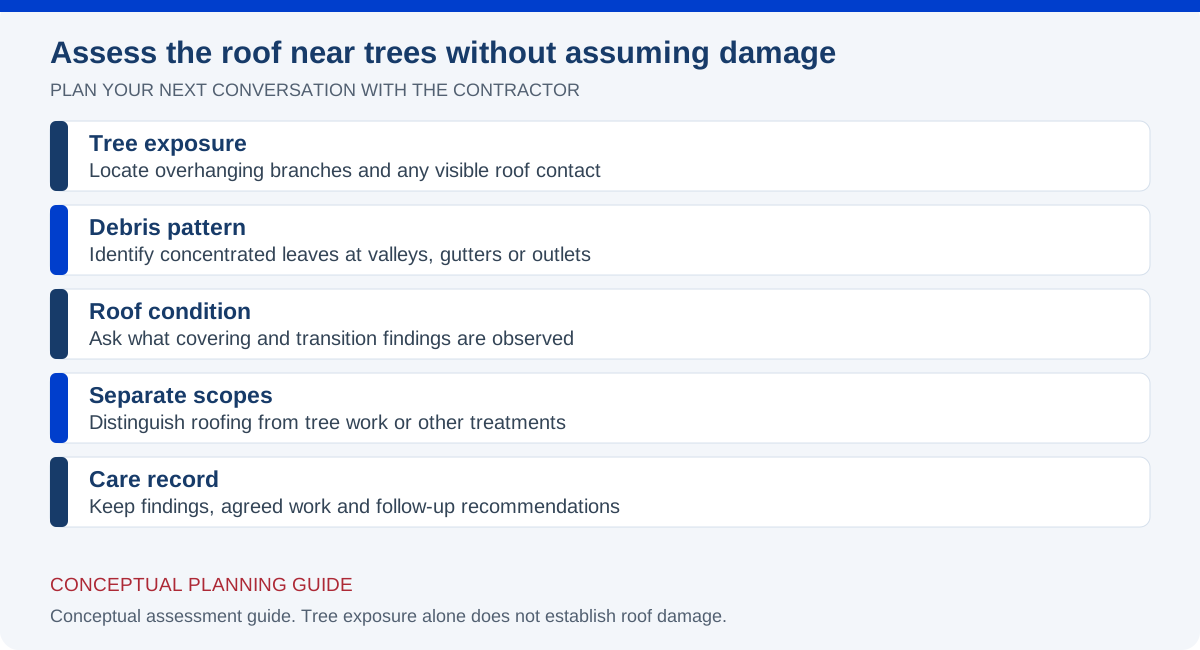
For a roof near overhanging trees, maintenance should review where debris collects, whether branches contact the roof, the condition of roofing details and the continuity of drainage. Tree exposure alone does not establish damage. A property-specific assessment should separate roof maintenance from any tree work or other services arranged separately.
Trees can be part of what makes a property appealing while also changing what collects on the roof. Two nearby homes may have different roof shapes, tree positions and drainage routes, so a useful maintenance plan begins with the actual building. The goal is to find the areas that need attention rather than assume that every shaded roof needs the same treatment.
Explore Banner Roofing’s roof maintenance service and Moraga roofing contractor guide. This guide focuses on planning an assessment near trees, with observations you can share safely from the ground.
Roof maintenance · Start with the actual exposure
Which roof areas need closer assessment near trees?
Start with the actual exposure
Identify where branches extend above the roof, where leaves tend to accumulate and whether the roof has valleys or adjoining walls that can collect debris. Note differences between roof sections rather than describing the whole roof as shaded. A contractor can use those observations to discuss the assessment, but the observations do not establish the condition of concealed components.
Also mention whether there has been recent branch movement, a known falling limb or a change in the surrounding trees. Separate an event from an assumption about damage. A roof review after a reported impact may involve different questions from routine maintenance beneath a stable canopy. Keep any safe ground-level photographs that show where the event or exposure occurred.
If a tree-related concern was noticed after separate landscaping work, include when that work occurred and which access route was used. Do not assume a connection between the two events, but preserve the sequence for the assessment. Likewise, tell the contractor if an area has not been visible from the ground because of dense branches. Knowing the observation limit is more useful than receiving an assurance that an unseen roof section looks fine.
Roof maintenance · Look for a condition, not a tree diagnosis
Why should branch contact be discussed?
Look for a condition, not a tree diagnosis
GAF’s maintenance guidance identifies roof abrasion from nearby branches as a concern worth addressing. If a branch appears to contact the roofing, share its location with the contractor and ask which roof components need assessment. Do not pull a branch away from the roof or climb up to inspect the contact area yourself.
Tree condition, pruning and removal require their own decisions and appropriate service providers. Ask how any separate tree work should be coordinated with the roofing review, especially if access or another event could affect the roof. This article does not represent tree trimming as a Banner service. The roofing scope should identify the surface condition and any recommended roof work.
Roof maintenance · Review the connected route
How can leaves affect gutters and roof drainage?
Review the connected route
Debris may concentrate at a roof valley, gutter section or outlet instead of spreading evenly across the building. Tell the contractor where you have seen water spilling and whether that pattern changes after leaves fall. A gutter that looks clear from one ground-level viewpoint does not establish the condition of its outlet or the connected downspout.
Ask the assessment to distinguish debris-related maintenance from a damaged gutter, connection problem or another drainage concern. Banner’s gutter repair information covers repair questions when a component is affected. Do not assume a larger gutter or a complete replacement is needed before the observed condition and route are understood.
| What you notice | Roofing question | Separate scope to clarify |
|---|---|---|
| Branch touching the roof | Is the covering or nearby detail affected? | Tree assessment or pruning |
| Leaves in one gutter area | What is the condition of the outlet and connection? | Maintenance versus component repair |
| A shaded patch | What is the actual surface condition? | Any treatment method and its suitability |
| Water spilling near a wall | Where is the runoff route interrupted? | Visible drainage versus other site work |
Roof maintenance · Have the surface assessed before choosing a method
Does a shaded roof automatically need cleaning or treatment?
Have the surface assessed before choosing a method
Shade is an exposure condition, not a service specification. The appearance of a roof can be influenced by debris, surface growth, weathering and the material itself. Describe what you see without labeling it from a distant photograph. Ask whether the observed condition affects performance, requires closer review or calls for maintenance compatible with the actual roofing product.
If a treatment or cleaning method is proposed, ask who provides it and how suitability will be confirmed. This guide does not establish roof cleaning, moss treatment or a particular chemical process as a Banner service. Avoid choosing an aggressive method simply because it changes appearance quickly. The proposed work should reflect the material, manufacturer guidance and the surrounding property.
Roof maintenance · Use a review to document present condition
Should I arrange maintenance even if the roof does not leak?
Use a review to document present condition
An absence of visible indoor water is useful information, but it does not describe every roof component. A maintenance assessment can document accessible conditions and identify whether a specific repair should be considered. Ask what is included, what areas can be reviewed and how findings will be presented rather than treating the word inspection as a promise of complete concealed access.
Share previous roof records and any areas that have needed repeated attention. For ongoing-care selection questions, the San Leandro roof maintenance guide provides a broader checklist. Apply it to your Moraga property’s actual roof material, exposure and history rather than copying a generic service interval from another home.
Roof maintenance · Keep findings distinct from approved work
What should the maintenance report and estimate separate?
Keep findings distinct from approved work
Ask for the observed area, the condition described and the recommended next step. A finding may call for routine attention, a defined repair, further assessment or coordination with another provider. Those are different decisions. A written explanation helps you prioritize and avoids treating every item mentioned during a visit as work you already authorized.
Clarify whether photographs, debris-related tasks, component repairs and follow-up are included in the proposal. If another provider is needed, identify the dependency without assuming Banner will arrange it. Keep the agreed scope and later records together so a future review can assess changes instead of starting again from a vague statement that the roof was serviced.
Roof maintenance · Share the exposure and the observed concern
How do I prepare a useful Moraga maintenance inquiry?
Share the exposure and the observed concern
Begin with the address and roof material if known. Describe overhanging branches, areas where debris collects and any history of overflow, contact or leaks. If the issue is seasonal preparation, read the roof and gutter rain-preparation checklist as supporting guidance, then identify the details that differ on your property.
Confirm Moraga service coverage and request a roof maintenance assessment or call 510.895.4433. Ask Banner to explain the available maintenance scope and which concerns need a separate repair or provider. A focused request makes the next discussion more useful than asking for every possible roof service at once.
Roof maintenance · Questions & Answers
Moraga Roof Maintenance Questions
Should I arrange roof maintenance if there is no leak?
You can discuss an assessment based on roof history, visible changes and exposure. The absence of a leak does not establish every component’s condition. Ask what the review includes and how its findings will help you decide whether maintenance or a repair is appropriate.
Does Banner trim branches above the roof?
Tree trimming is not represented here as a Banner service. Discuss the roof concern with Banner and arrange any tree assessment or work through an appropriate provider. Ask the participants how access and timing should be coordinated.
Does a shaded patch prove that my roof needs replacement?
No. Surface appearance alone does not establish the roofing system’s overall condition. Ask what the observed condition is, which components are affected and whether a maintenance task, repair or wider assessment is supported by the findings.
Should I ask for new gutters because leaves collect nearby?
Not automatically. Ask about the existing gutter, outlet and downspout condition first. Debris, an affected component and an unsuitable route are different concerns. A repair or replacement recommendation should explain which condition it addresses.
How do I find roof maintenance near me in Moraga?
Look for a clear assessment scope, useful condition records and recommendations tied to your roof. Share the material, earlier work and observed tree exposure with Banner so the conversation can focus on your property and the available service.
Related Roofing Guides
Moraga · Contractor Guide
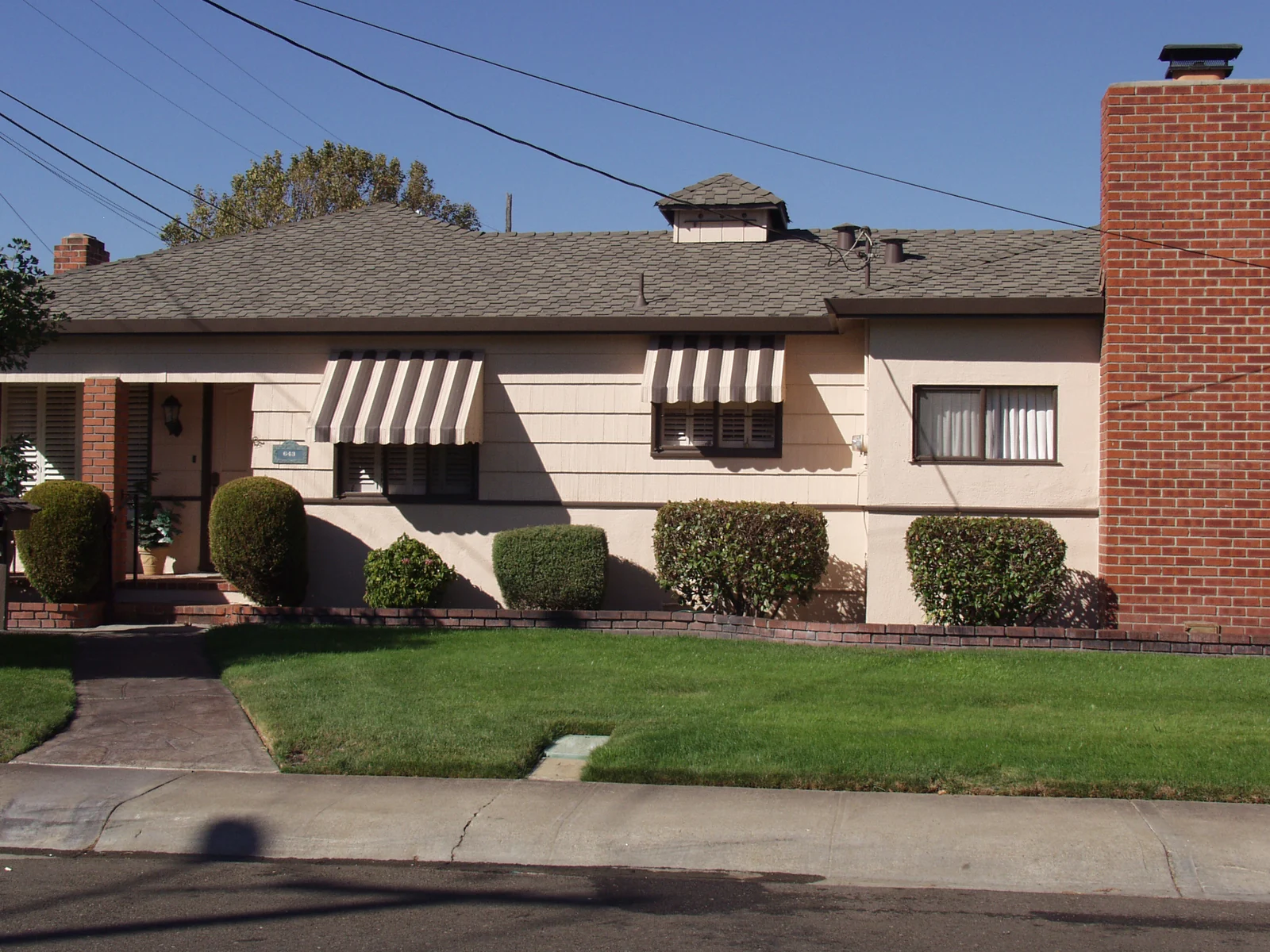
Moraga Roofing Contractor: How Do I Choose the Best Contractor for Tile Roofing?
Choosing a Moraga roofing contractor for tile roofing? Compare assessment methods, repair options, access planning and written estimates before choosing a roofer.
Read the guide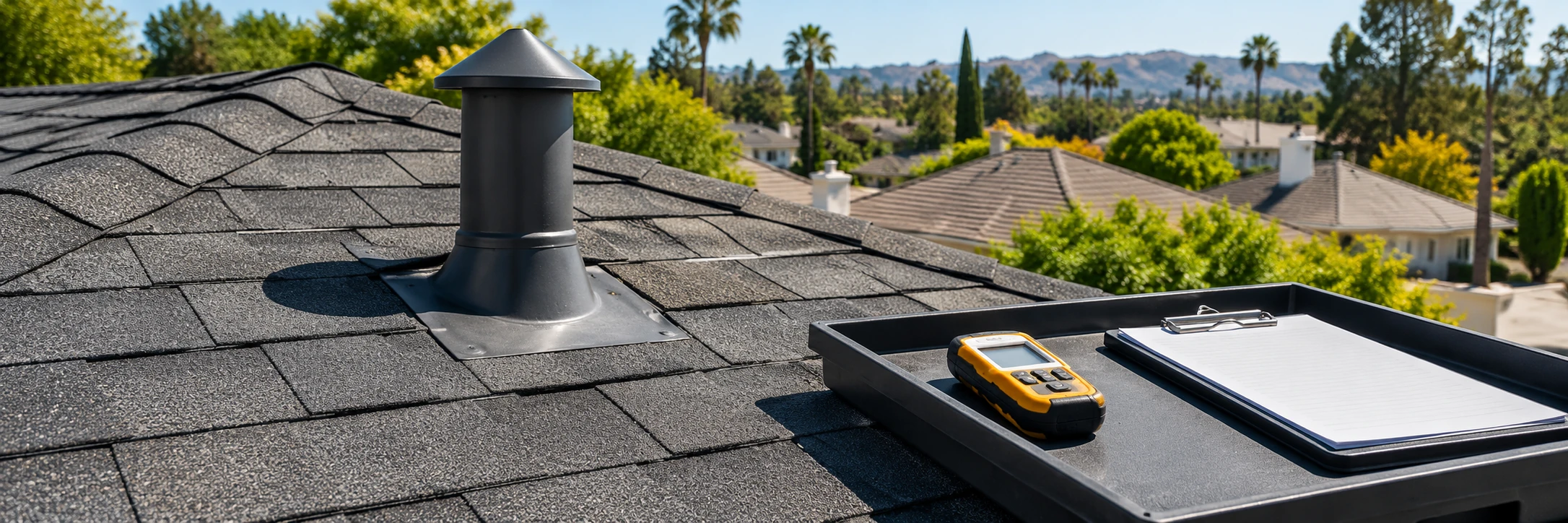
San Leandro · roof maintenance
San Leandro Roof Maintenance: How Do I Find the Best Roofer for Ongoing Care?
Build a useful roof-care record for your San Leandro home. Learn what maintenance visits should document and how to separate routine care from repairs.
Read the guide