
Roofing Tips · El Cerrito
Choosing a Contractor for a Planned Gutter System
A good installation proposal follows the runoff route
New gutters should be discussed as a planned system rather than a length of material attached to a roof edge. The layout, connections and relationship to the building matter alongside the visible profile and finish. A useful proposal explains how the new components fit your home and which parts of the existing system will remain.
For a homeowner searching for an El Cerrito roofing contractor, proximity can help identify businesses to contact, but it does not establish installation quality or project fit. Ask whether the contractor serves your address and can explain the work you actually need. Compare the written scope before deciding which recommendation offers the clearest solution.
Banner Roofing lists gutter installation among its East Bay services. This guide focuses on choosing a contractor and defining a new installation. If the concern is a localized defect in an otherwise retained system, discuss gutter repair separately rather than assuming every water problem calls for replacement.
Roofing Tips · Start with the existing condition
What Should the Contractor Understand About Your Home?
Describe why you are considering new gutters
Explain whether the current gutters are damaged, whether water escapes at particular locations or whether installation is part of other roof work. Describe what you have observed from safe ground-level positions and keep any earlier repair records available. That history helps distinguish a recurring symptom from a request to change the whole system.
If the recommendation is to install new gutters, ask what findings support that approach and what a smaller repair would leave unresolved. You do not need to prove that the old system has failed before requesting an assessment. You do need an explanation that connects the observed condition with the proposed scope.
Identify retained roof and drainage components
Tell the contractor whether the roofing, fascia or downspouts are being retained or reviewed under another proposal. Ask which existing components the new installation depends on and how additional concerns will be communicated. The scope should not leave the homeowner guessing where gutter work ends and roofing work begins.
If a roof replacement is also being discussed, coordinate the questions without combining every decision into one unclear price. Ask how the work sequences relate and which contractor is responsible for the interfaces between the scopes.
Roofing Tips · More than material length
How Should a New Gutter Layout Be Explained?
Ask for a description you can follow
The proposal should identify the roof edges included, relevant connections and which existing sections will be removed or retained. Ask how the layout relates to the home’s roof areas and where the downspouts connect. A homeowner should be able to understand the intended route without interpreting an unexplained drawing.
If different layouts are proposed, ask what each is intended to accomplish. A greater quantity of material is not automatically a better solution, and a shorter estimate is not automatically incomplete. The useful comparison is the relationship between the layout, the assessed condition and the stated work.
Make exclusions visible
Ask whether the proposal includes removal, disposal, preparation and work at attachment areas. Confirm whether repairs to adjacent building components are included or would require a separate decision. If the answer depends on what is found during work, ask how that condition will be documented and discussed.
Our gutter installer selection guide provides another framework for reviewing a new system. Use it to formulate questions for your El Cerrito property, while retaining the actual layout and findings as the basis for the decision.

Roofing Tips · Profiles, finishes and suitability
What Should You Compare About Gutter Materials?
Ask what is actually offered
Review the proposed material, profile and finish with the contractor. If aluminum gutters are being considered, confirm the available options instead of assuming that every style or fabrication method is offered. Ask how the material choice fits the planned system and any retained components.
Appearance belongs in the conversation, especially where gutters form a visible line along the home. Compare a description of the proposed finish with the technical scope so one does not substitute for the other. A preferred color does not establish that the installation details have been resolved.
Read the terms attached to the proposal
Ask what manufacturer information and proposed workmanship terms apply to the specific installation. Request the actual documents rather than relying on a broad warranty phrase. Find out which care instructions or follow-up responsibilities are relevant and keep that information with the completed project record.
Do not assume that a new gutter system removes the need to observe roof-edge drainage afterward. Discuss what ordinary care is recommended and what changes should prompt a call. The guidance should reflect the installed components and the assessed property, not a universal promise of maintenance-free performance.
Roofing Tips · Connect the whole route
How Do Downspouts and Discharge Affect Installation Planning?
Confirm new and retained downspout work
Ask whether the proposal includes downspout installation or connections to retained downspouts. Identify which locations and components are included. Where an existing section is damaged, ask whether downspout repair is a separate item or part of the stated installation scope.
If a new gutter ends at an unresolved connection, the visual completion of the roof edge may not answer your original concern. Request a clear description of the intended route beyond the gutter itself. Keep that discussion tied to the services actually offered and the work agreed for your home.
Do not guess at a discharge solution
Tell the contractor where runoff currently goes and any areas where you have observed water collecting. Ask which discharge questions are within the proposal and which require another property-specific review. A roofing estimate should not be assumed to include underground drainage or landscape work unless that scope has been confirmed.
Applicable property requirements and design decisions should be checked through the appropriate current official channels. Avoid using a general online example as permission for a particular discharge route. The contractor should explain what needs confirmation instead of treating every home’s drainage arrangement as interchangeable.
Roofing Tips · Separate related services
What Should You Clarify Before Comparing a Bundled Estimate?
Identify the gutter installation within the wider project
A proposal may combine roofing and gutter work for convenience. Ask the contractor to identify the gutter portion clearly enough that you understand its areas, materials and connections. A single total does not need to obscure the service boundaries. If you later decide to defer another part of the project, ask whether that affects the gutter plan or sequence. This is especially helpful when retained roof-edge components appear in one scope while new drainage components appear in another. The proposal should explain how those decisions fit together instead of leaving the homeowner to discover the dependencies after approval.
Keep a comparison note for unresolved items
Write down any item that is mentioned verbally but not yet defined in the proposal. Examples include a retained downspout connection, removal of an old section or work needed at an attachment area. Ask for clarification before assuming that the item belongs in the price. The note is not a substitute for the agreement; it is a way to make your questions visible. Once the answers are confirmed, keep the final scope and related terms together. A good installation decision leaves you able to describe what you are buying and why that work fits your home, without relying on a contractor’s marketing label or a broad near-me search result.
Roofing Tips · Compare the evidence and the communication
How Do You Decide Between Local Contractor Proposals?
Use the same questions for every estimate
Record the included roof edges, removal work, materials, attachment considerations, downspout connections and exclusions for each proposal. Ask about anything that appears in one estimate but not another. Comparing like with like helps distinguish a genuine scope difference from an assumption about what the price includes.
Read reviews for specific experiences with communication, scope changes and completion. Verify current business information through official resources and ask about relevant installation experience. A claim to be the best local roofer is less useful than a contractor who can explain the actual work and answer questions clearly.
Agree on a useful handover
Ask what documentation will be available after installation and how to raise a concern if the original water pattern remains. Retain the written scope, completion information and any care terms together. Our roof and gutter rain-preparation guide can help organize later observations from safe locations without asking you to climb onto the roof.
To request a free estimate for your El Cerrito home, explain why you are considering new gutters and whether roofing or downspout work is also planned. Confirm service to your address and ask what information will make the first assessment useful. A clear project description is the beginning of a comparable proposal.
Roofing Tips · Questions & Answers
El Cerrito Roofing Contractor Questions
How do I find the best roofing contractor near me for gutter installation in El Cerrito?
Confirm the contractor serves your address and offers the gutter work you need. Compare the planned layout, materials, connections and written exclusions. Verify current business information and read reviews for relevant project details. Choose based on a clear scope and communication rather than assuming the closest listing is the best installation match.
Should I choose gutter replacement when the current system overflows?
Overflow alone does not define the appropriate solution. Ask for an assessment of the existing components and connected drainage route. A repair may address a defined defect, while a new installation may involve a broader layout or condition concern. The recommendation should explain the difference and what each option leaves unresolved.
Does gutter installation include new downspouts?
Only where the proposal states that work is included. Ask which downspouts will be new, retained, moved or repaired and identify the connections involved. The scope should explain the planned runoff route, while any work beyond the confirmed services needs a separate discussion rather than an assumption.
How do I compare two gutter installation prices?
Start with the included roof edges, materials, removal, preparation, attachment areas, connections and cleanup. List exclusions and questions beside each total. Request clarification where one proposal names an item the other does not. A lower price is only meaningful when you understand what work it is intended to cover.
Can I select the gutter material before the assessment?
You can share preferences, but discuss suitability and the actual options with the contractor before treating a material choice as final. Ask how the proposed profile and finish fit the planned system and retained components. Confirm what is offered and request the specific product and installation scope in writing.
What should I watch for after new gutters are installed?
From a safe accessible location, note any return of the original overflow or leaking pattern during later rain. Keep the date and location with the project record and contact the contractor if concerns arise. Do not climb to inspect a wet roof edge or assume that every later symptom has the same cause.
Related Roofing Guides
East Bay · Roofing Decisions
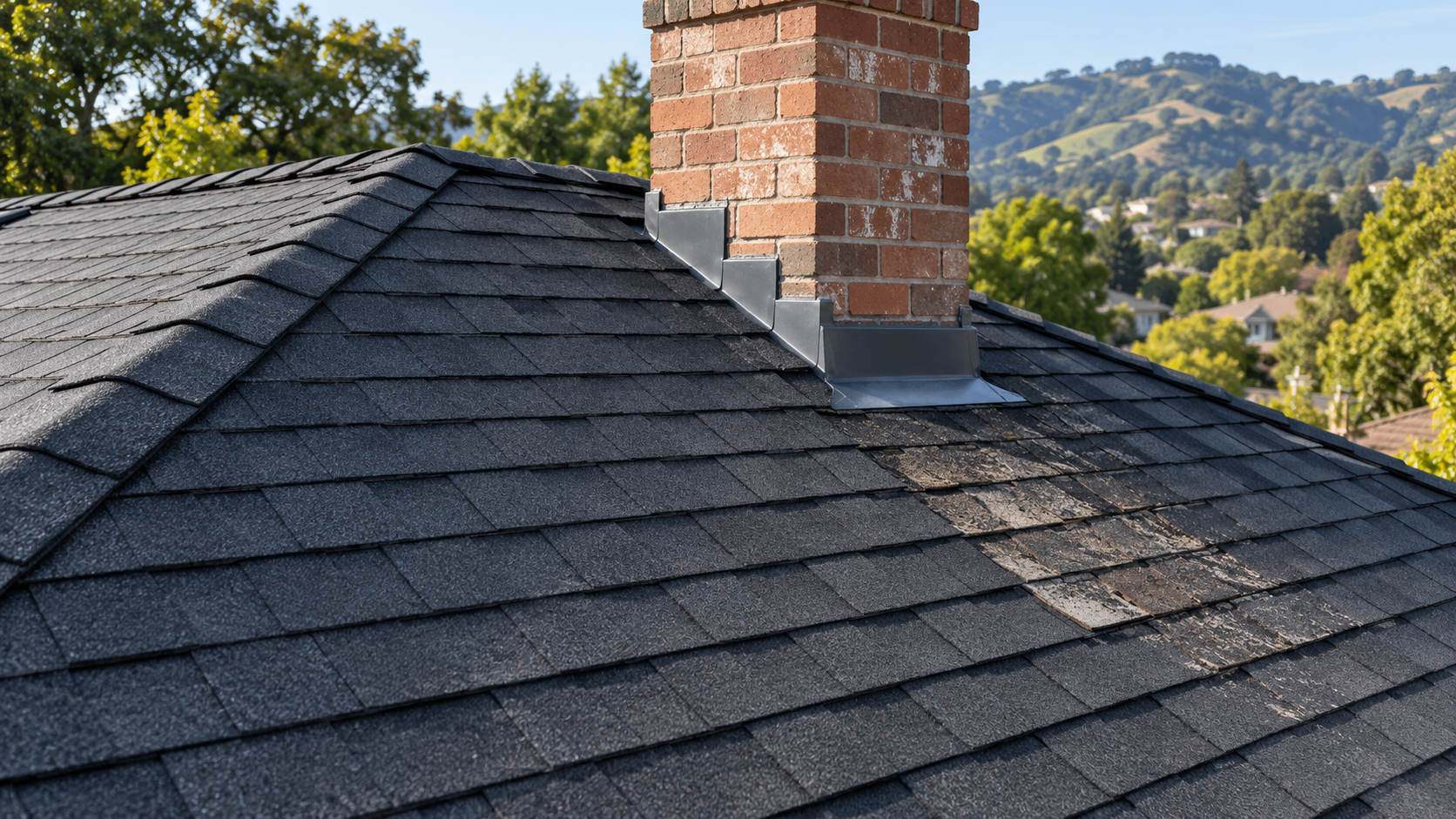
Should I Repair or Replace My Roof in the East Bay?
Compare roof repair and replacement in the East Bay. Learn which signs to discuss, what an assessment should cover and how to compare estimates.
Read the guide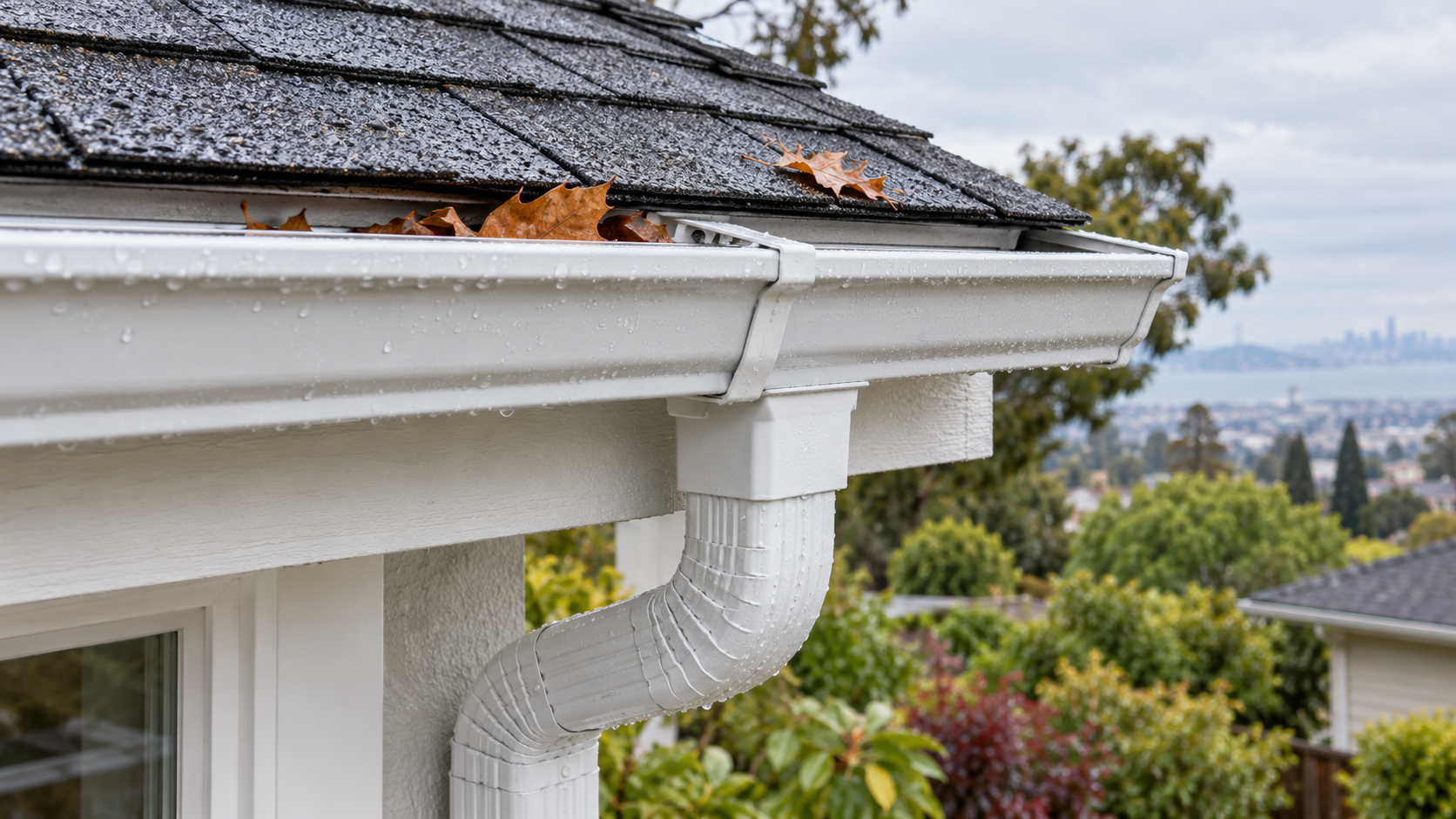
Oakland · Roof Maintenance
How Do I Prepare My Oakland Roof and Gutters for Rain?
Prepare your Oakland roof and gutters for rainy weather. Review visible warning signs, drainage concerns and questions to ask before scheduling maintenance.
Read the guide