
Roofing Tips · Hayward
Choosing a Roofer Who Explains the Gutter Problem
Start with where water leaves its intended path
Gutter trouble is often described with one word: overflowing. The actual concern may be a leaking seam, a loose section, a damaged connection or water appearing behind the gutter. Those observations do not all point to the same repair. A useful first conversation identifies where the water appears and what needs to be assessed before a method is chosen.
When comparing a Hayward roofing contractor for gutter work, look for a clear boundary between the roof, the gutter and the downspout. They form a connected runoff route, but each component can have its own condition and repair requirements. A proposal should explain which part of that route is being addressed.
Banner Roofing lists gutter repair, installation and downspout services within its East Bay coverage. This guide explains what to ask when the immediate concern is repairing an existing gutter system. If the recommendation changes to a new system, use the gutter installation page to keep that larger conversation separate.
Roofing Tips · Record the water pattern
What Should You Tell a Contractor About a Gutter Leak?
Describe the exact location from the ground
Note whether water spills over the front, appears at a joint, runs behind the gutter or escapes near a downspout. Explain whether the symptom occurs along one short section or several roof edges. If you can observe safely during rain from inside or a sheltered ground-level location, record what changes as the rain continues.
A photograph taken after the event may show staining or debris but not the path of moving water. Include the date and a plain description with the image. Do not position yourself under a loose component or climb a ladder during rain to get a closer view.
Mention previous work and changing symptoms
Tell the contractor about earlier gutter repairs, roof work or changes to downspout connections. An earlier repair may be relevant context, but timing alone does not prove that another trade caused the current issue. Ask for the condition to be assessed on its own evidence.
If you also see water indoors, mention that at the start. A gutter concern and a roof leak may occur together without sharing one cause. Roof leak detection may be appropriate when water entry remains uncertain, while the visible gutter problem receives its own assessment.
Roofing Tips · Define the repair area
Which Gutter Components Should the Scope Identify?
Separate joints, sections and attachments
Ask whether the proposed work concerns a seam, an end cap, a length of gutter, a bracket or another attachment. A proposal that simply says repair gutters makes it difficult to compare recommendations or confirm what was completed. Request a description that identifies the affected roof edge and components.
Ask what condition was found in the surrounding system. A localized repair can only be evaluated in context: what remains serviceable, what has not been assessed and whether another concern would remain after the proposed work. That explanation is more valuable than selecting a patching method from an online photograph.
Include the connection to the building
A loose gutter deserves a review of how it is supported, not merely how it looks from the street. Ask whether the proposed repair depends on the condition of the attachment area and how additional findings would be documented. Do not assume that covering a visible gap resolves the support problem behind it.
Where roof-edge components are involved, confirm whether roof repair is included or requires a separate recommendation. The contractor should explain the relationship without automatically turning every gutter defect into a whole-roof project.

Roofing Tips · Follow the runoff route
Why Should Downspouts Be Discussed With Gutter Repairs?
Ask what happens after water reaches the outlet
A gutter repair should make sense within the connected route to the downspout and discharge point. Describe loose elbows, leaking joints or sections that have separated from the building. Ask whether those conditions are included in the repair scope or need separate downspout repair work.
Our guide to leaking downspout connections explains how to discuss joints and attachments without assuming a particular repair method. The component questions are useful in Hayward too, while the assessment must reflect your property’s actual layout.
Keep discharge work within the confirmed scope
Tell the contractor where runoff appears to collect after leaving the downspout. Do not assume that a roofing or downspout proposal includes underground drainage, landscape changes or another building service. Ask where the stated work ends and whether a separate professional needs to assess the next part of the route.
If a different downspout location is proposed, request the reason and confirm that the appropriate property-specific requirements will be considered. Avoid choosing a discharge route because it looks convenient in a general diagram. The building and surrounding conditions determine what needs review.
Roofing Tips · Understand the alternatives
How Do You Compare Repair With New Gutter Installation?
Ask what the repair would leave in place
A repair proposal should say which parts of the current system will remain and which will change. A new installation proposal should define the broader layout and materials. Comparing only the totals can obscure those differences. Ask both contractors to explain the concern each option resolves and the issues it leaves for later.
For material context, review aluminum gutters. A material name alone does not establish that a new system is needed, that every component is included or that a particular fabrication method is offered. Confirm those details directly in the proposal.
Use a simple comparison record
Write down the assessed defect, work area, retained components, included connections, cleanup and exclusions for each proposal. Mark unknown items as questions. An unexplained difference deserves clarification before you decide that one estimate is better value.
For a separate installation perspective, see our homeowner guide to choosing a gutter installer. Keep the service distinction clear: selecting a new layout is a different task from defining a repair to an existing section.
Roofing Tips · The building connection
How Do You Handle Questions About the Gutter Attachment Area?
Distinguish visible gutter damage from support concerns
A repair conversation should identify whether the concern is confined to a gutter component or also involves the place where it attaches to the building. Ask the roofer to explain that distinction in plain language. If the assessment notes a concern behind a loose section, request a description of what has been observed and what remains concealed. A homeowner should not have to decide whether a damaged board or attachment point is sound based on a distant photograph. Let the assessment establish the condition and keep any resulting recommendation connected to the defined work area.
Confirm responsibility when another scope is needed
Ask who would perform any recommended adjacent work and whether it is included in the proposal you are evaluating. Do not assume that a roofing contractor’s gutter estimate covers every building component near the roof edge. Equally, do not assume that a separate recommendation makes the gutter work unnecessary. The two scopes may need coordination. Request a clear sequence and the contact responsible for questions between stages. Keep the findings, proposed boundaries and approvals in the same project record so you can confirm which issue each contractor is expected to address. This makes completion easier to review than a collection of vague promises to fix the edge.
Roofing Tips · Access and completion
What Arrangements Help a Hayward Gutter Repair Go Smoothly?
Explain access before the appointment
Give the property address and describe the affected side of the home, gates, nearby planting and any access restrictions. Tell the contractor if the concern is above an addition, garage or another roof area. Ask what arrangements are needed for assessment and work rather than assuming every edge can be reached in the same way.
Discuss scheduling and communication, including how weather or additional findings could change the plan. Confirm the contact method for questions and how approval of separate work would be handled. A clear arrangement reduces confusion when a visible symptom turns out to involve more than one component.
Check the completed work against the agreed scope
Ask what was repaired, which components were retained and whether any recommendations remain open. Keep the completion record with your roof history. Observe later rainfall from a safe place and note whether the original symptom changes, without attempting to test a roof-edge repair yourself.
The rainy-season roof and gutter checklist can help you organize those observations. To contact Banner Roofing about your Hayward home, describe the water pattern and ask for the appropriate roofing or drainage assessment. A useful next step begins with the actual concern rather than a guessed solution.
Roofing Tips · Questions & Answers
Hayward Roofing Contractor Questions
How do I find the best roofing contractor near me for gutter repairs in Hayward?
Confirm that the contractor serves your address and handles the relevant gutter components. Compare a written description of the defect, repair area, included connections and exclusions. Read reviews for communication and project details, then verify current credentials through official resources. The best fit explains the proposed work without relying on a broad claim of being number one.
Do overflowing gutters always need replacement?
No. Overflow is an observation that needs assessment, not a replacement diagnosis. The concern may involve debris, damaged components, alignment or a connected downspout issue. Ask what was found and why the proposed repair or new installation fits the surrounding condition. Make sure each recommendation defines what remains in place.
Can a roofer repair gutters without replacing the roof?
The scopes may be separate when the assessed conditions allow it. Ask whether the gutter concern involves roof-edge components or support areas that also need work. A written proposal should identify any related roofing repairs rather than automatically including a roof replacement or assuming the gutter can be treated independently.
Should I clean the gutter before requesting an assessment?
Describe the concern first and ask what information the contractor needs. Do not climb to a damaged or wet roof edge to prepare for a visit. Safely observed photographs and a short history are useful. If cleaning or other care is recommended, confirm whether it is included in the available scope.
Does a gutter estimate include downspout repairs?
Only if those components are stated in the proposal. Tell the contractor about leaking connections, loose sections and discharge concerns before the estimate is prepared. Ask which items belong to gutter repair, which belong to downspout work and whether any problem lies outside the confirmed service scope.
What should I do if water still spills after the repair?
Record where the water appears, when it happens and whether it matches the original symptom. Contact the contractor with the agreed scope and completion details. Do not assume every later overflow proves the same defect remains. The follow-up should compare the new observations with what was assessed and repaired.
Related Roofing Guides
East Bay · Roofing Decisions
Should I Repair or Replace My Roof in the East Bay?
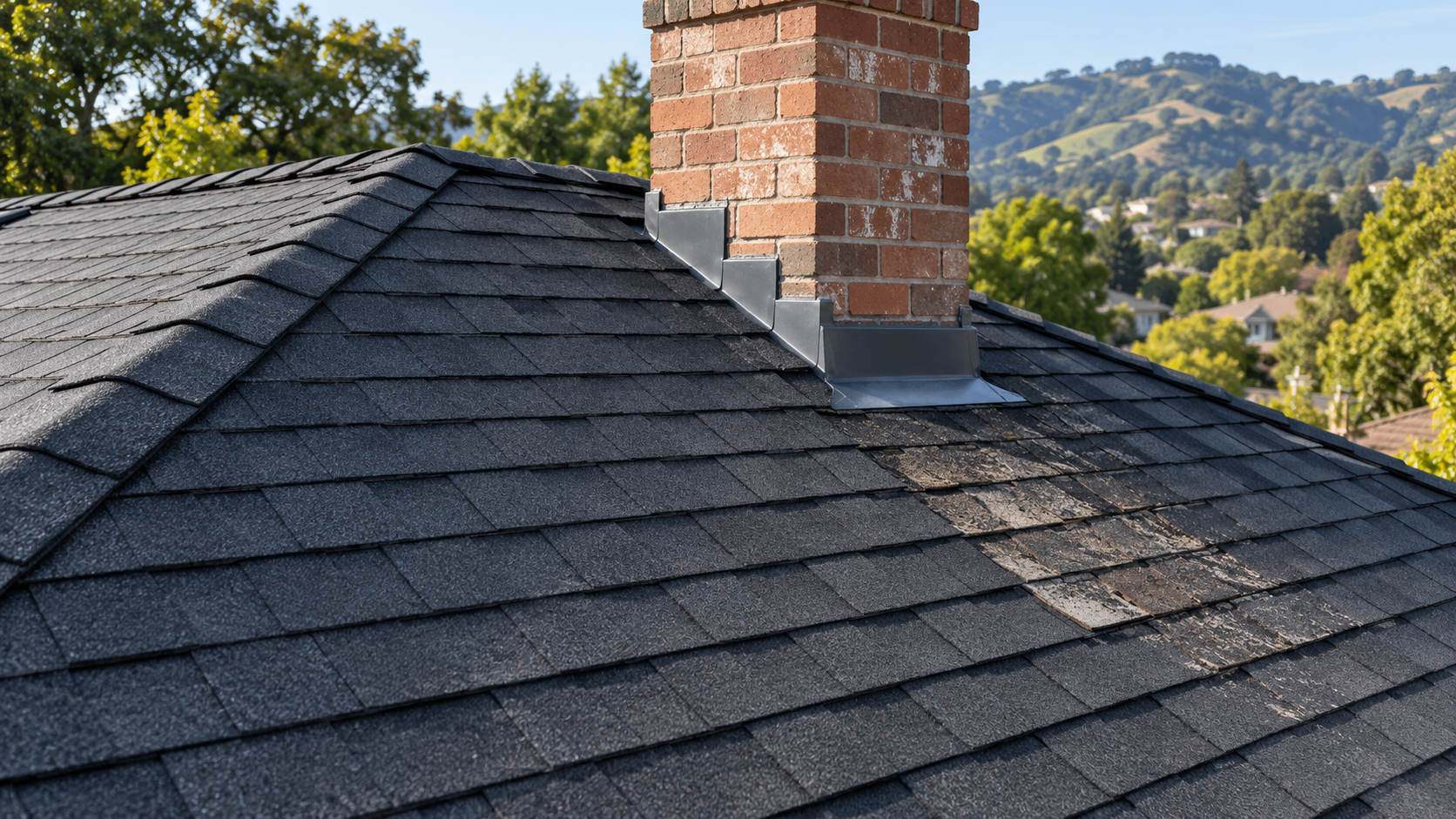
Compare roof repair and replacement in the East Bay. Learn which signs to discuss, what an assessment should cover and how to compare estimates.
Read the guide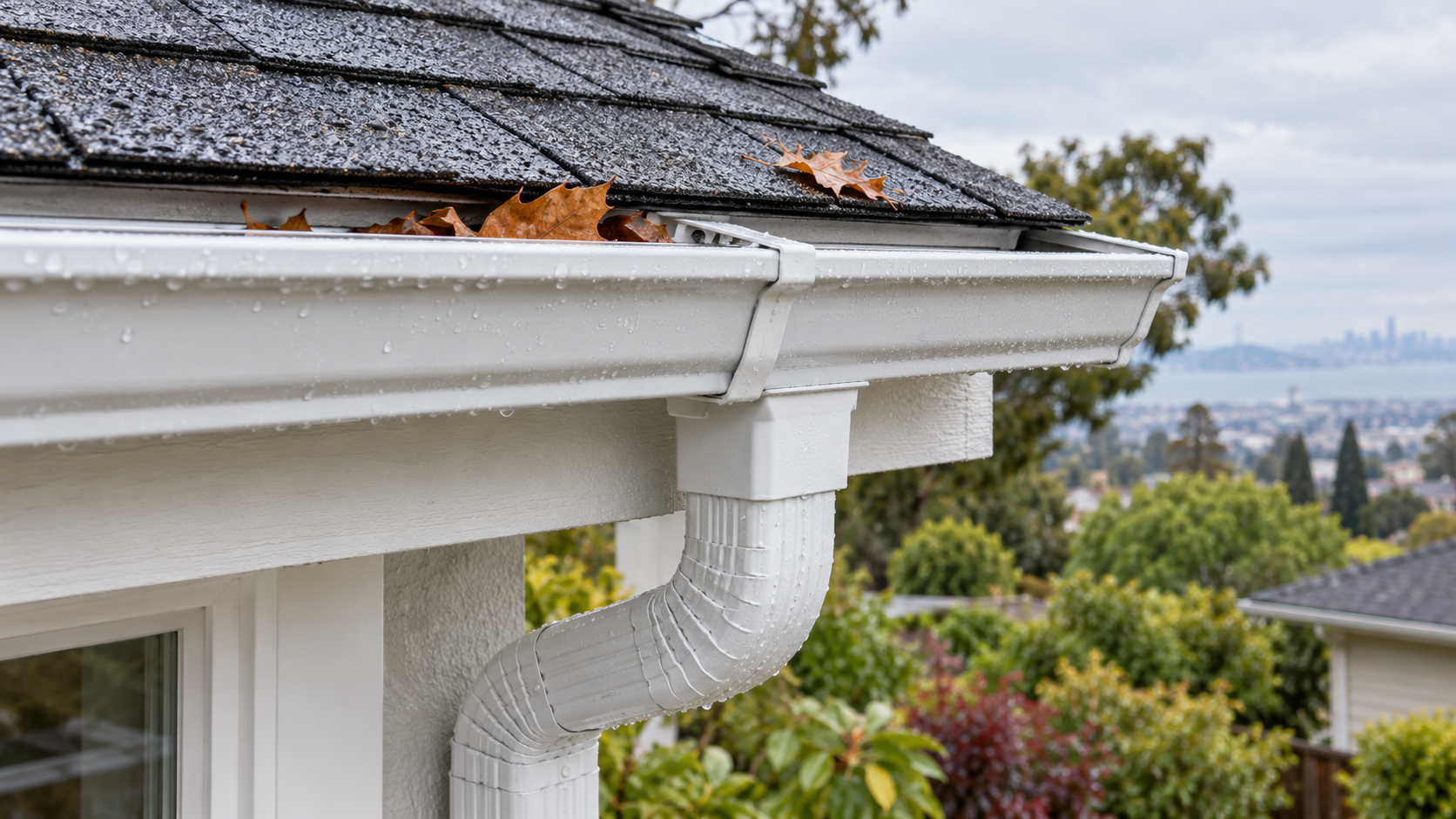
Oakland · Roof Maintenance
How Do I Prepare My Oakland Roof and Gutters for Rain?
Prepare your Oakland roof and gutters for rainy weather. Review visible warning signs, drainage concerns and questions to ask before scheduling maintenance.
Read the guide