
Residential Roofing · Oakland
An Oakland Roof Leak Needs an Explanation Before It Needs a Patch
The stain shows where water becomes visible, not necessarily where it enters
An indoor ceiling stain is a useful observation, but it is not a map of the repair location. Water can move along roof or building components before appearing in a room. The best roofer for your Oakland leak assessment should connect the history of the symptom with findings at the roof and explain what remains uncertain.
This guide focuses on preparing for a defined roof repair discussion. For the broader contractor-selection process, use the Oakland roofing contractor guide. If you are still weighing a larger project, the existing repair-versus-replacement guide explains why one leak alone cannot settle that decision.
Residential Roofing · Your observations
What Leak Information Helps a Roofer Before the Visit?
Record a simple sequence of events
Note the room and approximate position where water appears, when you first noticed it and whether it has returned. Describe the circumstances in plain language: the middle of a rain, after the rain has continued for some time or during particular wind conditions. The timing can help organize the investigation without proving a cause.
Add dates of previous repairs and any other recent work near the roof. Include what changed after each visit. A symptom that stopped and later returned is different information from one that never changed. Keep the description factual rather than assigning responsibility based only on timing.
Provide photographs with context
Take photographs from safe interior or ground-level positions. Include an overview that shows the location as well as a close-up of the visible symptom. A close view of a stain without the room or date can be difficult to interpret later. Do not climb onto a wet roof or remove roofing material to document a concern.
Residential Roofing · Diagnosis
How Should a Contractor Explain the Roof Assessment?
Ask which findings identify the entry point
If the source is uncertain, ask whether the next step is roof leak detection rather than selecting a patch location immediately. The explanation should identify relevant roof details and connect them with your observations. A contractor may need to distinguish a confirmed finding from an area that still requires review.
Ask what the assessment includes and what access is needed. Do not assume that a short visit includes every roof slope, attic area or concealed component. A clear statement of the review area makes the recommendation easier to understand and helps you recognize when another evaluation is proposed.
Understand why uncertainty may remain
Some conditions are concealed until work begins, and some symptoms are intermittent. Ask which uncertainties affect the recommendation and what would resolve them. A useful assessment does not need to promise certainty before evidence exists, but it should explain why the proposed next step is reasonable for the specific problem.

Residential Roofing · Components
Which Roofing Details Belong in a Repair Discussion?
Consider the transitions as well as the covering
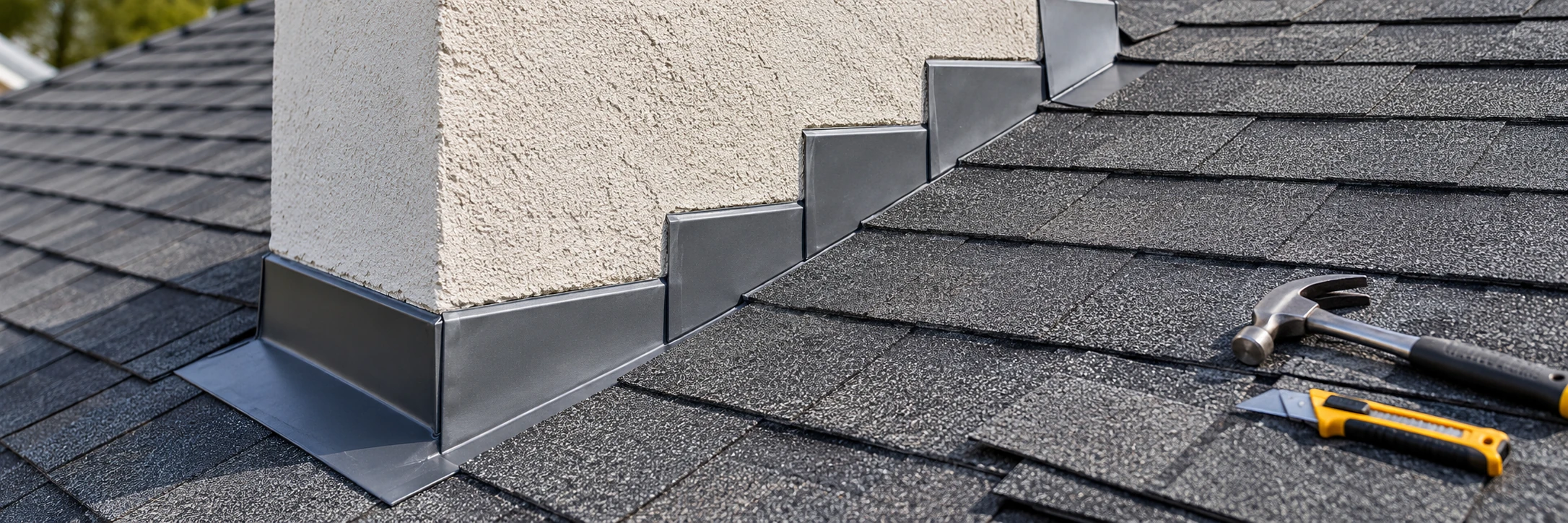
The review may involve flashing at walls or penetrations, roof edges and the condition of the covering around the affected area. Ask which of those details are relevant to the findings. A proposal describing only a patch should still explain its location and material suitability. Similar-looking roof surfaces do not mean that every repair product is appropriate.
For damaged shingles, ask how the surrounding shingle roofing condition affects the repair. For tile areas, distinguish visible tile damage from relevant details underneath. The proposed method should reflect the actual roof rather than a general online remedy.
Describe drainage symptoms without combining causes
If gutters overflow or a downspout is disconnected, describe that separately. Discuss gutter repair or downspout repair when those components need attention. Water outside the gutter and water at an indoor ceiling may need different work even when they occur during the same rain.
Residential Roofing · Comparing work
What Should the Written Roof Repair Scope Include?
Identify the area, method and limits
Look for the repair location, affected components, proposed materials, preparation and cleanup. Ask what the work is intended to resolve and which concerns remain outside the scope. If surrounding components will be retained, request the reason. This makes a repair estimate more useful than a general statement that the leak will be fixed.
Ask how additional findings will be documented and discussed. If the work reveals a different condition, clarify how a revised recommendation and any cost changes will be communicated before the scope expands. Keep the approved change with the original estimate.
Compare explanations before comparing totals
Two prices may describe different repair areas or methods. Ask each contractor to explain the evidence supporting the work and the work that is excluded. The best proposal for your situation is the one whose scope you understand and whose qualifications you can check, not automatically the lowest or most extensive estimate.
Residential Roofing · Contact and follow-up
How Should an Oakland Homeowner Arrange the Next Step?
Give the office practical property information
When you request a Banner Roofing estimate, provide the Oakland property location, the leak history and safe photographs. Say whether water is currently entering and ask about available next steps. Confirm any appointment directly rather than assuming that submitting a form guarantees a visit or emergency response.
Explain access arrangements, gates, household schedules and who can authorize the work. If the property has tenants or shared access, identify the appropriate contact. These details help the visit address the right area and avoid confusion about who receives the findings.
Keep a record after the work
Save the scope, repair date and photographs supplied by the contractor. Observe the previously affected area from safe accessible locations during later rain and note changes. Use the Oakland rain-preparation checklist to organize safe roof-edge observations, while asking the contractor what follow-up applies specifically to the completed repair.
Keep the leak history understandable between visits
If the assessment and repair occur on different dates, keep adding observations to the same record. Note whether the symptom changed, stopped or appeared in another room. Send new information to the contractor rather than assuming the first photograph still describes the current condition. If temporary work was performed, record its date and location and explain what you were told it was intended to accomplish. A temporary measure and a final repair can have different objectives. Keeping those descriptions separate helps the next visit begin with a clear account of what happened.
After the repair, compare later observations with the original record instead of judging the outcome from the roof’s appearance alone. Ask the contractor which follow-up information is useful and how to report a returning symptom. Include the room, timing and safe photographs, and keep the description neutral until the cause is reviewed. Water appearing again can warrant another assessment without proving that the same component is responsible. A specific record makes that review more useful than saying only that the roof is leaking again.
Residential Roofing · Questions & Answers
Oakland Roofing Questions
How do I find the best roofer near me for an Oakland roof leak?
Confirm Oakland coverage and verify the contractor’s business and license information. Ask how the assessment will connect your leak history with roof findings. Compare written repair scopes, relevant experience and the process for handling additional findings instead of relying on a best-roofer claim.
Is the roof leak directly above the ceiling stain?
Not necessarily. Water may move along building components before appearing indoors. Record the stain location and when water appears, then let the assessment determine which roof details are relevant. The stain is evidence to share, not a precise repair location.
Does a recurring leak mean the whole roof needs replacement?
A recurring symptom deserves investigation, but it does not by itself establish the scope. Ask whether the findings indicate an isolated issue, a different source or a wider condition. A replacement recommendation should explain the broader evidence rather than rely only on recurrence.
Should I approve a patch before the source is clear?
Ask what evidence supports the proposed patch and what uncertainty remains. If further investigation is recommended, request an explanation of how it will define the repair. The scope should follow the findings rather than use a convenient patch location as a substitute for diagnosis.
What if water returns after a repair?
Contact the contractor with the repair date, scope and a description of the new or recurring symptom. Include safe photographs and the timing of the rain. Follow the written terms and instructions provided, while allowing the next assessment to determine how the current condition relates to the completed work.
Will gutter repairs stop an indoor roof leak?
Only an assessment can determine whether the drainage concern relates to the indoor symptom. Gutters and roofing can have separate defects. Ask which work addresses each finding and do not assume that resolving visible overflow proves every water-entry concern has been corrected.
Related Roofing Guides
East Bay · Roofing Decisions
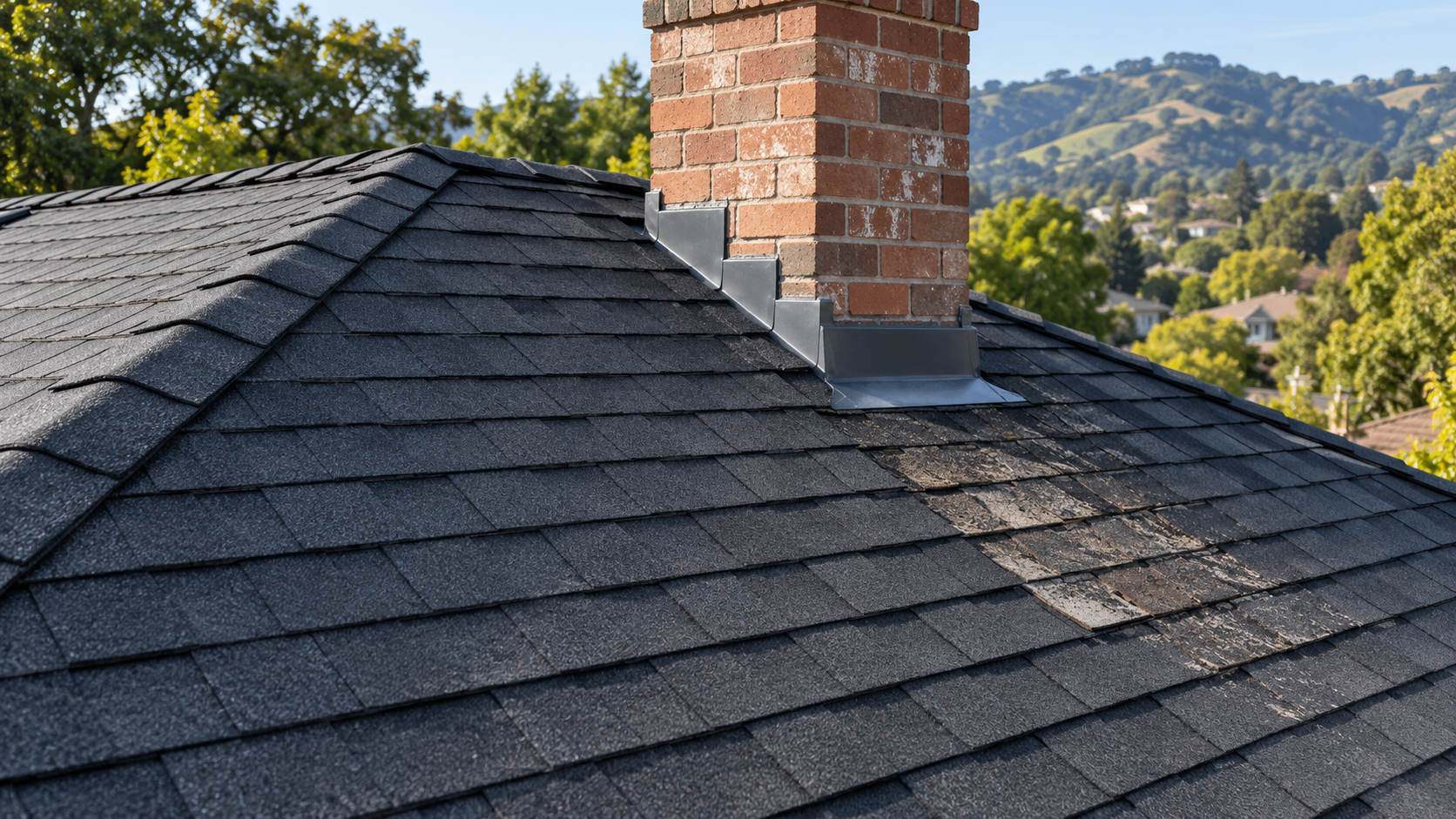
Should I Repair or Replace My Roof in the East Bay?
Compare roof repair and replacement in the East Bay. Learn which signs to discuss, what an assessment should cover and how to compare estimates.
Read the guide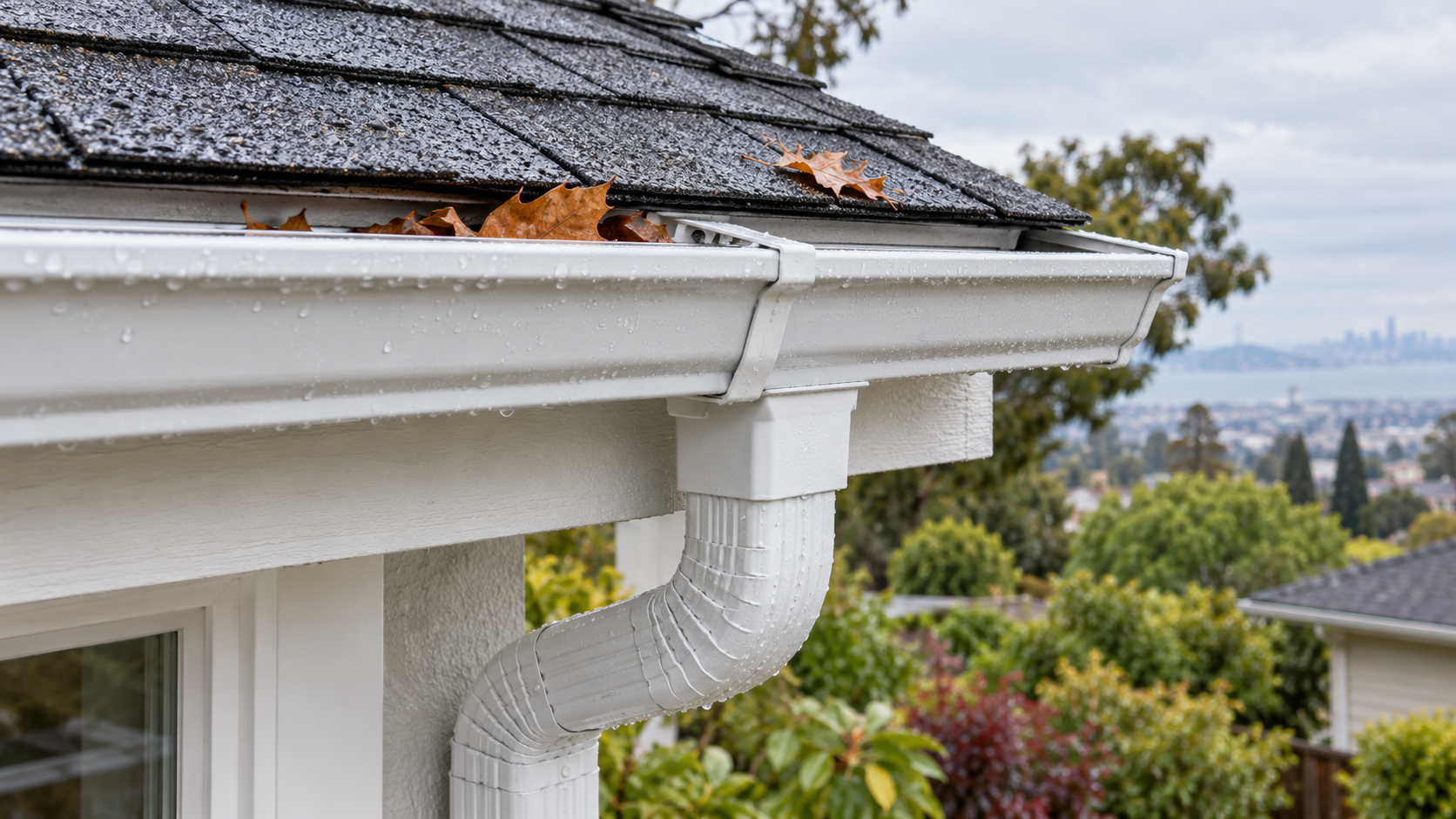
Oakland · Roof Maintenance
How Do I Prepare My Oakland Roof and Gutters for Rain?
Prepare your Oakland roof and gutters for rainy weather. Review visible warning signs, drainage concerns and questions to ask before scheduling maintenance.
Read the guide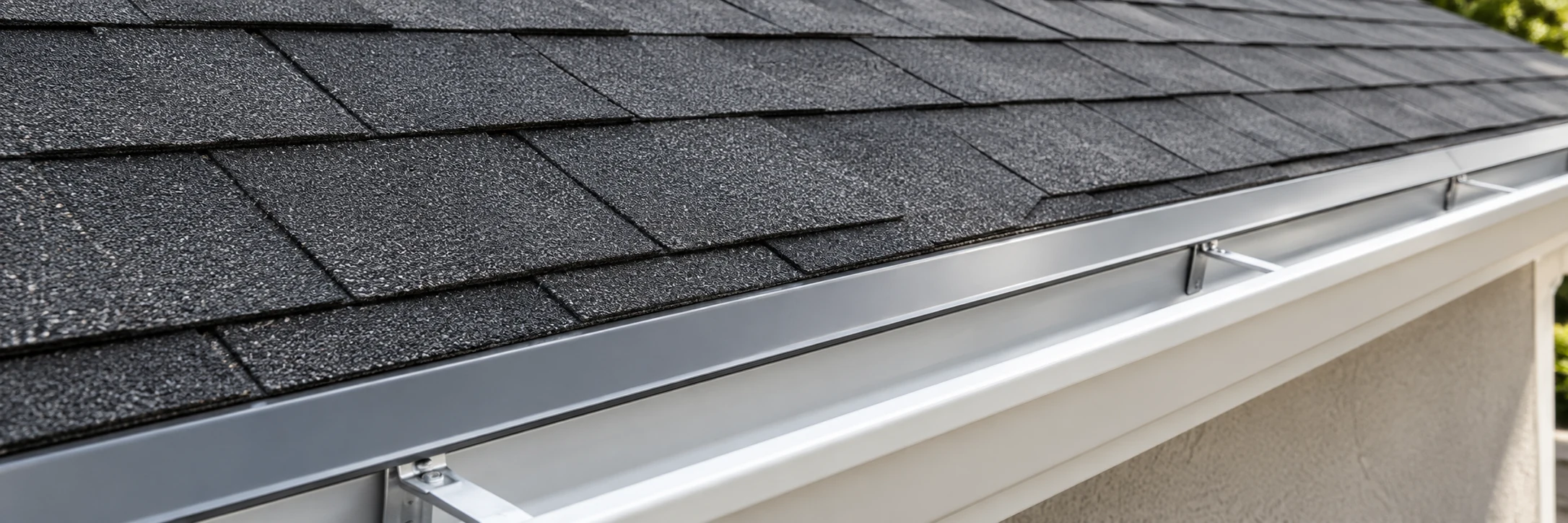
Oakland · Contractor Guide
Oakland Roofing Contractor: How Do I Choose the Best Contractor for Roof Repairs and Gutter Work?
Choosing an Oakland roofing contractor? Compare repair findings, gutter scope, written estimates and local service coverage before choosing a roofer for your home.
Read the guide