
Residential Roofing Advice · Orinda
An Orinda Roof Replacement Needs a Clear Project Plan
Compare the work before choosing a contractor
A roof replacement proposal combines several decisions: what needs to come off, what will remain, which new materials are proposed and how the work will be carried out around your home. Choosing the right contractor begins with understanding those decisions. A polished estimate or a confident recommendation is not enough if the work area, exclusions and process remain unclear.
If you are searching for an Orinda roofing contractor, begin by describing the roof you have and why you are considering roof replacement. Banner includes Orinda in its East Bay coverage. Confirm the property address, roofing system and available scope when arranging a conversation. A city service area is not the same as a separate office location.
This guide helps homeowners evaluate the contractor and the project together. It focuses on the questions that shape a replacement estimate, the practical arrangements that affect work at the property and the records that should remain useful after the new roof is installed.
Residential Roofing Advice · Replacement decision
What Evidence Should Support Roof Replacement?
Ask for the condition to be explained
Ask which areas are deteriorating and why the contractor considers replacement more practical than a limited repair. The explanation should connect the recommendation with observed conditions such as the extent of affected materials, earlier repairs or recurring problems. Roof age is useful history, but it should not be the only explanation for a substantial project.
Request a distinction between visible findings and concealed conditions. Some parts of a roof may not be fully understood until existing material is removed. Ask what can be established during the initial assessment and how any later findings would be recorded. This gives you a more realistic picture than a proposal that appears to promise certainty about every hidden component.
Keep repair alternatives in the conversation
Ask whether a defined roof repair is practical and what concerns it would leave unresolved. The answer may support replacement, but the reasoning should be specific. A comparison is most useful when both options address the same problem and explain their limitations.
The existing repair-versus-replacement guide provides a separate decision framework. Use it to organize questions, then return to the Orinda estimate with the findings for your own property. Avoid choosing a contractor simply because one recommendation sounds more extensive or reassuring than another.
Residential Roofing Advice · Roof system selection
How Should Materials Be Compared for Your Home?
Compare a complete proposed system
Ask the contractor to identify the roof covering and the related components included in the proposal. Underlayment, flashings, roof-edge details and ventilation considerations should be discussed where relevant to the project. A material brand or color alone does not describe the complete work. Ask which existing components will be retained and why that is appropriate.
For a shingle roof or tile roofing system, ask how the proposed work relates to the existing construction and roof geometry. Do not assume that a different covering can be substituted without assessing the property. Discuss the actual system, installation requirements and any other review needed for the proposed change.
Understand appearance and written terms
Review available color and profile choices using the materials actually offered for your project. Ask how samples relate to the appearance of a full roof and whether visible transitions or retained components may affect the finished result. If appearance is an important part of the decision, resolve those questions before ordering rather than after work begins.
Request actual proposed warranty documents and ask what conditions, exclusions or maintenance responsibilities they contain. Separate a manufacturer’s material terms from any workmanship terms offered by the contractor. Avoid treating a product name or a general advertising phrase as proof of a particular level of coverage.
Residential Roofing Advice · Property planning
What Site Arrangements Should an Orinda Estimate Address?
Discuss access before the schedule is fixed
Explain how vehicles reach the house, where materials could be delivered and which areas must remain accessible. A driveway, garage entrance, side passage or landscaped area may affect the practical sequence. Ask where equipment, materials and removed roofing would be placed and how access will be coordinated during the work.
Provide information about pets, working from home, deliveries and any household routines that could conflict with the project. Ask which parts of the process are likely to be noisy or disruptive. The contractor should explain the arrangements for the proposed work rather than promise that every household can continue exactly as normal.
Define protection and daily communication
Discuss how the work area, landscaping and accessible outdoor belongings will be handled. Ask which items you should move before the start and how debris will be controlled and removed. A practical plan identifies responsibilities instead of leaving both parties to assume that the other has addressed them.
Ask who will be your project contact and how questions, changing conditions or weather-related adjustments will be communicated. Put important instructions into the project record. A clear communication arrangement is especially valuable when you are comparing contractors whose written descriptions otherwise appear similar.
Residential Roofing Advice · Estimate comparison
What Belongs in the Written Replacement Scope?
Make the work boundaries visible
Look for the roof areas included, removal and preparation, proposed materials, treatment of relevant transitions, disposal and cleanup. Ask whether associated work is included, excluded or subject to further assessment. The scope should be clear enough that you can tell when two contractors are proposing different projects.
If roof-edge drainage needs attention, discuss gutter installation or gutter repair as its own defined scope. Replacing a roof does not automatically mean every gutter or downspout needs replacement. Ask how retained drainage components will connect with the proposed roofing work.
Plan for concealed findings
Ask how damaged decking or another concealed concern would be documented if found after removal begins. Clarify how additional work would be priced, discussed and approved. An allowance or qualification is more useful when you understand the condition it addresses and how the final decision will be made.
Review exclusions before comparing the total. A shorter estimate may omit work that another contractor includes. Request written clarification where the proposals differ, then compare them using the same categories. This approach keeps price connected to the work rather than allowing a single number to dominate the decision.
Residential Roofing Advice · Hiring decision
How Do You Evaluate the Contractor Behind the Proposal?
Verify identity and relevant experience
Check the business identity and credentials through appropriate official resources, including the California Contractors State License Board. Make sure the business named in the written agreement is the business you intend to hire. Ask relevant questions about the kind of replacement being proposed instead of relying solely on a broad claim of experience.
Read reviews for descriptions of communication, scope changes and treatment of the property. If references or project photographs are offered, ask which parts of the work they demonstrate. Treat them as evidence to evaluate rather than assuming that an attractive photograph establishes how your project will be managed.
Choose the best fit rather than the strongest slogan
Your best contractor is the one whose proposal addresses the roof condition, explains the process and aligns with your priorities. Those priorities may include understanding material choices, managing household disruption or documenting an uncertain roof history. Put the most important questions in writing so each contractor has the opportunity to answer them clearly.
Our roof replacement estimate guide goes deeper into comparing the work itself. Its checklist can help you evaluate an Orinda proposal without treating another property’s roof as a model that must apply to your own home.
Residential Roofing Advice · Project records
What Should Happen Before and After the Work?
Confirm the agreed starting point
Before the project begins, confirm the scope, material selections, access arrangements and contact person. Ask how any required local review or inspection will be coordinated and verify current requirements with the responsible authority. Do not assume that the process described for another city or another type of project applies unchanged to your property.
Keep the final agreement and any approved changes together. If a question remains unresolved, ask for clarification before that part of the work proceeds. A clear starting record helps both homeowner and contractor work from the same expectations when the roof is opened and materials are being installed.
Keep the completion record usable
At completion, retain the final scope, relevant photographs, product information, written terms and any care instructions. Ask what was changed from the initial plan and how those changes appear in the final documentation. This record becomes useful when you arrange maintenance or discuss later work near the roof.
Request a conversation with Banner Roofing about your Orinda roof with your address, current roof information and the reason you are considering replacement. Ask for the next assessment step and a scope suited to your property. That is a more productive beginning than trying to select a new roof from a general price range alone.
Residential Roofing Advice · Questions & Answers
Orinda Homeowner Questions
How do I find the best roofing contractor near me in Orinda?
Confirm service at your address and ask about the replacement system you are considering. Compare verified credentials, relevant experience, written scope and project communication. Ask each contractor to explain the evidence for replacement. Best is a project-fit judgment rather than a claim that an online list or search position can establish.
Does an old roof always need replacement?
Age is useful background, but the condition and pattern of problems matter. Ask which findings support the recommendation and whether a limited repair is practical. The contractor should explain what each option addresses and what it would leave outside the scope rather than relying only on a general age rule.
Should new gutters be included with replacement roofing?
Discuss the existing gutter condition separately. Some components may remain serviceable while others need defined repairs or replacement. Ask how roofing and drainage work will connect, who is responsible for each task and whether the gutter work appears in the written price or a separate proposal.
Can a replacement estimate identify every hidden problem?
Some concealed conditions may remain uncertain until existing roofing is removed. Ask how additional findings would be photographed, communicated and approved. The estimate should explain the approach to those uncertainties so that a later change does not arrive without a clear reason or record.
What roof replacement information should I give Banner?
Provide your address, the roof material if known, its approximate age, earlier repair history and current symptoms. Mention access concerns and your priorities for the project. Photos taken safely from the ground are helpful, but you do not need to climb onto the roof or decide the correct material before asking for an assessment.
Does a contractor guide mean Banner has an Orinda office?
No. Orinda is listed as a service community. Banner’s website gives a San Leandro office address. Confirm service for your property when you contact the company, and evaluate the actual project scope rather than inferring a local office from a city-focused educational article.
Related Roofing Guides
East Bay · Roofing Decisions
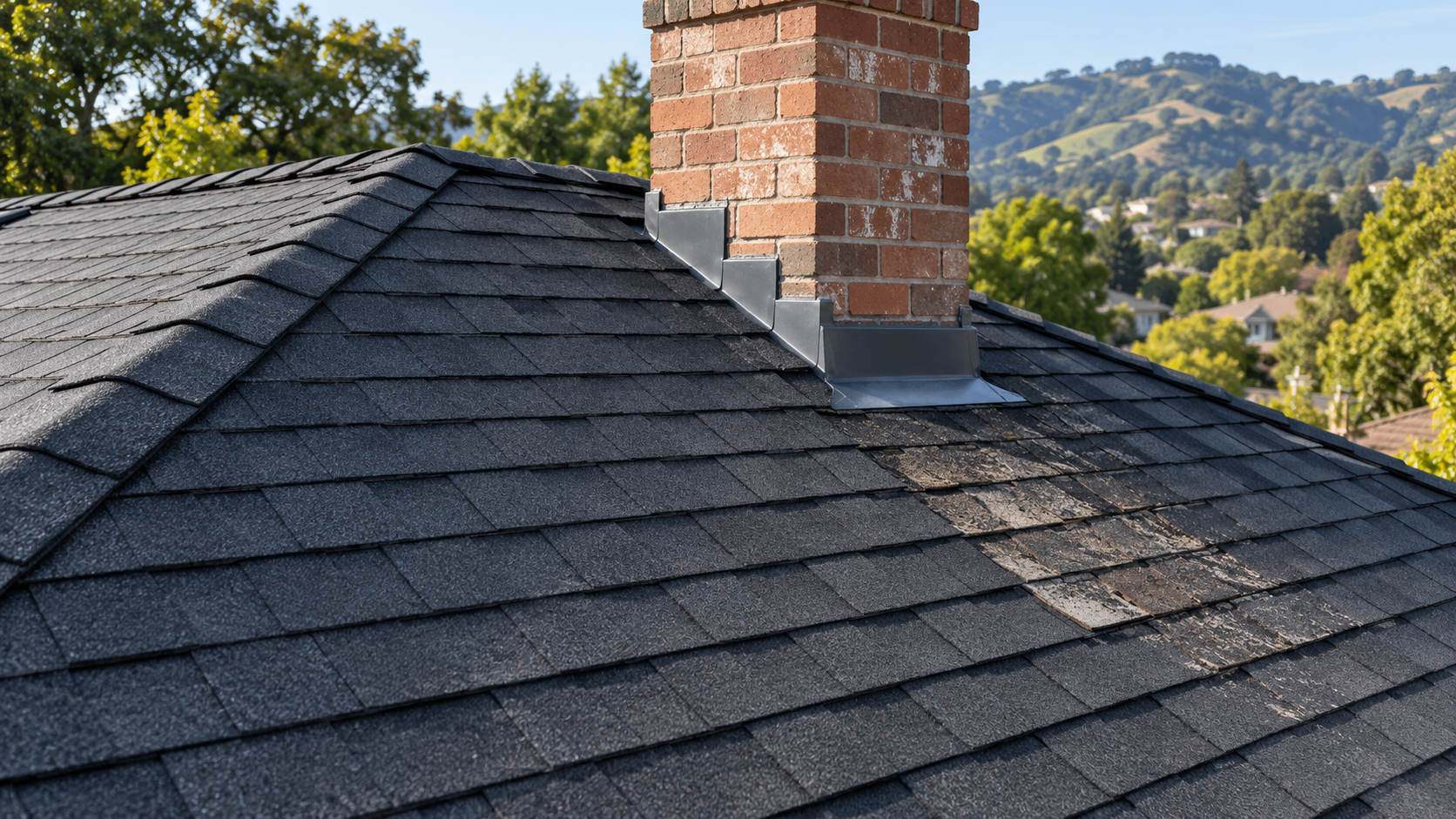
Should I Repair or Replace My Roof in the East Bay?
Compare roof repair and replacement in the East Bay. Learn which signs to discuss, what an assessment should cover and how to compare estimates.
Read the guide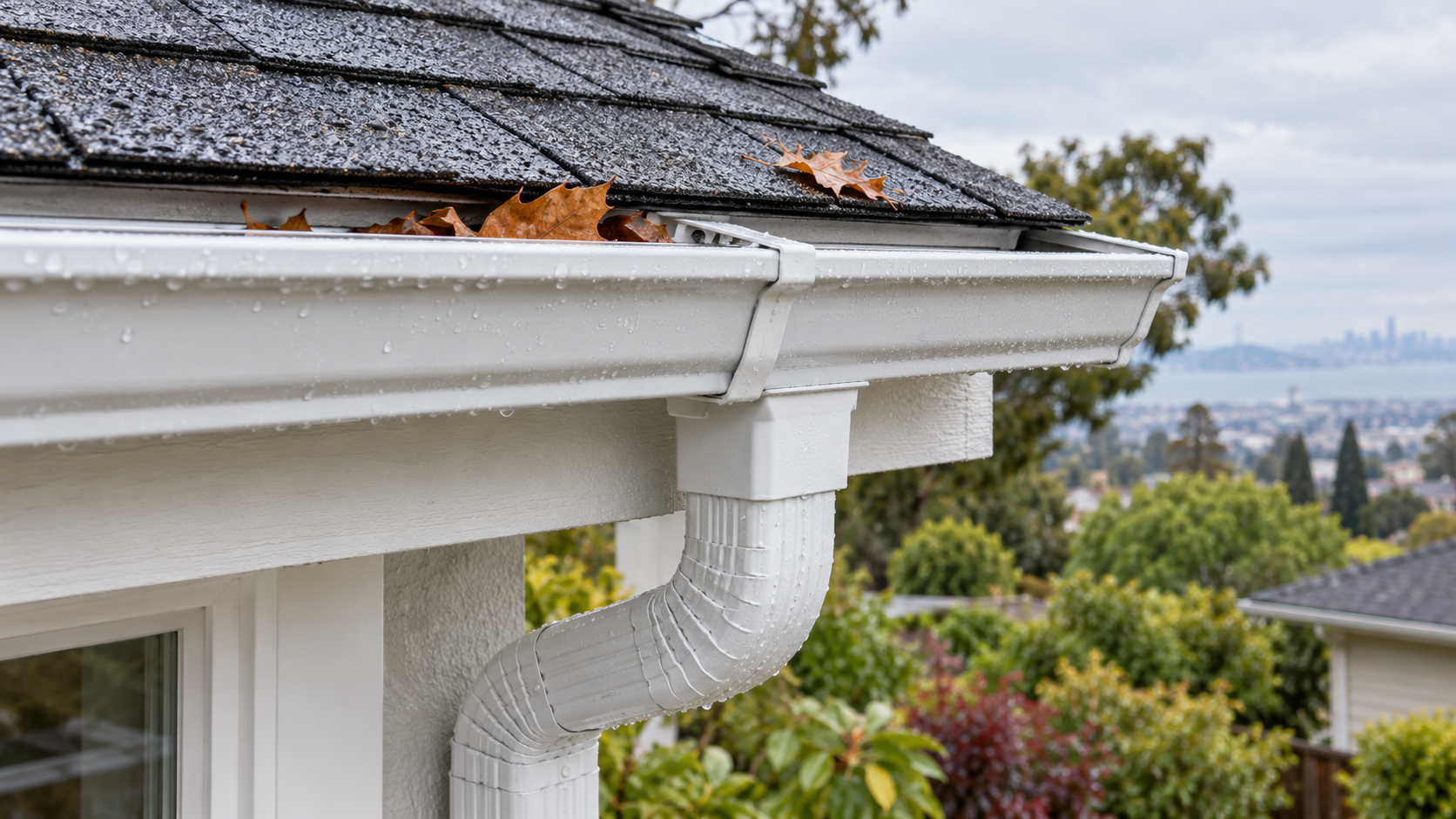
Oakland · Roof Maintenance
How Do I Prepare My Oakland Roof and Gutters for Rain?
Prepare your Oakland roof and gutters for rainy weather. Review visible warning signs, drainage concerns and questions to ask before scheduling maintenance.
Read the guide