
Residential Roofing · Alameda
Choosing an Alameda Roofer for a Roof Replacement
A replacement proposal should describe your house, not just a new covering
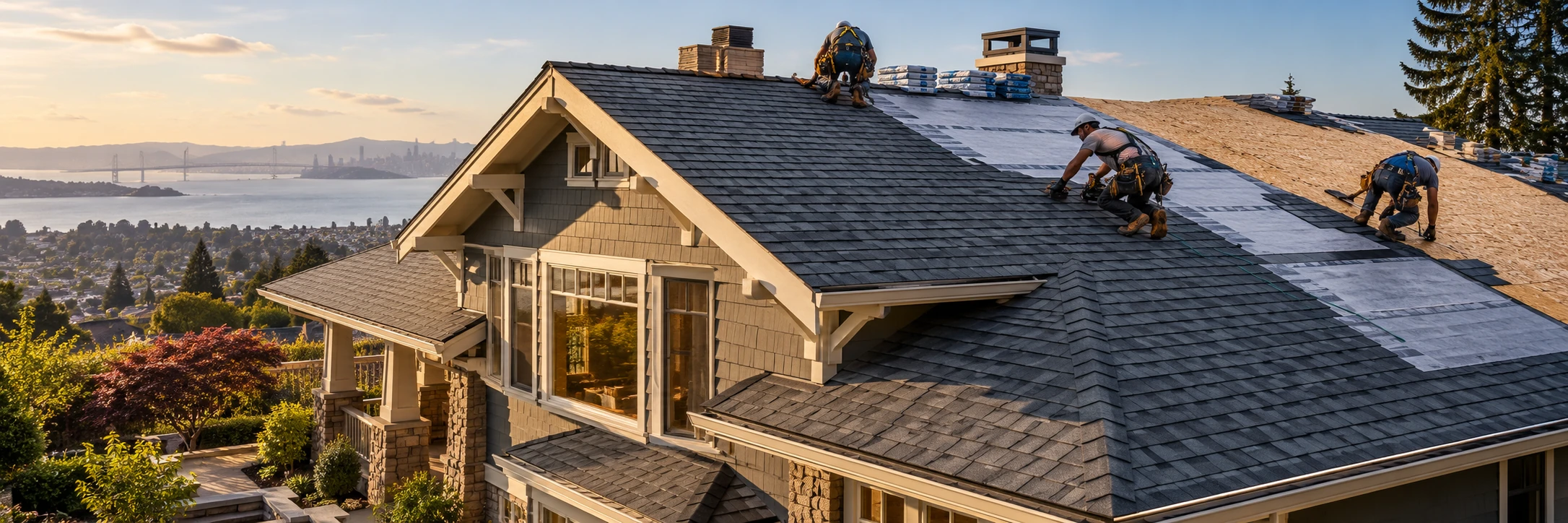
Roof replacement is a coordinated project involving the existing covering, the components beneath it and the details where the roof meets walls, edges and penetrations. For an Alameda homeowner, choosing the best contractor means understanding how those pieces will be handled on your particular house. A product name and a total price do not provide that explanation.
Begin with the Alameda roofing resource hub and the existing roof replacement service page. This guide focuses on choosing and briefing a contractor. It does not assume that an older roof must be replaced, that every older Alameda house has historic restrictions or that a new material can be selected without reviewing the building.
Your goal is a proposal that connects the assessed condition with an understandable scope. Gather the roof history, identify access constraints and ask how hidden findings will be communicated. Those questions make the comparison more useful before work begins and reduce avoidable misunderstandings during the project.
Residential Roofing · Existing condition
What Should Be Established Before Discussing Replacement Materials?
Confirm why replacement is being recommended
Ask which findings support replacing the roof rather than repairing a defined area. The answer should describe the roof condition, recurring issues or limitations of a smaller scope. Approximate age is useful background, but two roofs of similar age can have different materials, installation details and maintenance histories.
If the choice remains uncertain, keep the decision discussion separate from selecting a product. The East Bay repair-versus-replacement guide offers questions about the condition and remaining concerns. Ask what a repair would leave unresolved and how replacement would address those issues.
Identify the existing components
Tell the contractor what you know about previous layers, repairs, roof-mounted equipment and interior symptoms. Ask what can be assessed before removal and what may remain concealed. A responsible proposal can identify uncertainty without treating every possible hidden issue as either certain or impossible. Request an explanation of how additional findings would affect the scope.
Residential Roofing · Property details
How Should Older-Home Details Be Handled in Alameda?
Describe the details worth retaining
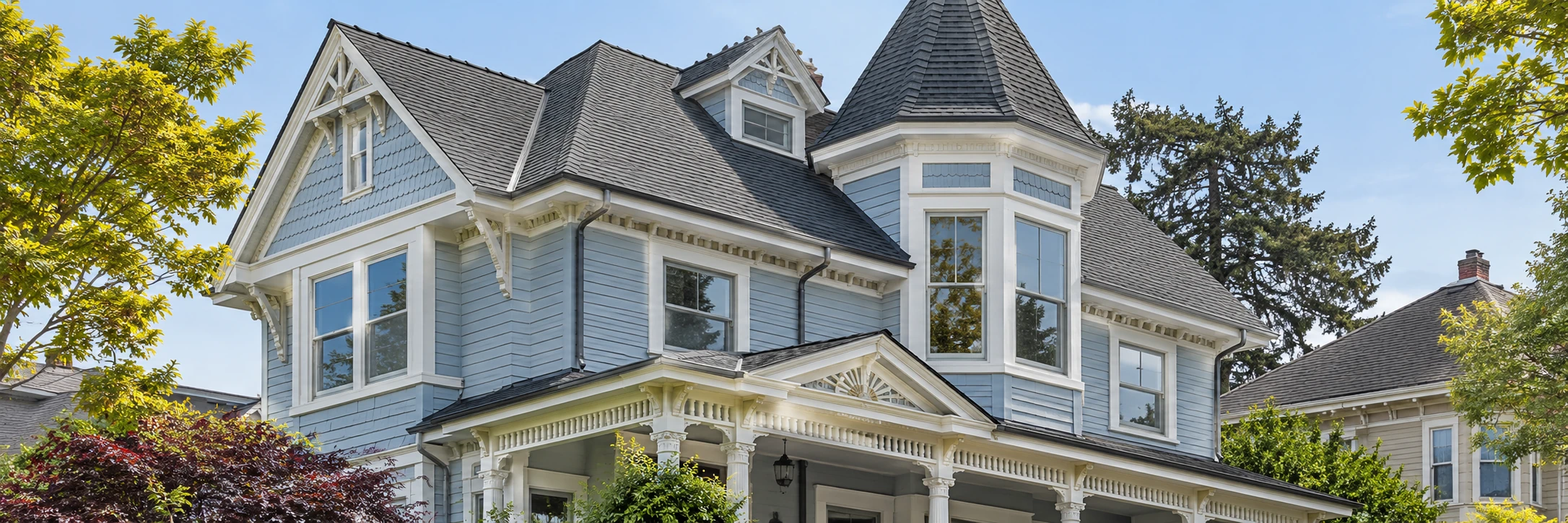
If your house has prominent eaves, visible trim, unusual roof lines or a distinctive roof-edge appearance, point them out before a material is selected. Ask how the proposed work will meet those details and whether adjacent components need protection or review. Photographs of the whole house can provide context that a close-up of one shingle cannot.
Do not assume the appearance of a house establishes its regulatory status. If you know the property has a designation or prior planning conditions, provide that information. Confirm applicable project requirements with the appropriate City of Alameda department rather than relying on a general article or a neighbor’s past project.
Before the estimate visit, take a few overall photographs of roof edges and visible trim from the ground. Mark which features you want discussed and explain whether appearance, maintenance or an existing leak is your primary concern. Ask the contractor to record any proposed changes to those details in the scope. This gives you a useful point of comparison when a drawing, material sample or revised estimate arrives later.
Keep material choice connected to the actual structure
For a house with tile roofing, questions may include the visible tiles, underlayment and transitions. For shingle roofing, ask about the proposed shingle system and related details. A change in material should prompt a property-specific discussion rather than the assumption that roof coverings are interchangeable.
Residential Roofing · Proposal comparison
What Should a Roof Replacement Estimate Explain?
Ask for a component-by-component scope
A useful estimate identifies the areas involved, removal work, proposed materials, relevant flashing details and cleanup. Ask which components are being retained and why. Clarify how roof penetrations, adjoining walls and edges will be handled, including any work that needs coordination with another trade.
The wording should make it possible to compare proposals without guessing. For example, one estimate may include new flashing in specified locations while another describes only the roof covering. Before interpreting the price difference, ask whether the contractor is proposing different work.
Discuss concealed damage and changes in advance
Find out how additional findings would be photographed, described and approved. Ask who will contact you, how quickly a decision may be needed and how the work area will be protected while the next step is discussed. Keep any changes with the original proposal so the final record describes what was actually completed.
| Review point | What to clarify |
|---|---|
| Existing roof | What condition supports replacement? |
| Retained details | Which edges, penetrations or other components remain? |
| Proposed assembly | Which materials and preparation are included? |
| Unknown conditions | How are additional findings approved? |
| Completion | What cleanup, records and care instructions are provided? |
Residential Roofing · Roof-edge drainage
How Should Gutters and Downspouts Be Coordinated?
Check the proposed interface
A roof replacement and a gutter project can share the roof edge without being the same job. Ask whether existing gutters must be removed or temporarily adjusted, whether reattachment is included and whether their condition supports reuse. New roofing does not automatically correct gutter alignment or a damaged downspout.
If a new gutter arrangement is being considered, use the Alameda gutter installation guide for installation-specific questions. Review the downspout installation service separately when the runoff route or connection layout is changing.
Describe the problems you want the project to solve
Tell the contractor about overflow, water against a wall or damaged connections, even if those concerns are outside the roofing scope. Ask who will assess them and whether they require a separate proposal. A clear boundary prevents a homeowner from assuming that a new roof includes every part of exterior drainage.
Residential Roofing · Project planning
What Arrangements Matter for an Occupied Alameda Home?
Prepare the property brief
Explain driveway use, gates, side-yard access and places where materials or debris cannot be staged. Identify household schedules, pets and any access arrangements involving tenants or neighbors. Ask how noise, deliveries and movement around the house will be communicated. Do not assume that a front-door appointment provides permission to use adjoining property.
If equipment, solar components or other attachments are present, identify them early. Ask which party is responsible for any needed coordination. The contractor should confirm the available roofing scope rather than imply that all related trades are automatically included.
Ask about weather-related planning
Discuss how the work will be sequenced and what happens if the schedule changes. Ask how the exposed work area will be managed during the project. A forecast cannot eliminate uncertainty, so the useful issue is the plan for communicating changes and maintaining an appropriate work area, not a promise that weather will never interrupt the schedule.
Residential Roofing · Your next step
How Do You Choose the Best Fit and Prepare for Follow-Up?
Check the business and the proposed communication process
Check the contractor’s business identity and relevant license information through the California Contractors State License Board. Ask for applicable insurance information and written material or workmanship terms. Read review details for communication and handling of changes rather than relying solely on a rating. The best fit should be able to explain what is included and who will answer your questions.
Use Banner Roofing’s contact page to request a discussion of your Alameda property. Include the address, roof material if known, previous work and your reason for considering replacement. If an unexplained leak is driving the decision, the Alameda roof leak detection guide may help you prepare the assessment history.
Keep the finished roof record together
Save the final scope, change approvals, material information and care instructions. Ask which observations should prompt a follow-up conversation. The rain-preparation checklist can support safe seasonal observations, while the maintenance plan should reflect the completed assembly and the actual property.
Coordinate roof replacement with other exterior work
Tell the roofer if you are also planning painting, fascia work, solar-related work or changes around a chimney. The purpose is to identify interfaces and responsibilities before the roof scope is approved, not to assume that every task can be bundled into one price. Ask which existing components must be ready before roofing begins and whether another trade needs to review an affected area. Record who is arranging that coordination. If a proposal excludes a related task, ask how that exclusion changes the sequence and what would need to happen before the roofer can complete the relevant detail. This avoids discovering an unresolved dependency after materials have been selected.
Give the contractor a clear list of features you want preserved, but ask how those wishes relate to the roof condition. Reusing a visible detail for appearance is different from retaining it because the contractor considers it serviceable. Ask for the reason to be explained. If the recommendation changes once the existing covering is removed, request photographs and an explanation of the new finding before approving a different approach. Keep the change tied to the original location and objective. This record is useful when a later invoice or final photograph no longer shows the components that led to the decision.
Agree on who receives decisions during the project
Replacement work can produce questions that need a homeowner decision while someone is at work or away from the property. Confirm a primary contact and an alternate, and explain whether another owner must agree to scope changes. Ask how photographs, estimates for additional work and approvals will be exchanged. Do not rely on a casual conversation with a household member who cannot authorize the change. At completion, ask for one final account of the work actually performed, including approved revisions and care information. That account makes the project easier to understand when the home is sold, another trade works nearby or a future maintenance visit is arranged.
Residential Roofing · Questions & Answers
Alameda Roofing Questions
How do I choose the best roofing contractor near me in Alameda?
Choose on verified project fit: a clear assessment, an understandable replacement scope, relevant experience and independently checked credentials. Confirm Alameda coverage and the process for arranging a visit. A contractor’s nearest office or highest-looking rating does not replace those checks.
Does an older Alameda home always need a special roof material?
No general rule can determine the material for an individual home. Existing conditions, the intended assembly and any applicable property requirements matter. Ask your contractor to explain the options for your building and confirm current requirements with the appropriate local department when needed.
Will roof replacement include new gutters?
Only when the written scope includes them. Ask whether gutters will be retained, removed and reattached or replaced. Downspout changes may be a separate item. Clarify the condition of each drainage component before assuming a roofing proposal includes a new system.
Should I choose the lowest replacement estimate?
Compare the work first. Differences in removal, preparation, flashing, retained components and cleanup can produce different totals. Ask each contractor to explain missing or unclear items. A lower price becomes meaningful only after you understand the scope and responsibilities.
Can roof replacement work be planned while I live in the house?
Discuss occupancy, access, pets, household schedules and the proposed work with the contractor. Ask how disruptions and schedule changes will be communicated. The arrangements should reflect the work and property rather than a blanket promise that daily life will be unaffected.
What should I keep after a replacement?
Keep the final scope, approved changes, materials, photographs supplied by the contractor and written care or warranty information. Store these with the roof history. They provide a useful starting point if another contractor or property owner needs to understand the completed work.
Related Roofing Guides
East Bay · Roofing Decisions
Should I Repair or Replace My Roof in the East Bay?
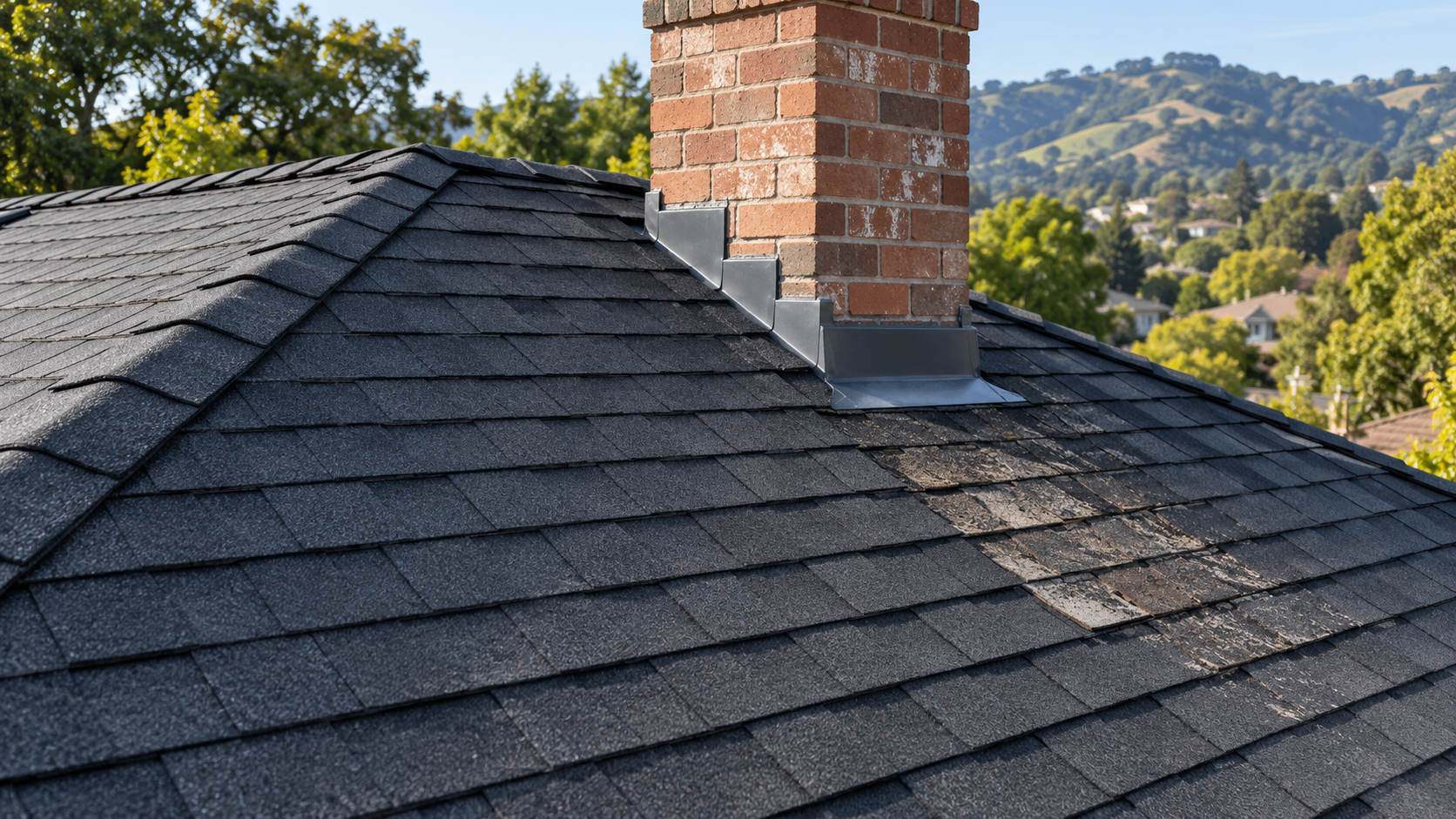
Compare roof repair and replacement in the East Bay. Learn which signs to discuss, what an assessment should cover and how to compare estimates.
Read the guide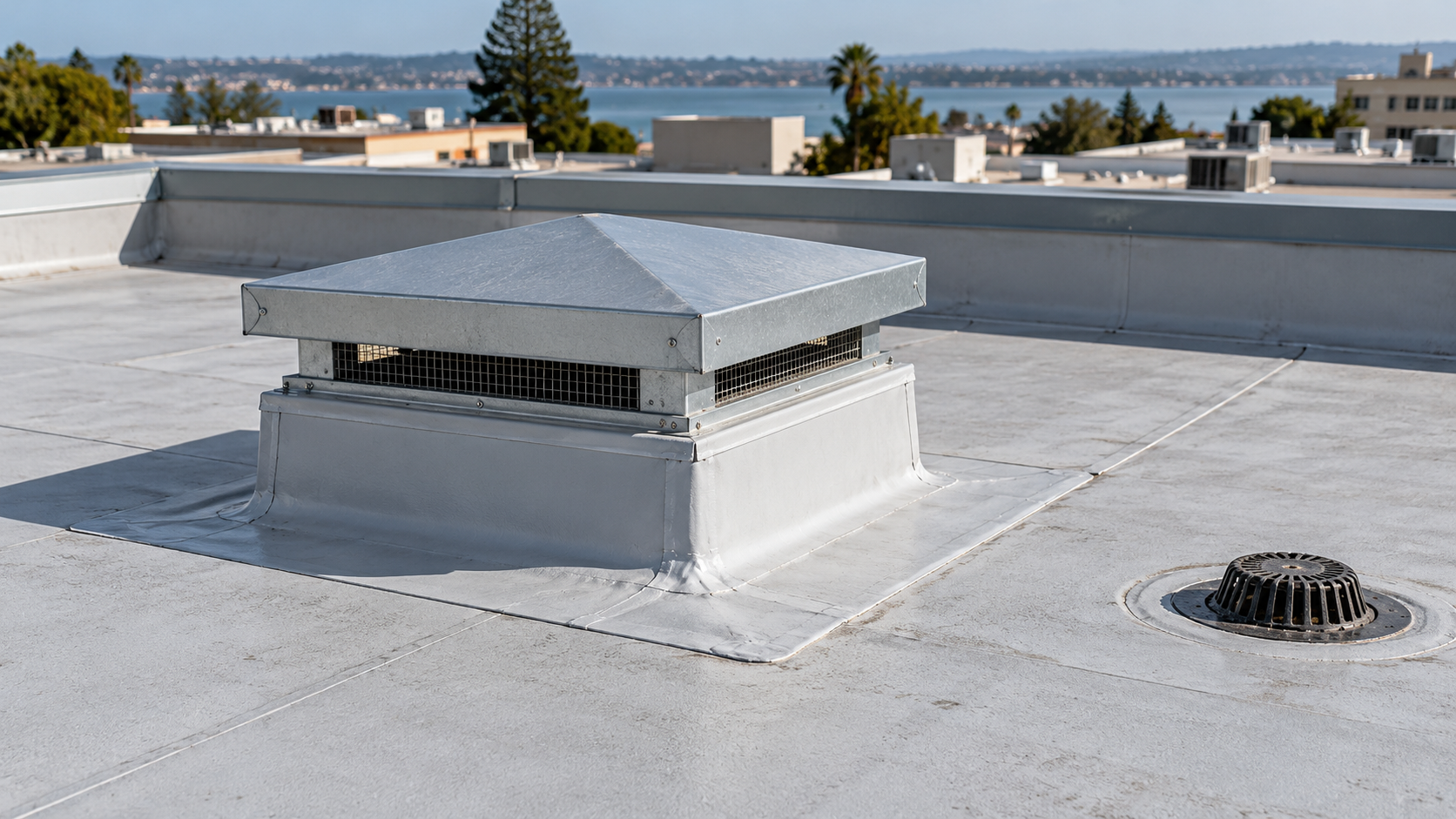
Alameda · Commercial Roofing
What Causes Commercial Roof Leaks in Alameda?
Understand commercial roof leaks in Alameda, including flashing, roof penetrations and drainage concerns, before discussing an assessment and repair scope.
Read the guide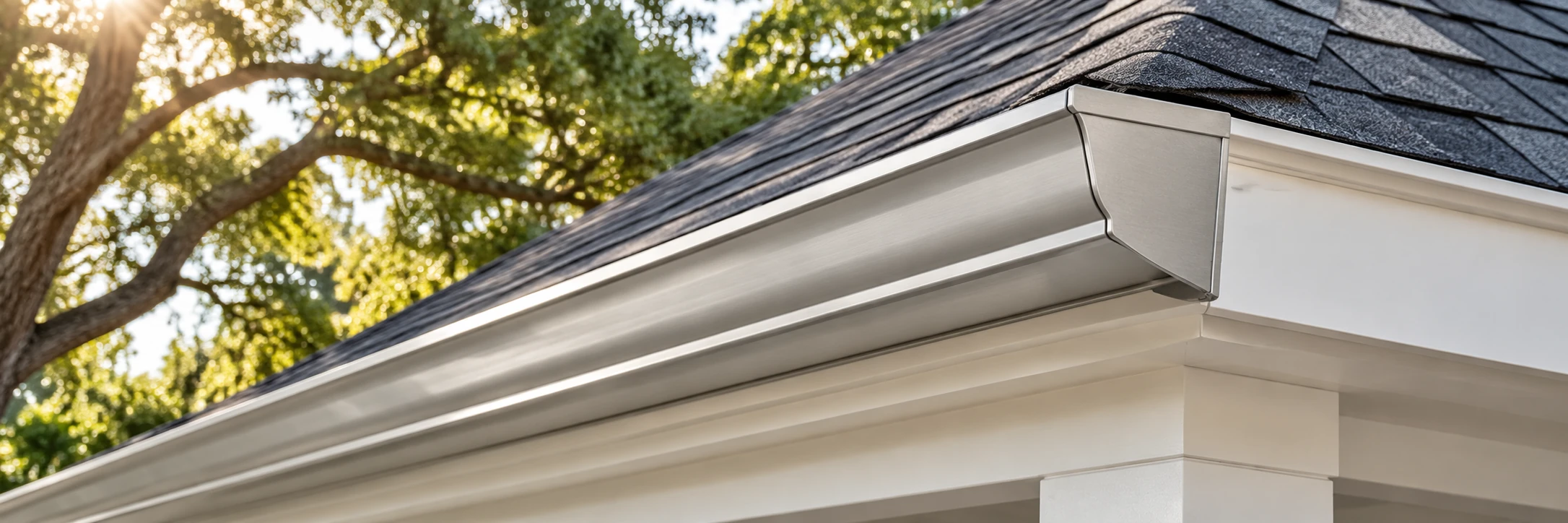
Alameda · gutter installation
Alameda Gutter Installation: How Do I Choose the Best Installer for My Home?
Planning gutter installation in Alameda? Compare layout, material choices, attachments and downspout connections before choosing an installer for your home.
Read the guide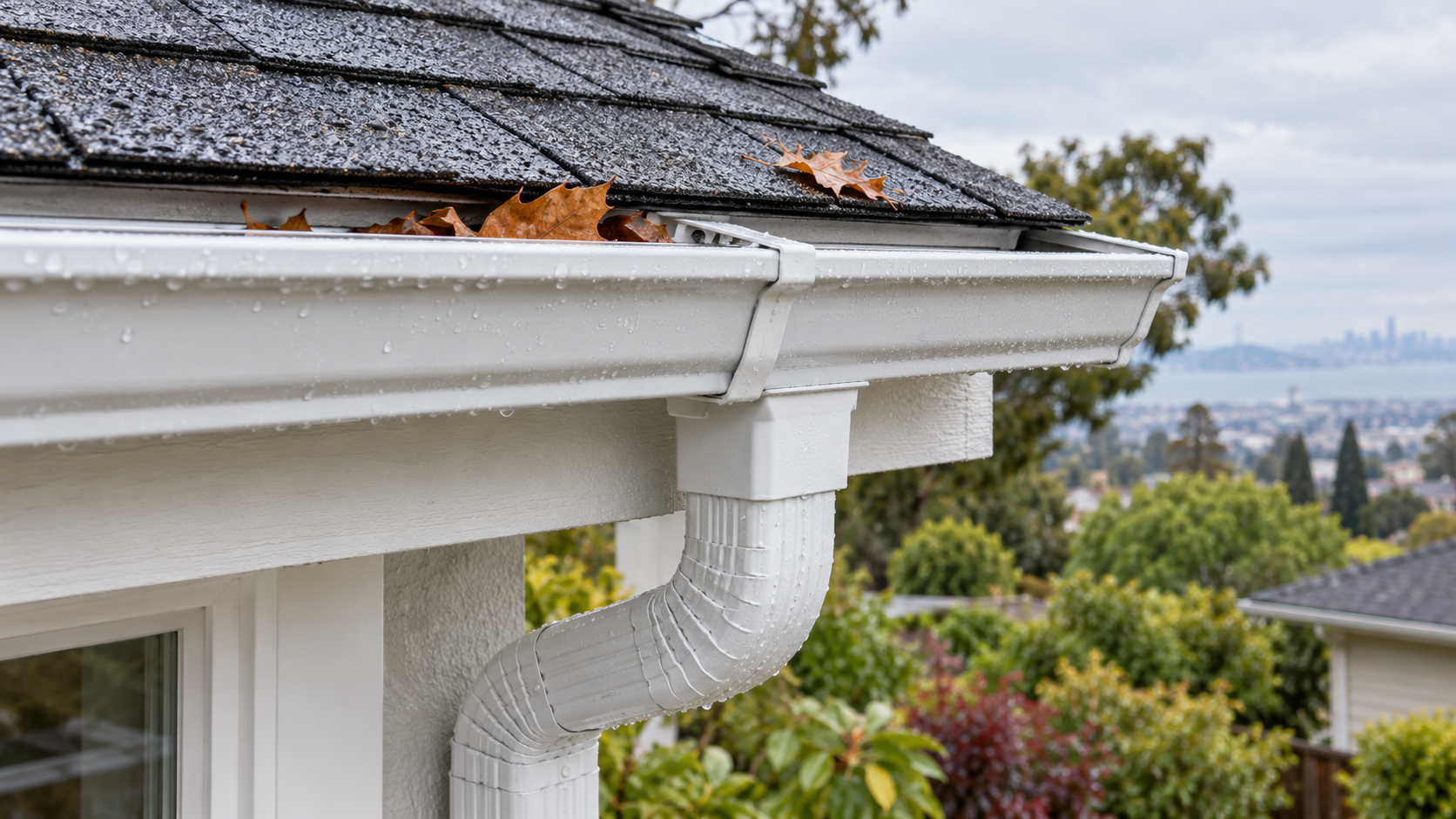
Oakland · Roof Maintenance
How Do I Prepare My Oakland Roof and Gutters for Rain?
Prepare your Oakland roof and gutters for rainy weather. Review visible warning signs, drainage concerns and questions to ask before scheduling maintenance.
Read the guide