
Residential Roof Repair · Berkeley
What is the short answer?
Start with the observed condition
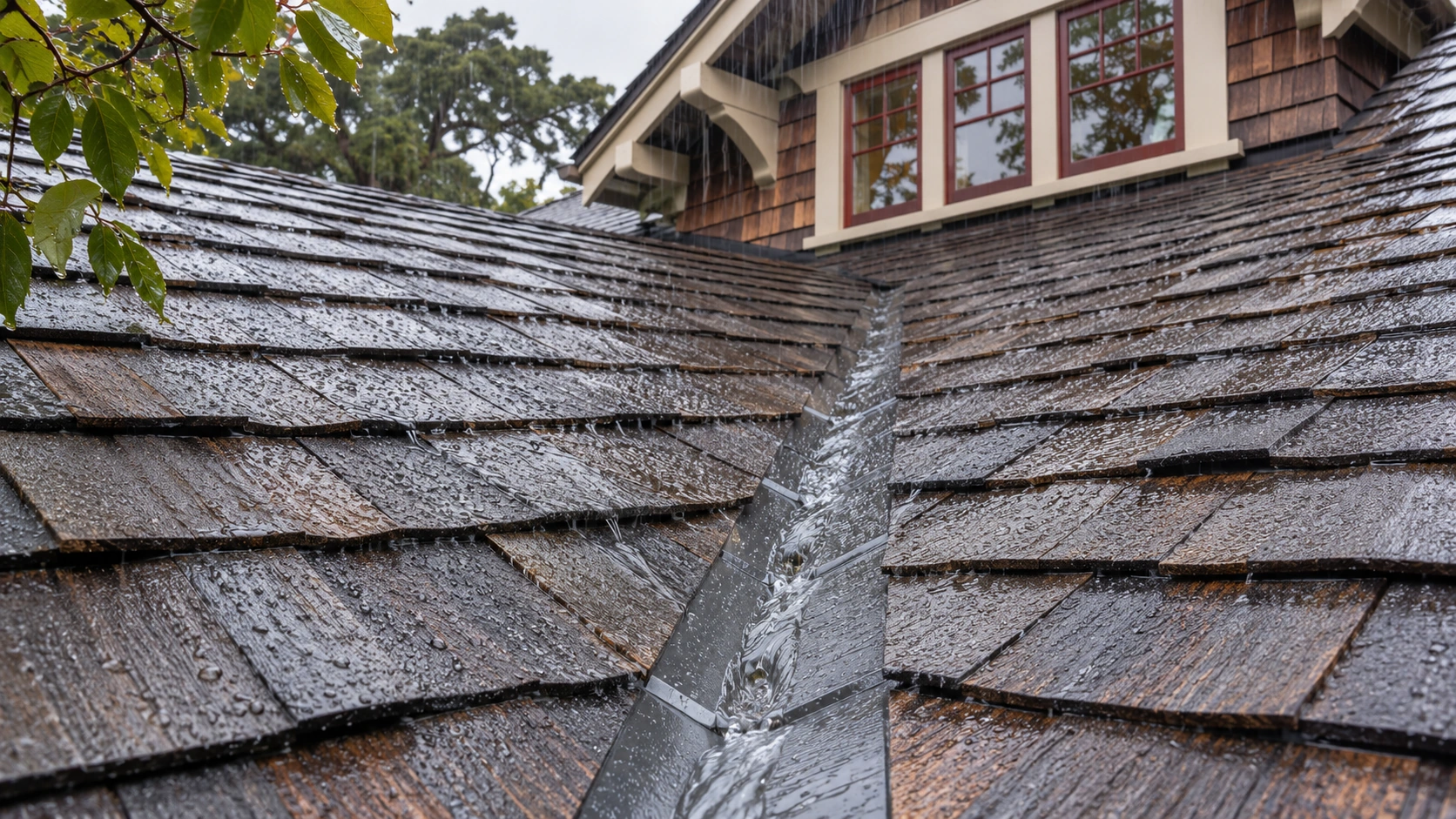
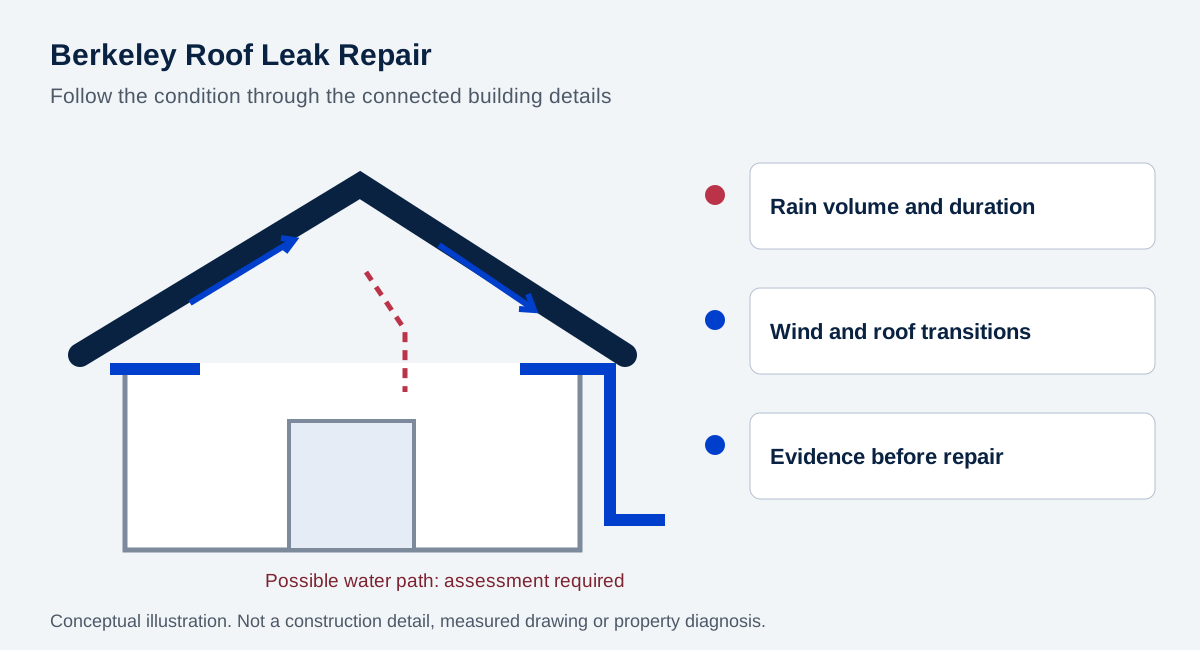
A leak that appears only during heavy rain may involve water volume, wind direction, a vulnerable roof detail or drainage backing up. The timing helps guide an investigation, but it does not prove the cause. A roofer needs to relate the weather pattern to the roof assembly and visible evidence.
An intermittent leak can be more confusing than a constant one. A Berkeley homeowner may see a stain after one storm, nothing during the next shower and dripping during a later downpour. That pattern is useful information. It is not evidence that the problem has repaired itself, nor does it identify a single roof component without further investigation.
Banner Roofing offers roof leak detection within its listed East Bay coverage. The Berkeley roofing contractor guide explains how to compare the service fit and written scope.
Residential Roof Repair · Assessment
Why might light rain leave no visible leak?
A symptom can have a threshold
A vulnerable roof detail may not show an interior symptom under every rainfall condition. The amount of water, its direction and the time it remains on an area can change from one storm to another. The path inside the assembly also matters. An absence of visible dripping during a light shower cannot establish that every layer is sound or dry.
Compare events in plain terms: short shower, prolonged rain, strong gusts or a sudden downpour. Avoid assigning exact rainfall measurements unless you actually recorded them. Tell the roofer how long after rain began the symptom appeared and whether it continued after rain ended. The sequence can be more useful than a general statement that the roof leaks sometimes.
Residential Roof Repair · Observation
Can wind-driven rain expose a roof weakness?
Record direction without declaring a diagnosis
If a leak appears during gusty weather, describe the wind and the side of the home where the symptom becomes visible. Wind can change how rain reaches roof transitions and openings. That makes wall junctions, penetrations and related details relevant to an assessment, but it does not prove that a specific flashing or vent has failed.
Berkeley properties differ in orientation, surrounding buildings and exposure. A hillside location should not automatically be assigned the same cause as another property nearby. Ask the contractor which details are being considered because of the observed pattern and what evidence would confirm or rule them out. A careful explanation should connect the property to the finding, rather than rely on a citywide assumption.
Residential Roof Repair · Service options
Could valleys or gutter overflow be related to the leak?
Describe roof water and exterior runoff separately
A roof valley collects flow from adjoining roof areas. A gutter and outlet then receive runoff at the roof edge. If water handling changes during heavy rain, the contractor may need to review more than the visible ceiling location. From the ground, note whether water spills over a gutter, runs behind it or concentrates near a wall junction.
An overflowing gutter is not proof of a roof leak cause. Likewise, a roof leak does not prove that the gutter needs replacement. Share both observations and ask whether they are connected. If the gutter looks clear from below, do not assume the outlet, downspout or roof-edge detail has been inspected. Separate findings support a more accurate repair scope.
| Observation | Question to ask | Important distinction |
|---|---|---|
| Only heavy rain | Consider collection and drainage behavior | Not proof the gutter needs replacement |
| Only gusty rain | Review relevant roof and wall transitions | Not proof of one specific flashing failure |
| After prolonged rainfall | Record the delay before water appears | Not proof of a large concealed opening |
| Same area after patching | Review earlier scope and current findings | Not proof every part of the old repair failed |
Residential Roof Repair · Repair scope
How should a contractor investigate an intermittent roof leak?
Build a record before selecting a repair
Provide photographs, the room location, storm timing and the history of earlier repairs. The contractor can use those details with a roof assessment to decide whether further investigation is needed. Ask what was actually observed, what is suspected and what remains inaccessible. Those are three different levels of certainty and should not be presented as interchangeable.
If testing is proposed, ask how it will be performed, what area it will assess and what limitations apply. Do not try to reproduce a leak yourself by spraying water onto the roof or entering unsafe areas. An investigation should narrow the explanation and support a defined repair, rather than generate a list of unrelated products.
Residential Roof Repair · Planning
Why can repeated surface sealing fail to solve the problem?
A visible joint may not be the entry point
Adding material around the nearest visible roof detail may leave the actual entry path untouched. It can also make later assessment harder if the original condition is concealed. Ask why the selected area is considered responsible and how the proposed work interfaces with surrounding roof layers. A photograph of fresh sealant alone does not explain the diagnosis.
If a previous repair worked in some storms but not others, include that history without assuming it was entirely ineffective. The difference may help identify the conditions that still matter. Ask whether a compatible localized repair is feasible and whether opening a limited area is necessary to evaluate hidden conditions. The scope should follow evidence, not the number of earlier patch attempts.
Residential Roof Repair · Follow-up
What should I monitor after an intermittent leak repair?
Use the original pattern as the reference
Keep the repair description and note which weather conditions originally triggered the symptom. If the stain changes, photograph it from the same safe position and record the date. Do not assume an old stain is new moisture without assessment, but do not dismiss fresh dripping simply because the roof was recently repaired. Clear records help distinguish those situations.
Ask the contractor what follow-up is appropriate if the original weather pattern returns. Interior materials may need a separate moisture or restoration assessment. Once the roof issue has been addressed, arrange ongoing roof maintenance based on the property condition and access. Maintenance is an opportunity to observe changes, not a guarantee against every future leak.
Residential Roof Repair · Planning example
What example shows why the rain pattern matters?
Compare conditions without jumping to a cause
Imagine a Berkeley homeowner reporting no symptom during a short shower but a new ceiling drip after prolonged rain with gusts. That record gives the contractor several conditions to evaluate. It does not establish whether the vulnerable detail is at the roof covering, wall transition or drainage route. The next useful step is to connect that account with observed building conditions.
Ask the contractor what finding would change the repair recommendation. Would a confirmed entry path support a limited repair? Is additional investigation necessary before opening materials? An explanation that acknowledges uncertainty can be more useful than a fast, confident answer. Keep the original rain description available for follow-up so the repair is evaluated against the actual recurring symptom.
Residential Roof Repair · Key takeaways
What should I take away before requesting help?
Keep the request specific to your property
For a Berkeley property, describe the actual roof shape, surrounding trees and access conditions rather than assuming the city name identifies the cause. If drainage changes are proposed, distinguish visible roofing work from any site or underground work. A quote should make those limits clear so you know when another assessment or local requirement needs attention.
For the wider decision, read East Bay Emergency Roof Repair: When Does a Roof Leak Need Urgent Attention?. East Bay Emergency Roof Repair: When Does a Roof Leak Need Urgent Attention?; Oakland Emergency Roof Repair: What Should I Do First When My Roof Starts Leaking?; Alameda Roof Repair: Can Wind-Damaged Shingles Be Repaired Without Replacing the Roof?; Castro Valley Roof Repair: How Can I Tell Whether Roof Flashing Is Causing a Leak?.
When you contact Banner Roofing, describe the observed condition and ask what the initial assessment includes. Call 510.895.4433 or request a roofing estimate. Mike handles your estimate. Confirm availability, proposed work and any separate investigation directly; this guide does not promise an arrival time or diagnose a property from its city name.
Residential Roof Repair · Questions & Answers
Berkeley Roof Repair Questions
Is a roof that leaks only in heavy rain still damaged?
It may have a vulnerable detail or another water-entry problem. Intermittent timing does not establish the roof condition; an assessment is needed.
Can a blocked downspout cause every rain-related ceiling leak?
No. A drainage blockage can affect runoff, but roof, wall and other water sources must be evaluated before connecting it to an interior stain.
Should I keep a rain and leak log?
Yes. Record the start time, visible location, duration and whether wind or overflow was present. Do not climb outside to collect measurements.
Can the ceiling stain point to the wrong roof area?
Yes. Water may travel along materials before becoming visible. Share the stain location as an observation rather than a confirmed source.
Which service should I ask about first?
For an uncertain entry point, ask about roof leak detection and what the initial assessment covers. A repair scope can follow the findings.
Related Roofing Guides

East Bay · Roof Repair Advice
East Bay Emergency Roof Repair: When Does a Roof Leak Need Urgent Attention?
Learn when an East Bay roof leak needs urgent help, what to report to a roofer and how temporary protection differs from a permanent repair.
Read the guide
Oakland · Roof Repair Advice
Oakland Emergency Roof Repair: What Should I Do First When My Roof Starts Leaking?
An Oakland roof leak needs a clear first response. Learn what to report, how to protect belongings safely and what to ask before authorizing repairs.
Read the guide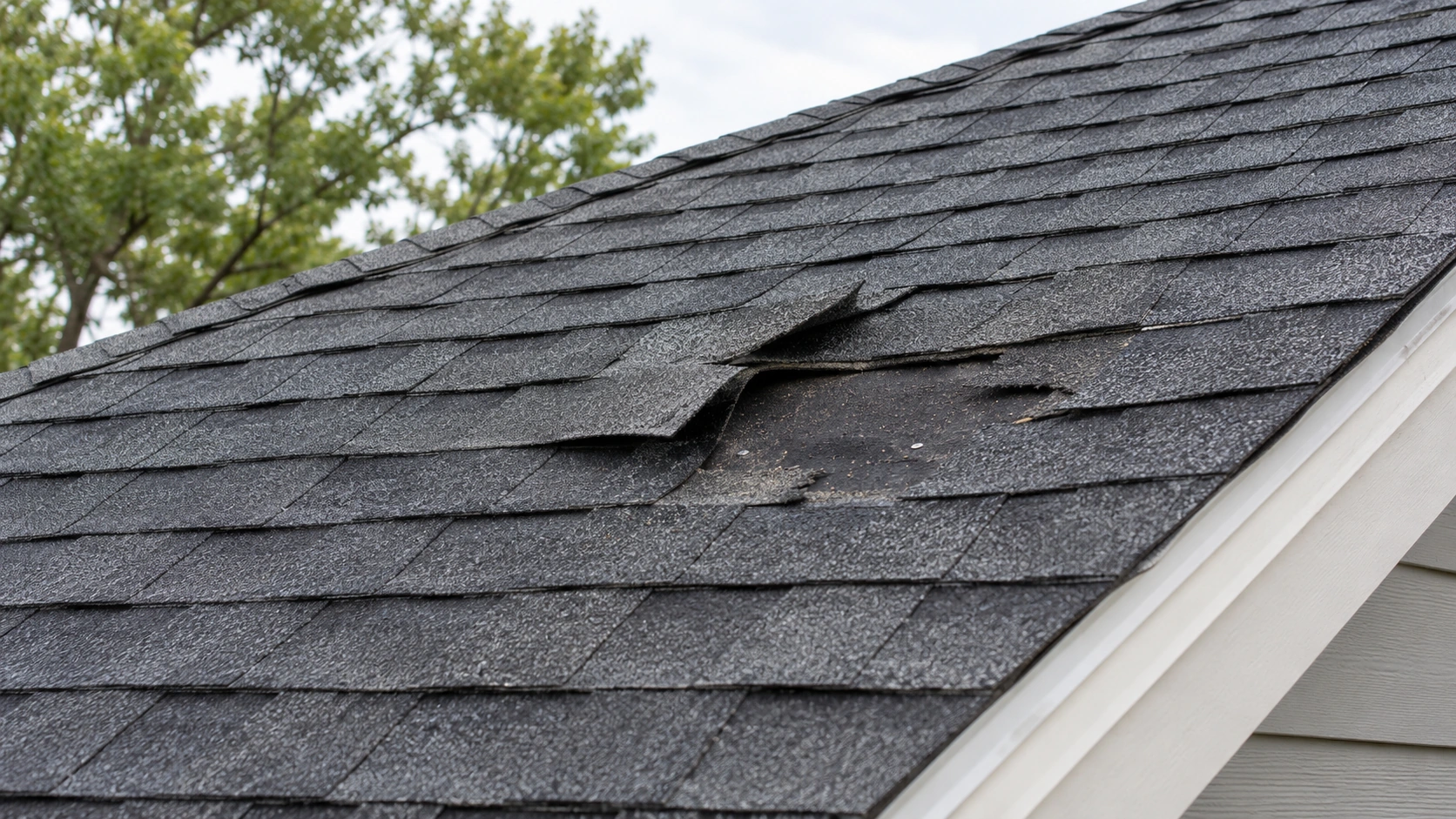
Alameda · Roof Repair Advice
Alameda Roof Repair: Can Wind-Damaged Shingles Be Repaired Without Replacing the Roof?
Understand when wind-damaged shingles on an Alameda home may be repairable and what a roofer should assess before recommending full replacement.
Read the guide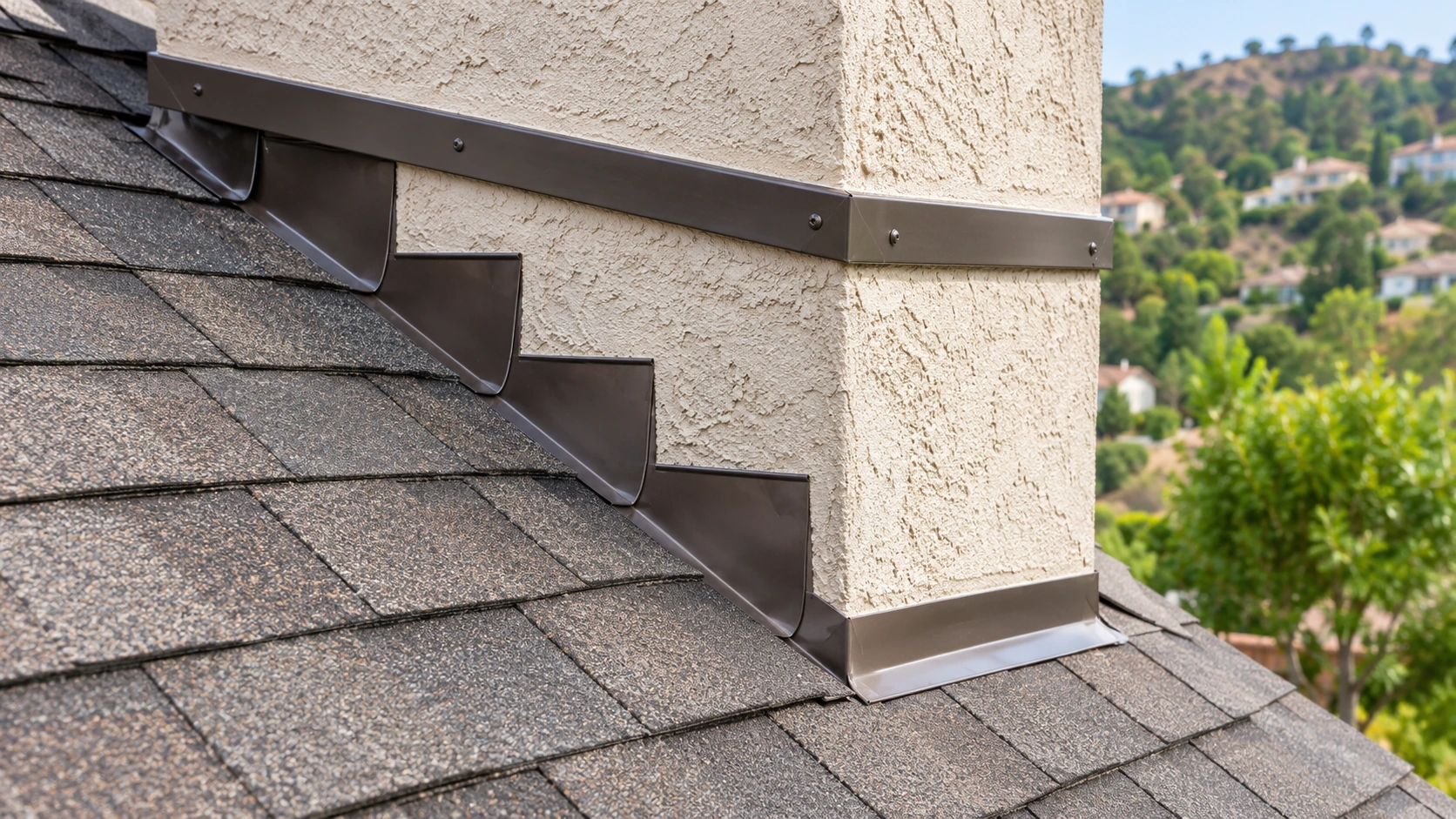
Castro Valley · Roof Repair Advice
Castro Valley Roof Repair: How Can I Tell Whether Roof Flashing Is Causing a Leak?
Learn how flashing relates to roof leaks in Castro Valley and which observations help a roofer investigate chimneys, walls and roof penetrations.
Read the guide