

Residential Roof Repair · Oakland & Alameda & Berkeley & Castro Valley
What is the short answer?
Start with the observed condition
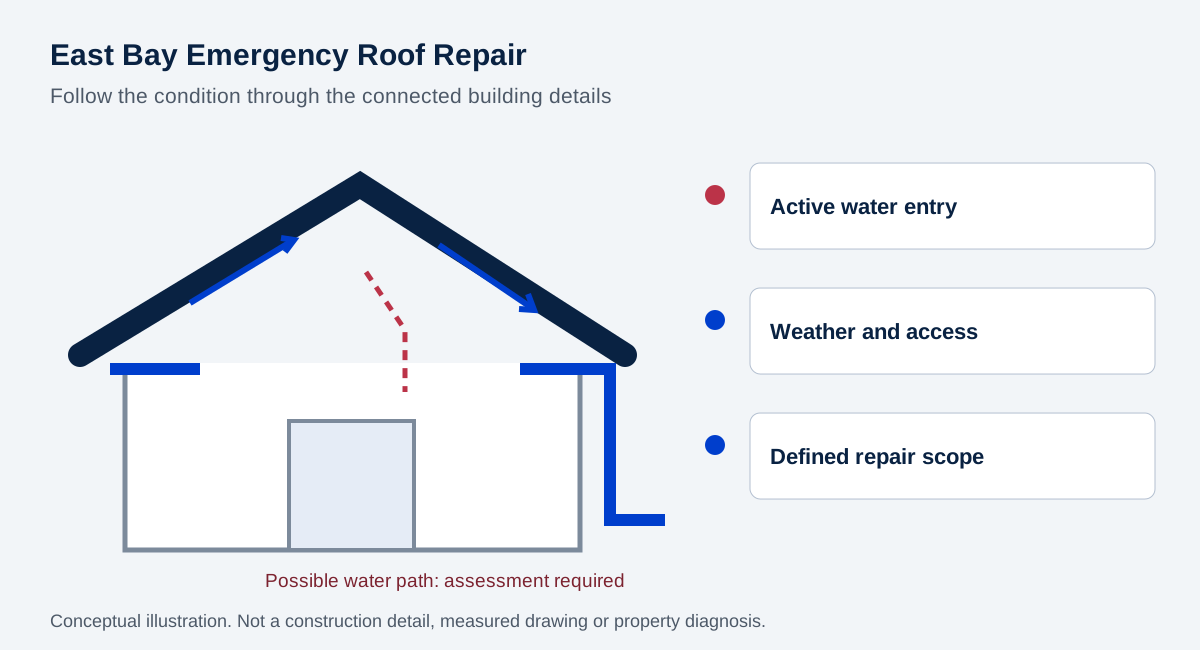
An active roof leak needs prompt assessment when water is spreading, roofing has been displaced or another storm may expose the damaged area. Water near electrical equipment, a sagging ceiling or signs of structural distress require people to stay clear and obtain appropriate emergency help first.
Rain inside a home creates two decisions: how to keep people away from immediate hazards and how to arrange a useful roof assessment. Those decisions are related, but a roofing appointment cannot replace emergency assistance where electrical or structural conditions are unsafe. A bucket catching a slow drip is a very different situation from a ceiling that is bulging or water reaching a light fitting. Describe what is happening rather than trying to assign your own severity rating.
Banner Roofing offers roof repair within its listed East Bay coverage. Explore the service-area directory to confirm your city.
Residential Roof Repair · Assessment
Which roof leak warning signs should I report immediately?
Describe changes, not just the first stain
A stain that grows during rainfall, repeated dripping or a visible opening in the roof are reasons to contact a roofer promptly. Report whether water is still entering and whether the affected room can be kept safely out of use. A small ceiling mark does not reveal the size of a concealed wet area, and the absence of dripping does not prove the roof assembly is dry.
Keep people away from a sagging or bulging ceiling, visibly damaged framing and any wet electrical fitting. Do not stand below the affected area to inspect it closely or attempt to puncture the ceiling. If there is an immediate threat to life or safety, call emergency services. For electrical concerns, obtain qualified electrical assistance; do not touch wet switches or equipment to investigate the leak.
Residential Roof Repair · Observation
What can I do safely while waiting for roofing help?
Protect belongings only from a safe position
From a safe, dry area, move nearby belongings away from an isolated drip and keep household members and pets out of the affected space. Photograph visible damage from the floor if you can do so without going under unstable materials. Avoid climbing onto a wet roof, setting a ladder in wind or entering a cramped attic to search for the source. Access and weather conditions matter more than getting a close photograph.
Write down when the leak started and what the rain was doing. Note whether it appeared after hours of steady rainfall or immediately with gusts. Keep previous roof invoices, repair photographs and the roof material information together. These details can help the contractor decide what to assess, but they do not establish a diagnosis or make a particular repair safe to attempt yourself.
Residential Roof Repair · Service options
How do I find emergency roof repair near me in the East Bay?
Confirm coverage and actual availability
Look for a contractor who serves your city and handles your roof material, then describe the active symptoms before discussing a visit. Ask whether the next step is an assessment, temporary protection or a planned repair. These are different scopes. A search result using the word emergency does not establish that a company has a crew available immediately or that weather allows roof access.
Banner Roofing serves Oakland, Alameda, Berkeley, Castro Valley and other listed East Bay communities. Call the office to discuss current availability and the condition of your property. Confirm the timing directly rather than assuming a same-day arrival, overnight service or a guaranteed response window. If a contractor cannot visit promptly, ask what information can be collected safely and what limitations apply while you arrange help.
| Observation | Question to ask | Important distinction |
|---|---|---|
| Water near a light fitting | Keep clear and obtain qualified help | Roof assessment does not replace electrical safety work |
| A localized active drip | Report the room and timing promptly | The indoor spot does not confirm the roof entry point |
| Missing roof material | Ask about assessment and exposure | A limited visible gap may need wider checks |
| Dripping stops after rain | Arrange follow-up on the original symptom | Dry weather does not establish that the cause is corrected |
Residential Roof Repair · Repair scope
Is temporary roof protection the same as a permanent repair?
Ask what each visit is intended to accomplish
Temporary protection is intended to reduce exposure while conditions, materials or a detailed repair scope are being arranged. It does not automatically correct the failed flashing, damaged covering or deteriorated roof deck underneath. Whether a temporary measure is appropriate depends on the roof system, access and weather. The contractor should explain the purpose, expected limitations and the next decision before work begins.
A permanent repair addresses a supported cause and restores the relevant roof details using a compatible method. Ask whether the written scope includes investigation, removal of affected materials, replacement components and any follow-up observation. Keep temporary work and permanent work separately identified on paperwork so you understand what has been completed and which issues still require a decision.
Residential Roof Repair · Planning
Does a leaking roof always need full replacement?
Separate an urgent symptom from the long-term roof decision
An urgent leak does not by itself establish that the entire roof needs replacement. A localized failure may have a practical repair option if nearby materials and the underlying assembly can support it. Conversely, repeatedly patching a roof with widespread deterioration may leave the same vulnerabilities in place. The decision should follow documented findings, the remaining serviceability of the roof and the feasibility of a durable repair.
Ask the contractor to distinguish observed damage from assumptions about hidden conditions. If removal may reveal additional deterioration, request an explanation of how that work would be documented and approved. Compare repair and replacement proposals by what they address, rather than by the urgency of the phone call. Interior drying and restoration may also require a separate qualified professional and a separate scope.
Residential Roof Repair · Follow-up
What should I send the roofer before an emergency assessment?
Create a short incident record
Provide the property city, roof material if known, number of stories, access restrictions and a contact number. Describe the room where water appears, the approximate start time and whether the leak is active now. Ground-level exterior photos and indoor photos from a safe location are useful. Do not delay asking for help while trying to assemble a perfect file or expose concealed materials.
Include any earlier repair at the same location and whether it stopped the symptom in previous storms. Ask what the initial visit covers, whether temporary work is a separate authorization and how a permanent repair estimate will be prepared. Keep a record of communications and photographs for your own files. Insurance coverage, if relevant, is determined by the policy and insurer rather than by the term emergency roof repair.
Residential Roof Repair · Next steps
How should I plan follow-up after the rain stops?
Close the loop between the symptom and the repair
Arrange the next assessment even if the visible dripping stops. Dry weather changes the symptom but does not explain its source. Ask which roof details were reviewed, what remained inaccessible and whether additional testing is necessary. A clear follow-up plan identifies the suspected or confirmed cause, proposed corrective work and any conditions that could change the scope.
After the agreed work, record whether the original symptom returns and under what weather conditions. Report a recurrence promptly with the original repair reference. Avoid treating a repainted ceiling or a dry afternoon as proof of roof performance. Keep roof repair, drying and interior finish restoration coordinated so a concealed moisture concern is not covered over simply because the roof visit is complete.
Residential Roof Repair · Planning example
How should I distinguish two different urgent calls?
A planning example, not a diagnosis
Consider two hypothetical households: one has a stable-looking stain that enlarged during rain, while another has water near a light fitting and a visibly bulging ceiling. Both need attention, but the second situation raises safety concerns that must not wait on an ordinary roofing estimate. Describing those conditions clearly is more useful than asking both companies for the same generic emergency patch.
When you call, distinguish three questions: Is the affected space safe to avoid while help is arranged? What roofing assessment is available? What authorization would be needed for temporary or permanent work? Ask which questions the roofer can answer and which require emergency services or another qualified professional. A useful response should establish next steps without claiming to diagnose concealed building conditions over the phone.
Residential Roof Repair · Key takeaways
What should I take away before requesting help?
Keep the request specific to your property
East Bay service coverage is not a diagnosis. An Oakland house with an active interior drip, an Alameda home with displaced shingles and a Castro Valley property with runoff concerns can need very different scopes. Use the city guides to find the appropriate local service path, then make the estimate about the observed conditions on your own property.
This pillar connects the four focused homeowner questions below. Oakland Emergency Roof Repair: What Should I Do First When My Roof Starts Leaking?; Berkeley Roof Leak Repair: Why Does My Roof Leak Only During Heavy Rain?; Alameda Roof Repair: Can Wind-Damaged Shingles Be Repaired Without Replacing the Roof?; Castro Valley Roof Repair: How Can I Tell Whether Roof Flashing Is Causing a Leak?.
When you contact Banner Roofing, describe the observed condition and ask what the initial assessment includes. Call 510.895.4433 or request a roofing estimate. Mike handles your estimate. Confirm availability, proposed work and any separate investigation directly; this guide does not promise an arrival time or diagnose a property from its city name.
Residential Roof Repair · Questions & Answers
East Bay Roof Repair Questions
Who should I call first for an active roof leak?
If electrical or structural conditions present immediate danger, keep people clear and obtain appropriate emergency assistance. For the roof problem itself, call a contractor serving your city and describe the active conditions.
Does Banner Roofing provide guaranteed 24-hour service?
This guide does not promise round-the-clock staffing or a response time. Call Banner Roofing to confirm current availability and discuss your property.
Can a roofer work during a storm?
Safe access depends on weather, roof material and site conditions. The contractor must decide whether an assessment or temporary protection can be performed safely.
Will temporary protection stop every leak?
No temporary measure can be assumed suitable or fully effective for every roof. Ask what it is intended to protect and what limitations remain.
Should I climb into the attic to locate the leak?
Do not enter unsafe, wet or difficult-to-access areas to investigate. Share observations from safe locations and leave roof access and concealed assessment to qualified professionals.
Related Roofing Guides
Oakland · Roof Repair Advice
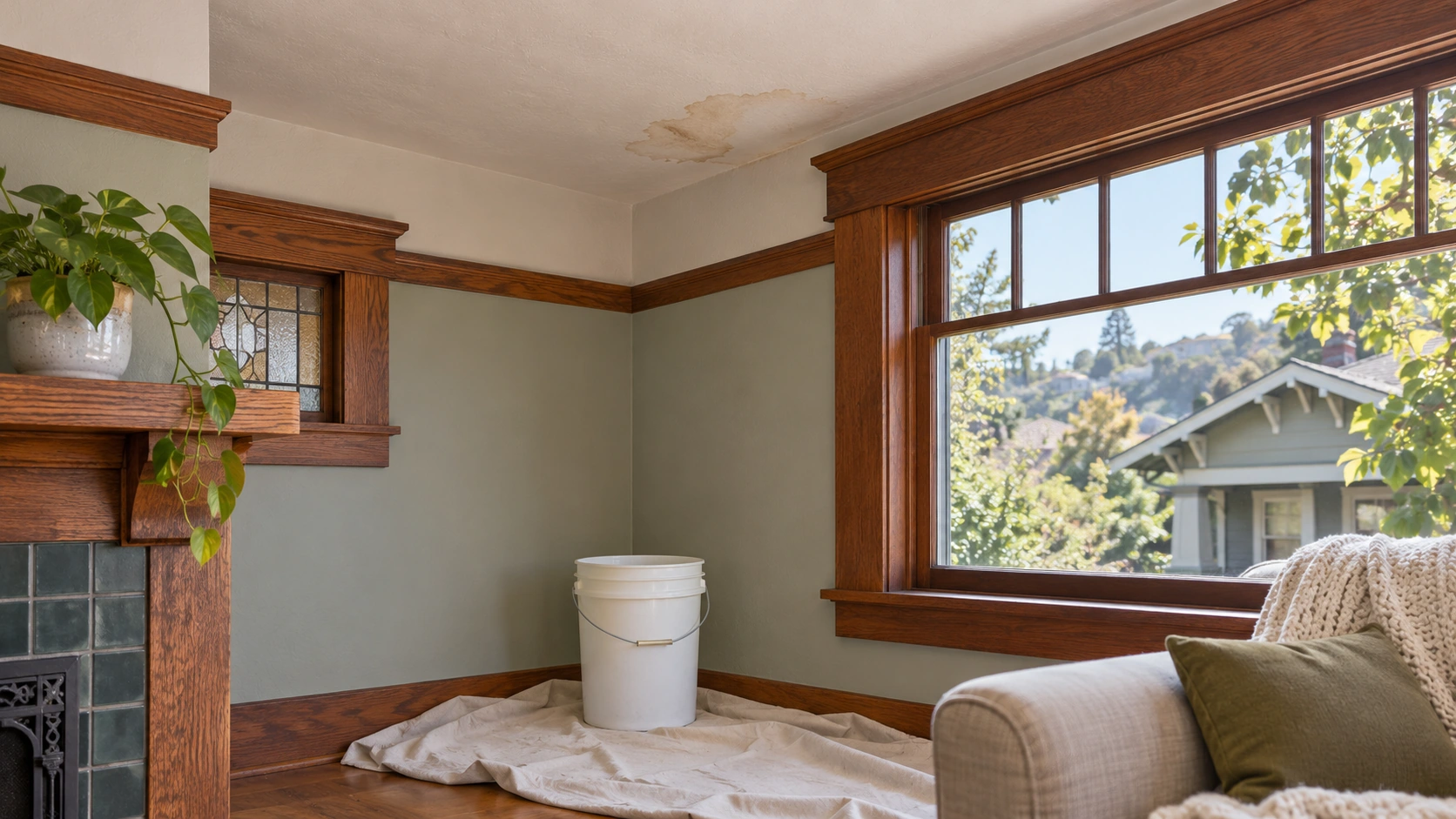
Oakland Emergency Roof Repair: What Should I Do First When My Roof Starts Leaking?
An Oakland roof leak needs a clear first response. Learn what to report, how to protect belongings safely and what to ask before authorizing repairs.
Read the guide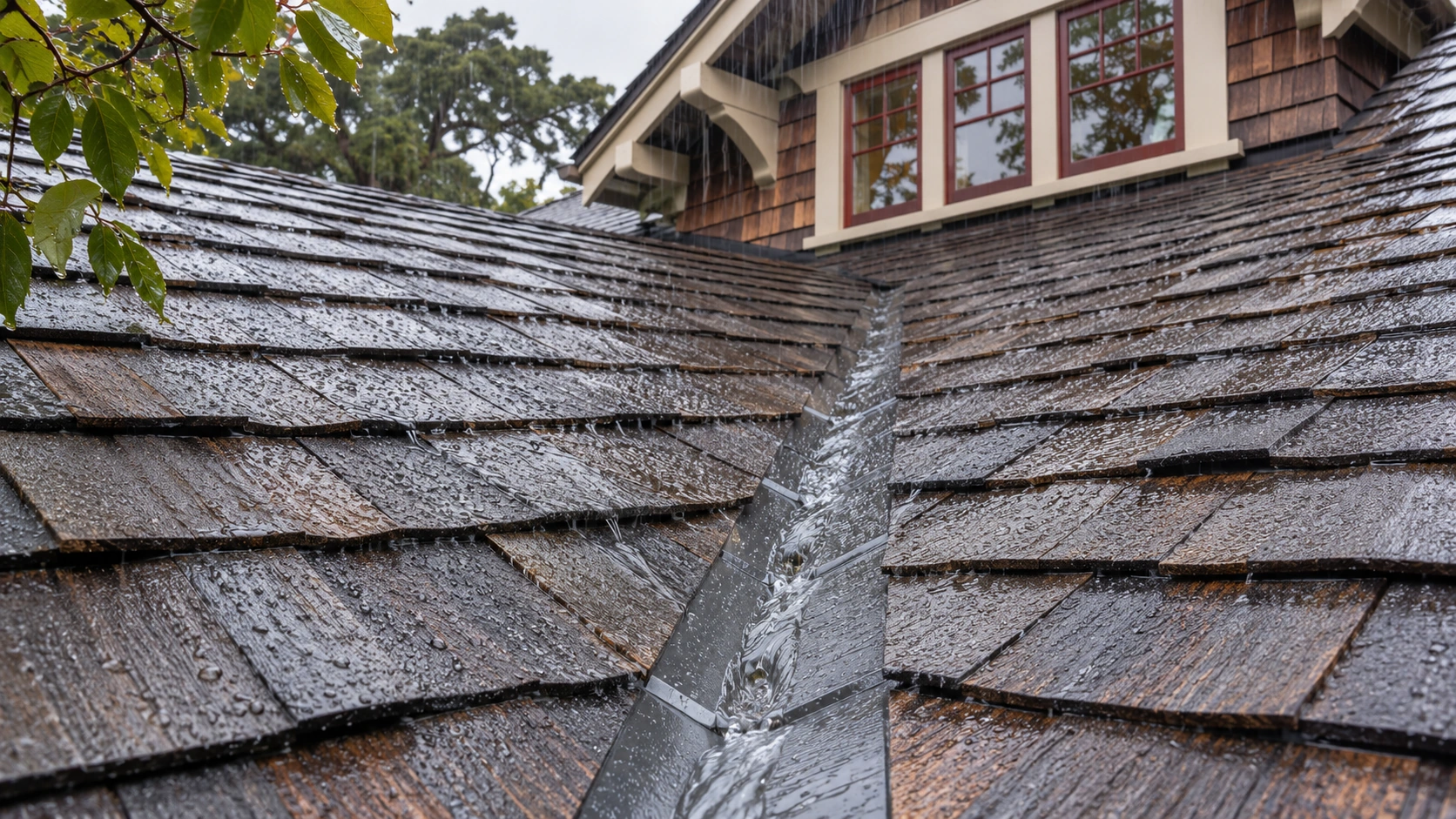
Berkeley · Roof Repair Advice
Berkeley Roof Leak Repair: Why Does My Roof Leak Only During Heavy Rain?
Does your Berkeley roof leak only in heavy rain? Learn what rainfall patterns, flashing and drainage observations can tell a roofer about the problem.
Read the guide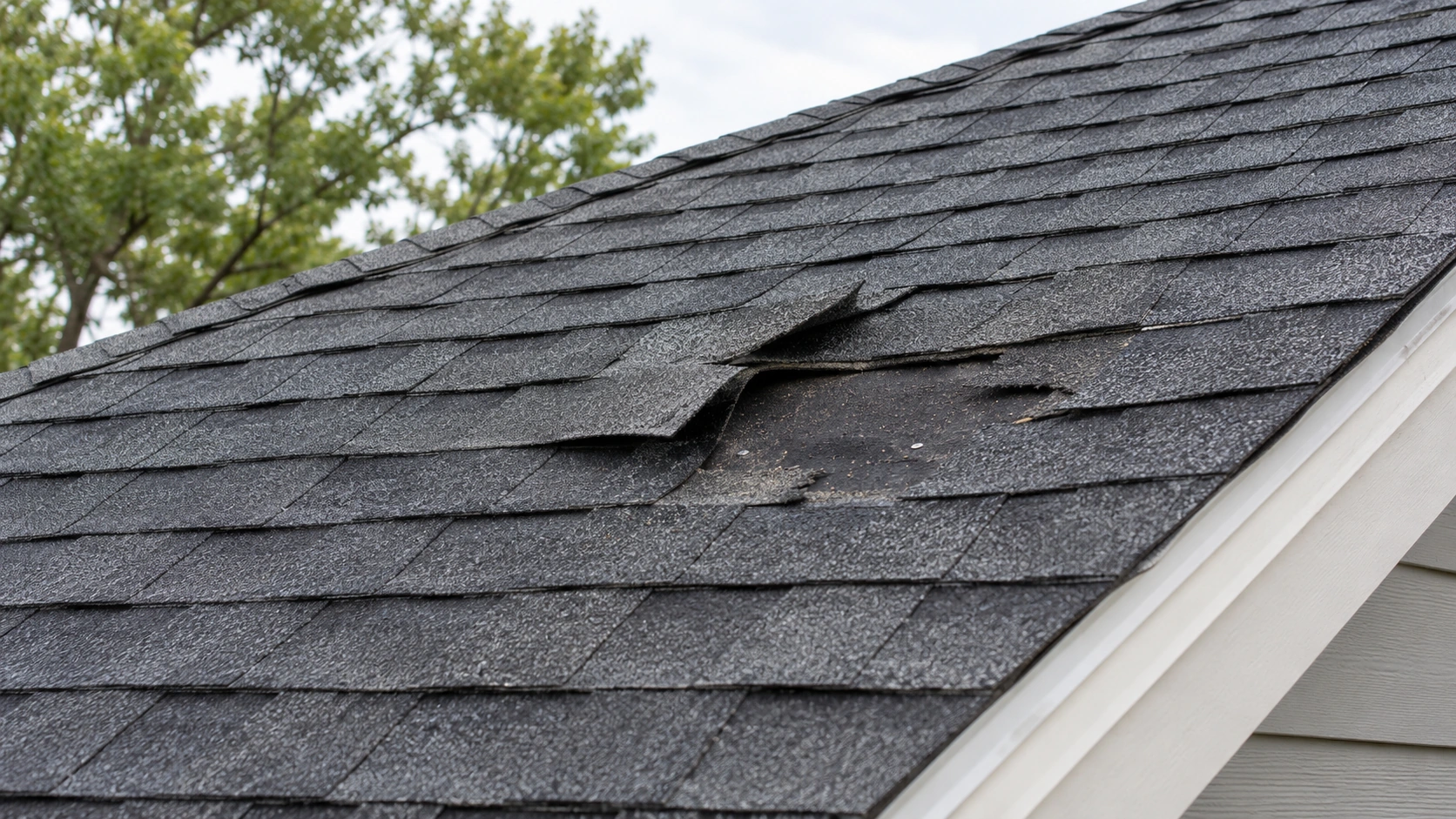
Alameda · Roof Repair Advice
Alameda Roof Repair: Can Wind-Damaged Shingles Be Repaired Without Replacing the Roof?
Understand when wind-damaged shingles on an Alameda home may be repairable and what a roofer should assess before recommending full replacement.
Read the guide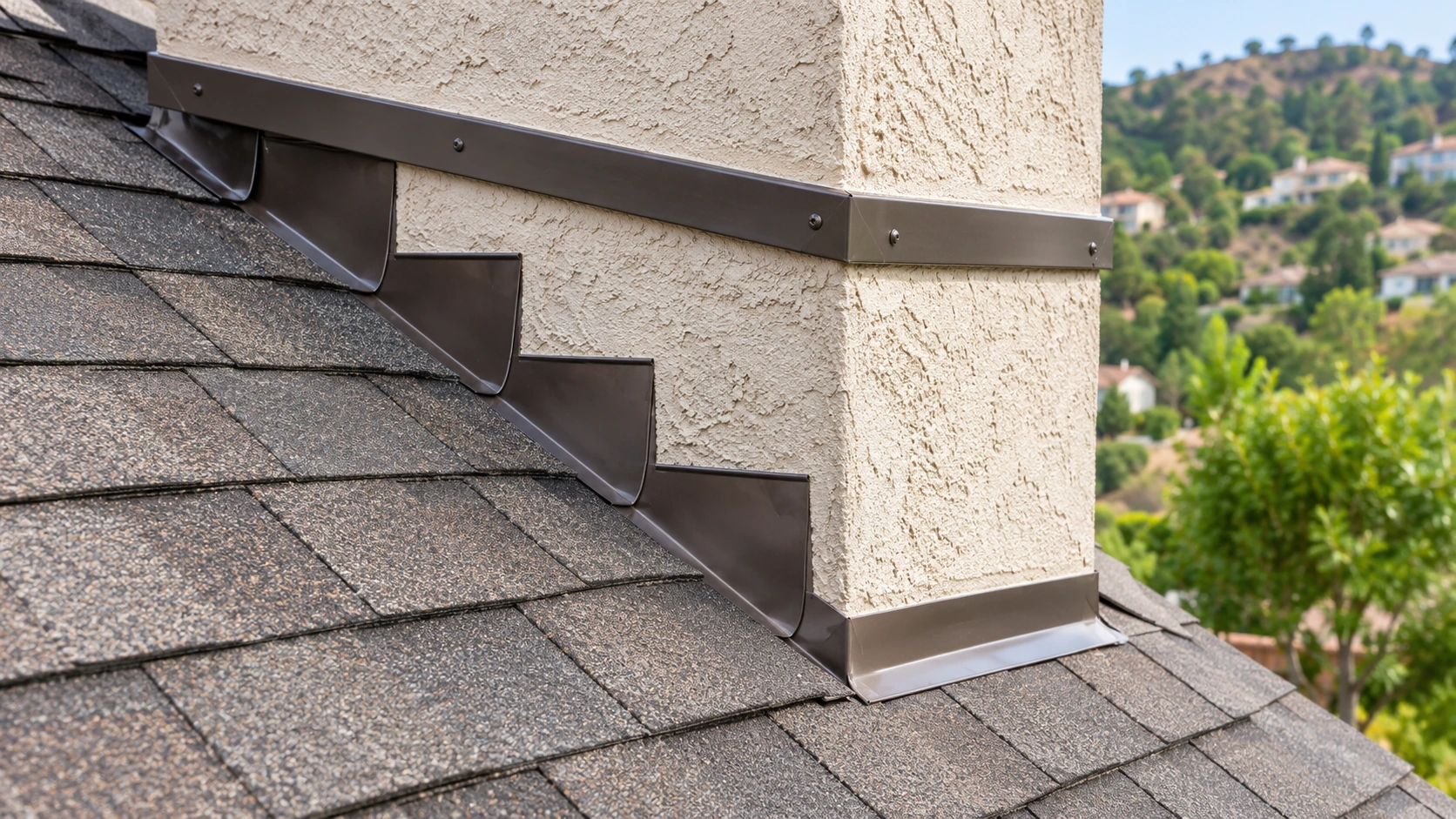
Castro Valley · Roof Repair Advice
Castro Valley Roof Repair: How Can I Tell Whether Roof Flashing Is Causing a Leak?
Learn how flashing relates to roof leaks in Castro Valley and which observations help a roofer investigate chimneys, walls and roof penetrations.
Read the guide