
Residential Roof Repair · Castro Valley
What is the short answer?
Start with the observed condition
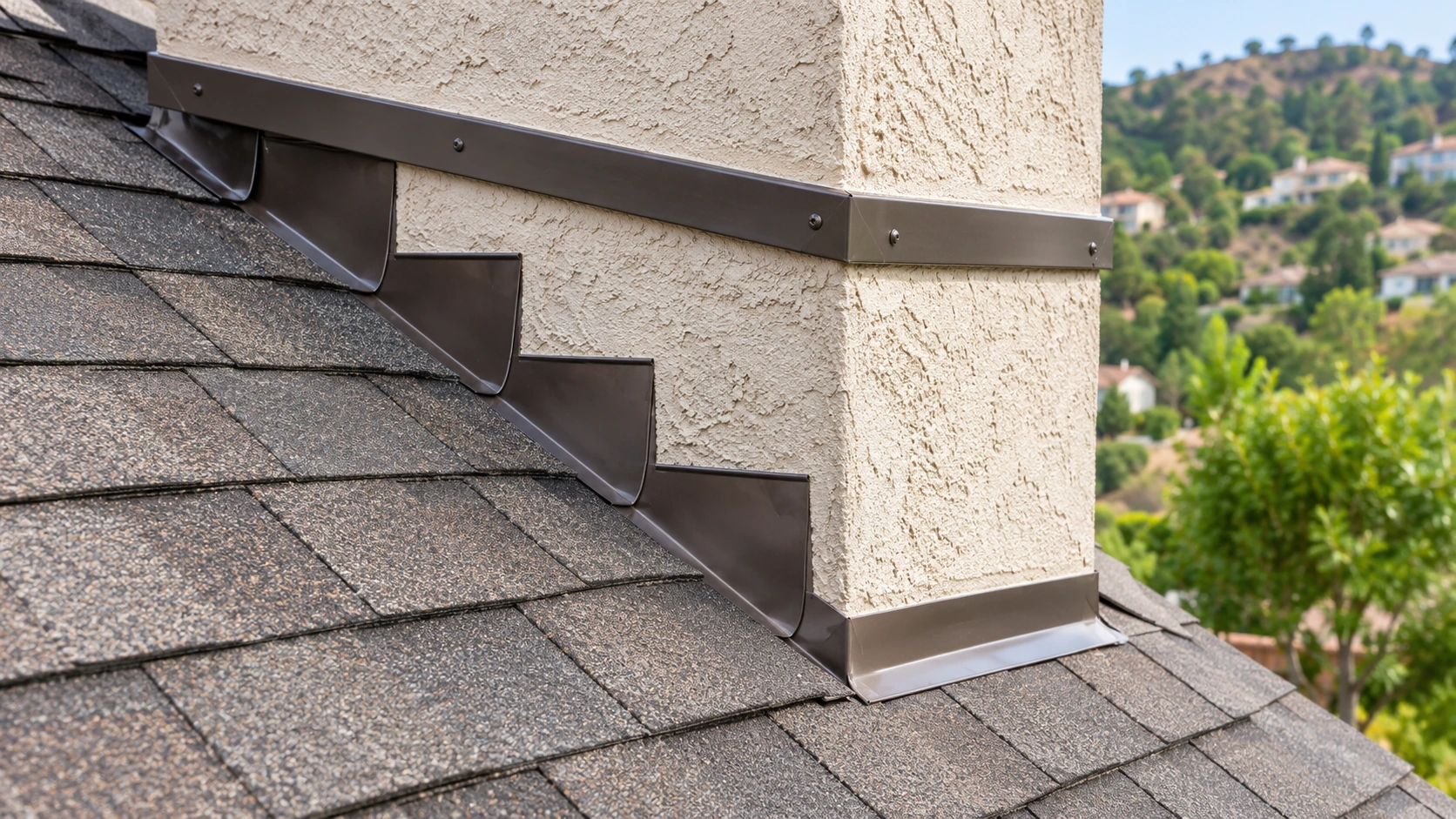
Flashing may be involved when a leak occurs near a chimney, roof-to-wall junction or roof penetration, but the indoor stain location cannot confirm it. A roofer needs to assess the transition, its integration with surrounding materials and other possible water-entry paths.
Roof flashing is easy to overlook until water appears near a chimney or wall. On a Castro Valley home, a leak in that area can lead a homeowner to request sealant immediately. A better starting point is to ask how the transition is supposed to shed water and what evidence shows that it is failing. That keeps the repair connected to the roof assembly rather than to the nearest visible joint.
Banner Roofing offers roof leak detection within its listed East Bay coverage. The Castro Valley roofing contractor guide explains how to compare the service fit and written scope.
Residential Roof Repair · Assessment
What does flashing do on a residential roof?
Understand the transition rather than a single metal piece
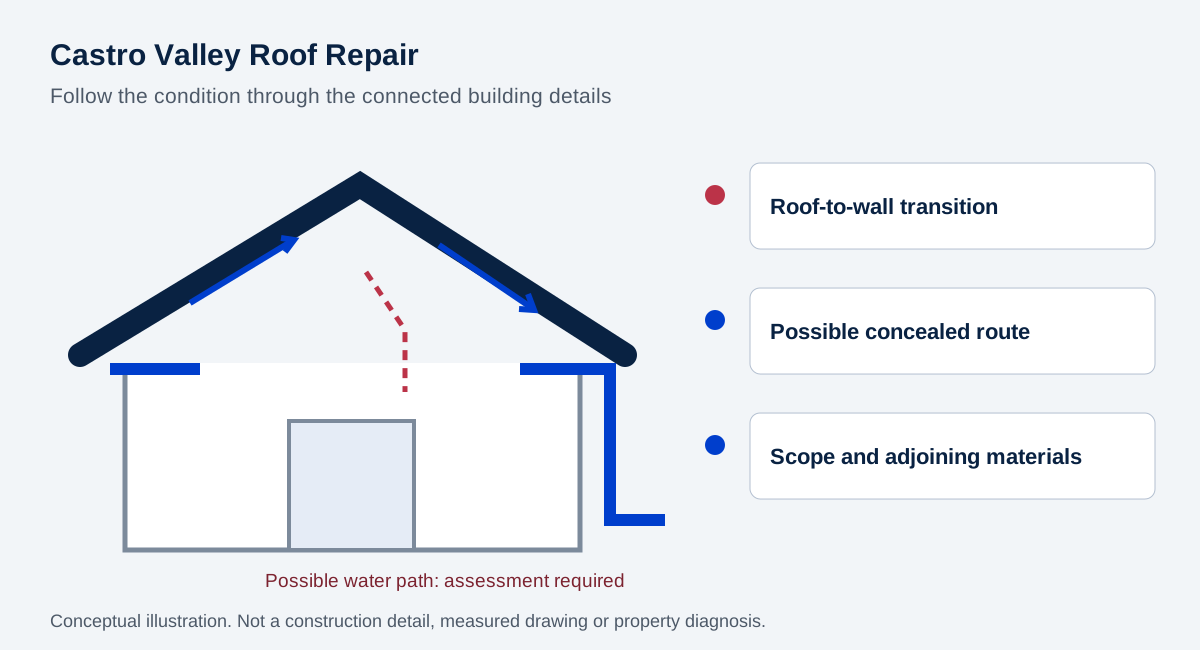
Flashing helps manage water where roof surfaces meet walls, chimneys, penetrations and other transitions. Its performance depends on how it is arranged with the surrounding roof and wall materials. A visible metal edge is only part of that detail. The assembly must provide a route for water to move outward rather than into the building.
Ask the contractor to explain the relevant transition using photographs or a simple sketch. On a roof with multiple material changes, different flashing details can serve different purposes. Do not assume a detail appropriate at one location is suitable everywhere else. Knowing which junction is being assessed makes the written repair scope easier to understand.
Residential Roof Repair · Observation
Which observations suggest flashing should be checked?
Use the stain location as a lead, not a verdict
A stain near a chimney, a ceiling-to-wall junction or a roof penetration is worth reporting. Also mention whether the symptom changes with wind direction and whether an earlier repair was made at the same transition. Those observations can help organize an assessment, but water can travel before it appears indoors. A nearby roof detail is not automatically the source.
Photograph exterior conditions from the ground and indoor stains from a safe location. Report visibly displaced material or a new gap if you can see one clearly. Do not climb onto a roof to lift shingles, remove tiles or probe flashing. That can create new damage and still leave the concealed part of the assembly unexplained.
Residential Roof Repair · Service options
Could the chimney or wall be the source instead?
Consider adjoining materials
Water near a chimney can involve more than the roof flashing alone. The adjoining wall or chimney materials and their transitions may also need review. Ask which possible paths the contractor has considered and whether another specialist is needed for conditions outside the roofing scope. A complete explanation distinguishes roof observations from masonry, wall or other building concerns.
If the diagnosis remains uncertain, request a plan for the next assessment rather than a confident guess. Describe any moisture that appears when it is not raining as well, because timing may change which possibilities need consideration. The purpose of leak detection is to narrow the cause enough to support useful work, not to assign every nearby condition to roofing.
| Observation | Question to ask | Important distinction |
|---|---|---|
| Stain near chimney | Review roof and chimney interfaces | The stain does not identify the source |
| Leak changes with wind | Record the side and weather pattern | Location alone is not a confirmed diagnosis |
| Earlier surface sealing | Share repair records and response | More surface material may leave the actual path unresolved |
| Tile or shingle access | Clarify removal and replacement allowances | Covering damage and flashing failure are different findings |
Residential Roof Repair · Repair scope
Will adding sealant around flashing fix the leak?
Ask how the proposed method addresses the failed detail
A surface application may have a role in a compatible roof detail, but it should not be assumed to replace correct integration with adjoining materials. Ask what has failed and why the selected treatment is appropriate. A broad coating over a visible joint does not, by itself, explain how water will be directed out of the assembly.
Where earlier sealing has not stopped the symptom, share that repair history. The contractor may need to assess concealed interfaces or remove a limited area to understand the transition. Ask how removal, replacement and any additional findings will be handled. A durable repair decision should have a reasoned scope, even when the finished work looks small.
Residential Roof Repair · Planning
How do shingle and tile roofs affect flashing repair access?
Plan for the surrounding roof material
Access to flashing can require handling the roof covering around it. The condition and type of that covering may influence the repair boundary, available materials and risk of disturbing adjacent areas. Ask how nearby shingles or tiles will be protected and what replacement allowances are included if existing materials cannot be reused.
For a tile roof, a broken tile and a flashing problem are not interchangeable diagnoses. For a shingle roof, a visible edge issue may extend into a concealed transition. Describe the symptom and let the assessment establish the appropriate service path. This guide concerns flashing investigation, while the existing Castro Valley tile repair guide addresses a different material-focused question.
Residential Roof Repair · Follow-up
What should I ask before approving a flashing repair?
Make the connection between cause and scope explicit
Ask which transition is implicated, what evidence supports that finding and what work is included. Request an explanation of the roof and wall interfaces that will be opened or disturbed. If the proposal excludes masonry, wall repairs or interior restoration, have those limits stated clearly so you can arrange the right follow-up without assuming everything is covered.
Keep the estimate, assessment photographs and previous repair notes together. After work, record any recurrence with the date and weather conditions. A good follow-up conversation can refer to the same transition and symptom instead of starting again with a vague report that the roof leaks. Call Banner Roofing to discuss leak detection and roof repair options for your Castro Valley property.
Residential Roof Repair · Planning example
How should I discuss a leak that returns near the same chimney?
Use earlier work as evidence
A hypothetical Castro Valley homeowner might have invoices showing repeated surface sealing near a chimney while water still appears during wind-driven rain. Those records are useful, but they do not prove that every earlier repair failed or that the flashing is the sole source. Ask the next contractor to explain which interfaces need review and which remain uncertain.
The estimate should distinguish investigation from corrective work. Ask what happens if the roof transition is serviceable but an adjoining wall or chimney condition needs another specialist. That boundary helps prevent a roofing repair from being described as a complete solution to an unexplained building leak. Retain the earlier records so the assessment builds on what is already known.
Residential Roof Repair · Key takeaways
What should I take away before requesting help?
Keep the request specific to your property
For a Castro Valley property, explain any grade changes, narrow access or existing drainage connections relevant to the work. Those details vary from parcel to parcel. A useful scope identifies the actual roof or drainage arrangement, instead of assuming that every hillside or neighborhood property needs the same repair method.
For the wider decision, read East Bay Emergency Roof Repair: When Does a Roof Leak Need Urgent Attention?. East Bay Emergency Roof Repair: When Does a Roof Leak Need Urgent Attention?; Oakland Emergency Roof Repair: What Should I Do First When My Roof Starts Leaking?; Berkeley Roof Leak Repair: Why Does My Roof Leak Only During Heavy Rain?; Alameda Roof Repair: Can Wind-Damaged Shingles Be Repaired Without Replacing the Roof?.
When you contact Banner Roofing, describe the observed condition and ask what the initial assessment includes. Call 510.895.4433 or request a roofing estimate. Mike handles your estimate. Confirm availability, proposed work and any separate investigation directly; this guide does not promise an arrival time or diagnose a property from its city name.
Residential Roof Repair · Questions & Answers
Castro Valley Roof Repair Questions
Is every chimney leak a flashing failure?
No. Roofing, chimney materials and adjoining wall conditions may all need assessment. The indoor stain location alone does not identify the entry point.
Can I inspect flashing from the ground?
You can record visible changes safely from the ground, but concealed integration and attachment usually require a closer qualified assessment.
Does flashing repair mean replacing the whole roof?
Not necessarily. The repair boundary depends on the failed detail, access and surrounding material condition. Ask what supports the proposed scope.
Should old surface sealant be removed?
That is a method decision for the contractor based on the roof detail and compatibility. Ask how existing materials affect the proposed repair.
What should I say when requesting help?
Describe the stain location, when it appears, roof type if known and previous repairs. Ask about roof leak detection if the entry point is uncertain.
Related Roofing Guides

East Bay · Roof Repair Advice
East Bay Emergency Roof Repair: When Does a Roof Leak Need Urgent Attention?
Learn when an East Bay roof leak needs urgent help, what to report to a roofer and how temporary protection differs from a permanent repair.
Read the guide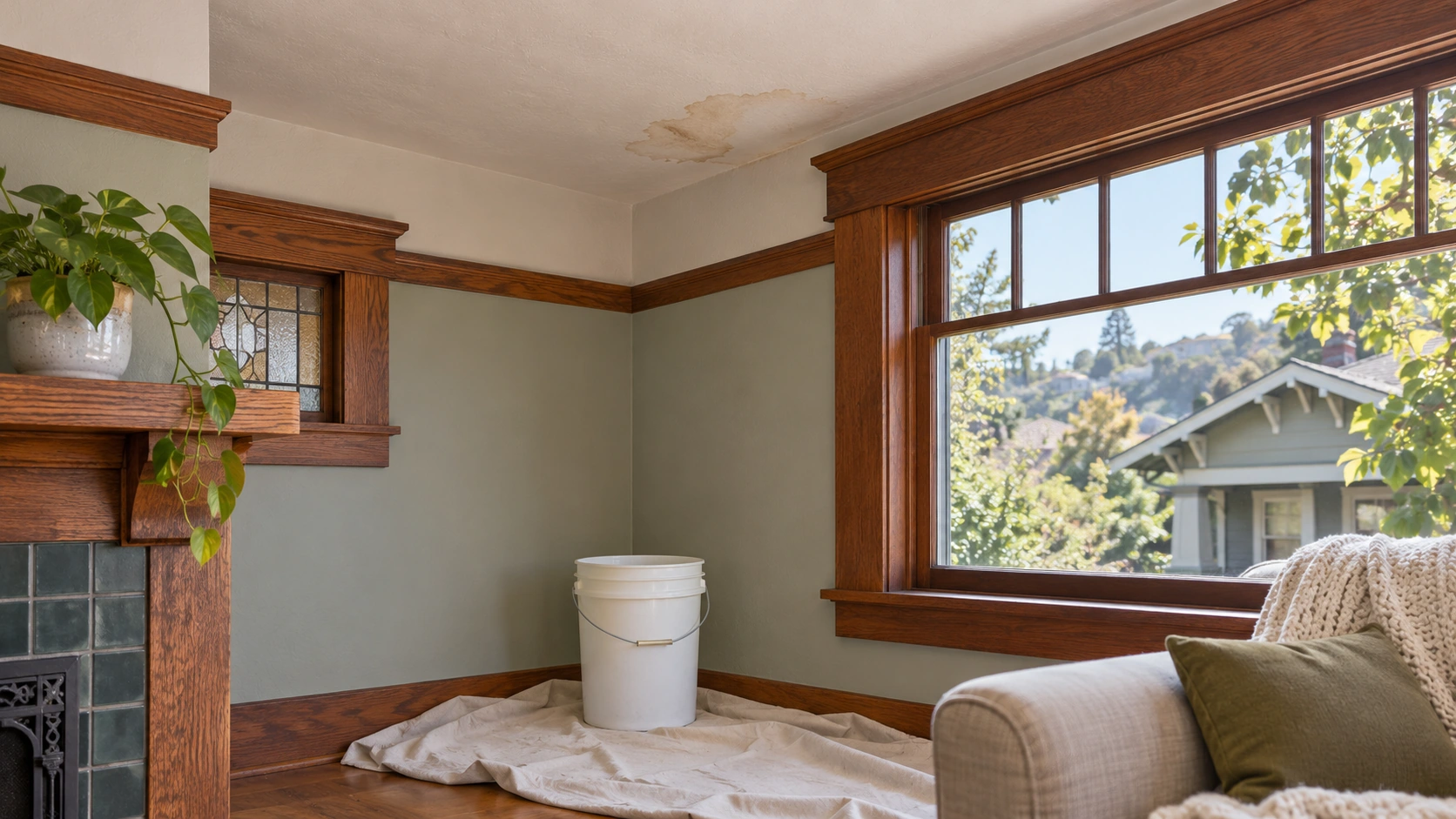
Oakland · Roof Repair Advice
Oakland Emergency Roof Repair: What Should I Do First When My Roof Starts Leaking?
An Oakland roof leak needs a clear first response. Learn what to report, how to protect belongings safely and what to ask before authorizing repairs.
Read the guide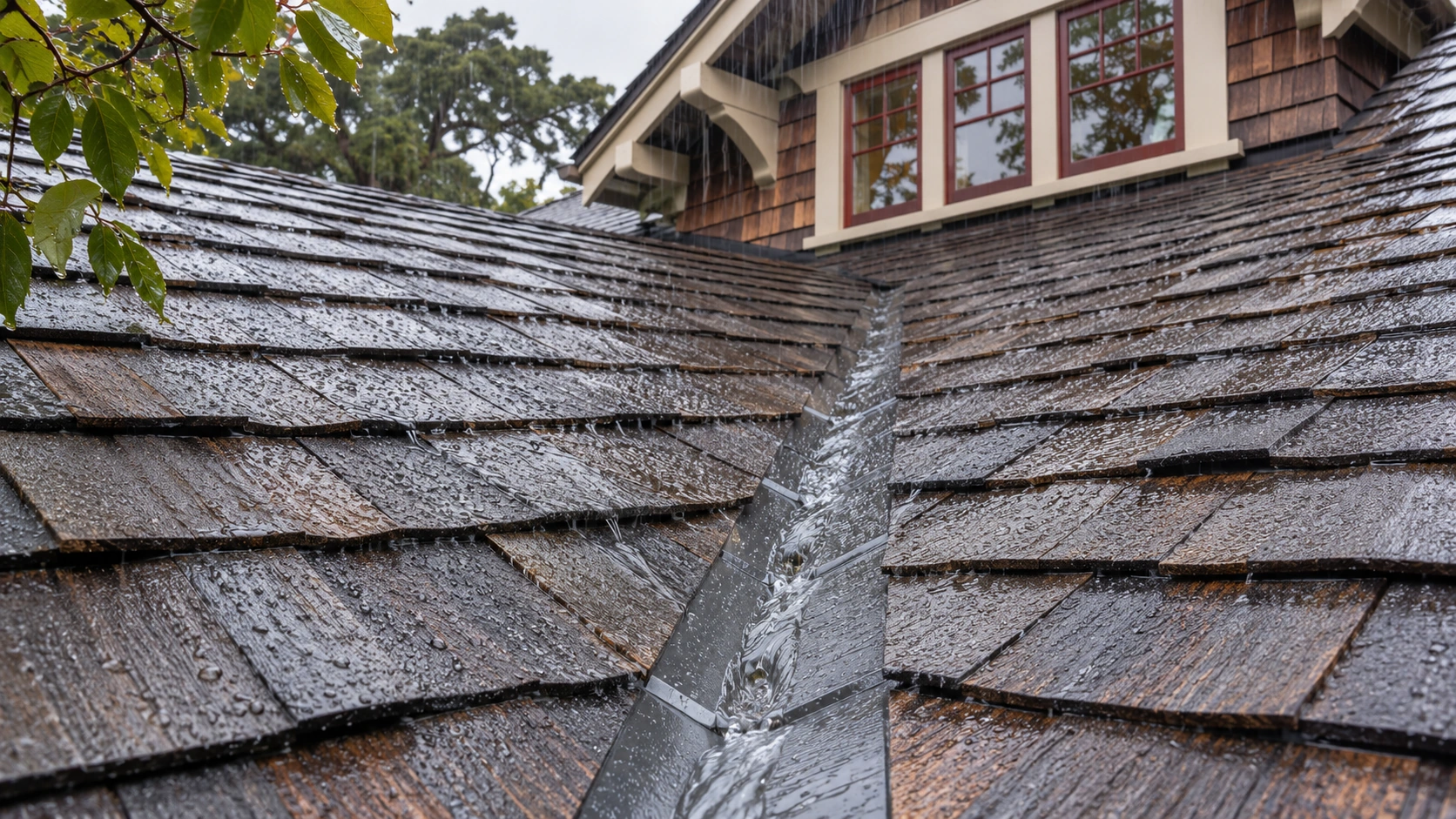
Berkeley · Roof Repair Advice
Berkeley Roof Leak Repair: Why Does My Roof Leak Only During Heavy Rain?
Does your Berkeley roof leak only in heavy rain? Learn what rainfall patterns, flashing and drainage observations can tell a roofer about the problem.
Read the guide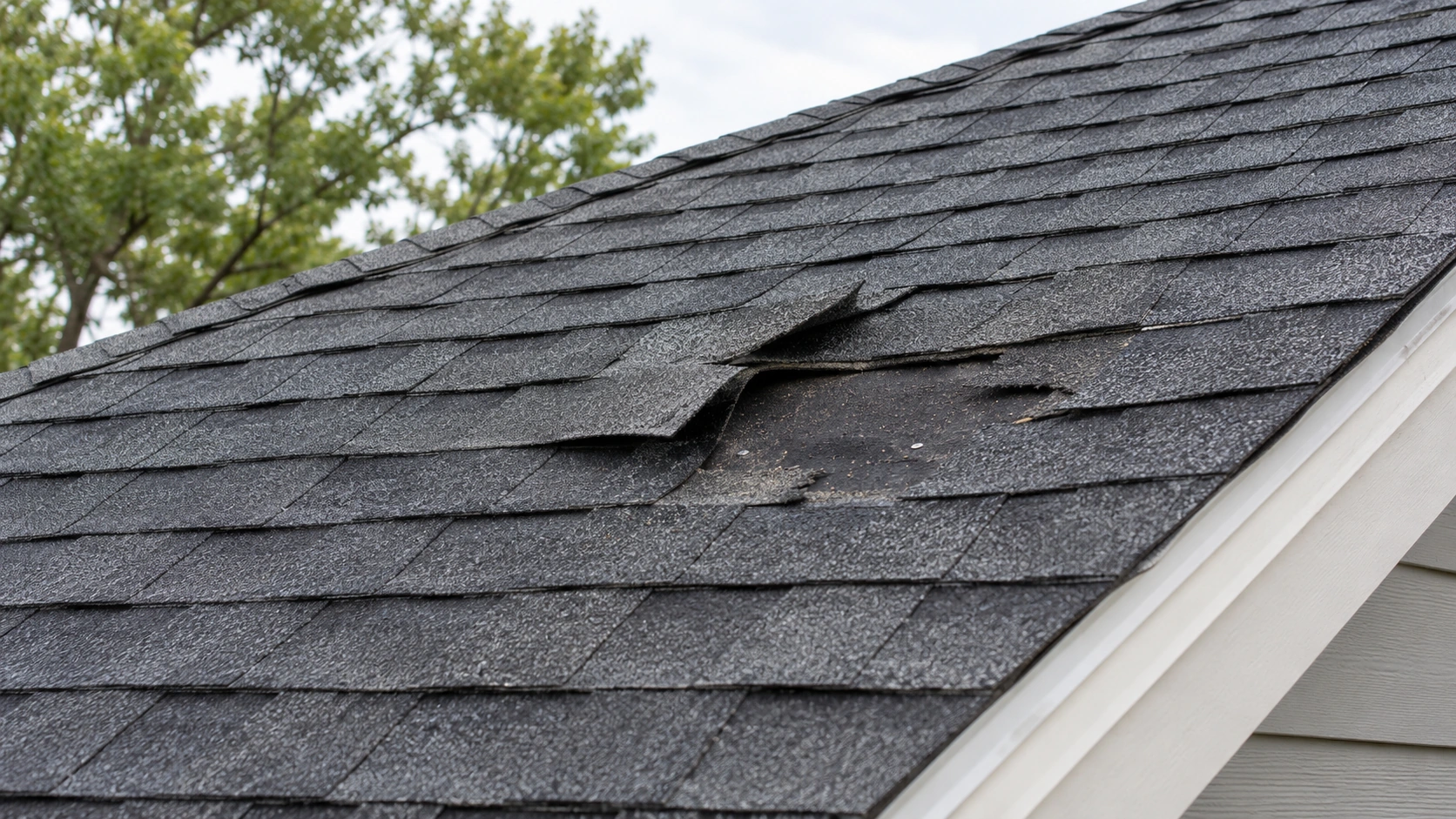
Alameda · Roof Repair Advice
Alameda Roof Repair: Can Wind-Damaged Shingles Be Repaired Without Replacing the Roof?
Understand when wind-damaged shingles on an Alameda home may be repairable and what a roofer should assess before recommending full replacement.
Read the guide