
Residential Roofing Advice · Castro Valley
A Damaged Tile Needs a Roof-System Assessment
The visible defect may be only part of the problem
A cracked, displaced or missing roof tile is a clear reason to ask questions, but it does not reveal everything happening beneath the covering. Water entry may involve underlying materials or transitions nearby. Conversely, a visible damaged tile does not prove that an indoor stain comes from that exact location. The repair discussion should connect the observations with evidence from the roof.
This guide is for homeowners considering roof repair in Castro Valley where tile damage is a concern. The broader Castro Valley contractor guide explains how to compare roofers. Here, the focus is what a tile repair should investigate, how the repair boundary is described and what questions remain after the work.
You can prepare useful information without climbing onto the roof. Record the visible concern from safe viewpoints, note any indoor symptoms and explain whether another contractor or earlier repair has recently involved the area.
Residential Roofing Advice · Initial observations
What Should You Report About Damaged Roof Tiles?
Describe the condition without diagnosing it
Tell the roofer whether a tile appears cracked, displaced or missing and where it sits relative to a recognizable feature of the house. Mention when you first noticed it and whether the appearance has changed. A marked ground-level photograph can be easier to interpret than several close-up pictures without context.
If water has appeared indoors, record the room, approximate location and timing. Explain whether it occurs during particular weather and whether the area has been repaired before. Your account does not need to identify the entry point. Its purpose is to help the contractor plan an assessment and ask the right questions.
Mention activity around the roof
Share information about recent equipment work, tree debris or another project that involved roof access. Describe what happened and when without assuming that it caused the damage. A timeline helps the assessment while leaving the cause to be determined from the findings.
Avoid walking on the tile covering to collect additional evidence. A roof assessment requires appropriate access and handling for the property. Ask the contractor how the area will be reviewed and provide the observations available from safe accessible locations. More photographs are not worth creating an additional roof or personal-safety concern.
Residential Roofing Advice · System condition
Why Should the Assessment Include More Than the Broken Tile?
Ask what protects the roof beneath the tiles
A tile roofing system includes components beneath the visible covering. Ask whether the reported concern warrants reviewing those components and the adjacent roof condition. The recommendation should explain whether the work is limited to a tile or also addresses underlying water protection.
If tiles need to be lifted to investigate, ask which area is included and how that work will be handled. Clarify what the contractor can establish before opening the area and what remains uncertain. This helps distinguish a defined repair from an investigation that may lead to a separate scope.
Include flashing and transitions where relevant
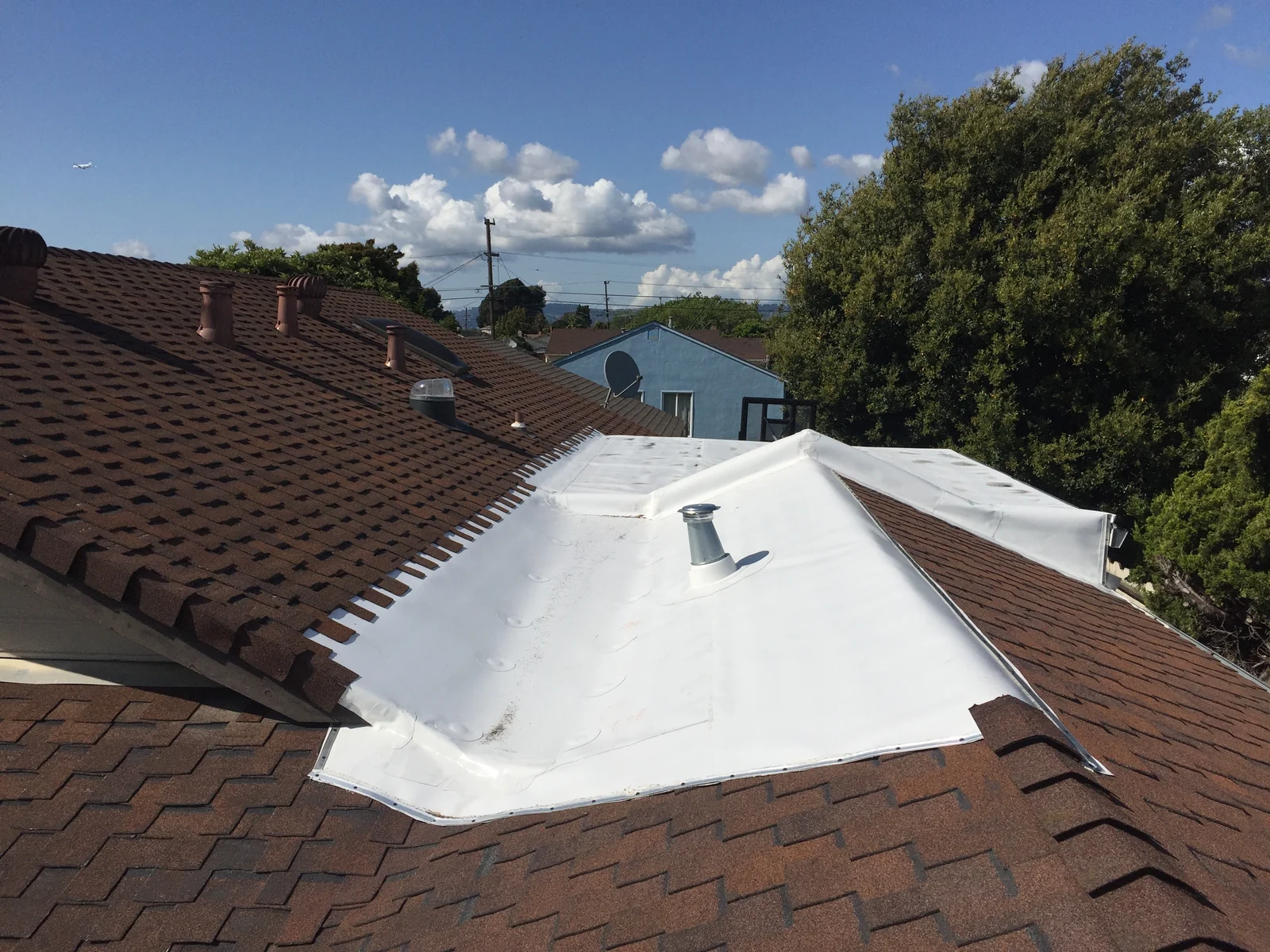
Roof-to-wall junctions, chimneys and other penetrations may need consideration when they relate to the symptom. Ask which nearby details were reviewed and whether the findings support including them in the repair. Do not assume that every leak involves the main covering or that every damaged tile requires flashing work.
When the cause is uncertain, discuss roof leak detection. Our residential leak-detection guide explains why water can travel before it becomes visible inside. Use that background to ask better questions about your Castro Valley roof rather than to select a repair location from the ceiling stain alone.

Residential Roofing Advice · Repair boundaries
What Should a Limited Tile Repair Include?
Identify the work area and retained materials
Ask which tiles and other components are included in the proposed repair. The scope should describe the affected area and explain what will remain outside it. If the contractor expects to retain existing tiles, discuss their condition and what will happen if additional damaged pieces are found during handling.
Ask about appropriate replacement materials and the possibility of a visible difference where a tile must be changed. Do not assume that a matching piece is readily available or that appearance alone determines suitability. The contractor should explain the actual proposed materials and their relationship to the existing system.
Separate known work from possible additional findings
Request a clear process for documenting unexpected conditions. Ask how photographs, an explanation and a revised proposal would be provided if the opened area shows a wider concern. A small visible defect may still require a more considered scope, but changes should be connected to evidence rather than left unexplained.
Keep the approved work boundaries in writing. This gives you a practical record if symptoms return later: which areas were investigated, which components were changed and what observations remain relevant. A short description such as repair tiles may not provide enough information to understand that history.
Residential Roofing Advice · Repair limits
When Should You Ask About Wider Roofing Work?
Discuss the surrounding condition
A repair recommendation should account for whether the surrounding roof can support a localized intervention. Ask whether the concern is isolated or part of a broader pattern. Repeated symptoms, deterioration in several areas or conditions beneath a larger portion of the covering may justify a wider discussion, but the explanation should be specific to the findings.
If roof replacement is proposed, ask what the broader work resolves that a limited repair would leave unanswered. The existing repair-versus-replacement guide helps organize that comparison. Roof age alone should not substitute for a discussion of your actual roofing condition.
Keep drainage concerns in their own scope
Tell the contractor if gutters overflow or water collects at a roof edge, but describe those observations separately from the tile damage. Roof and drainage concerns may need coordination without sharing the same cause. Ask whether the assessment found a connection and which work is recommended for each component.
If a downspout connection is damaged, the Castro Valley downspout repair guide covers a separate service discussion. Defining those boundaries helps prevent a tile-repair estimate from being treated as a promise to resolve every roof-edge or runoff concern.
Residential Roofing Advice · Choosing and recording work
How Do You Choose a Roofer and Follow Up After Repair?
Compare explanations and written scopes
Check relevant credentials and ask about experience with the kind of tile-roof assessment and repair proposed. Read reviews for descriptions of communication, clear recommendations and treatment of the property. The best roofer for your project is one who explains the findings and the scope in a way you can understand.
Compare proposals by work area, materials, tile handling, underlying components where relevant and cleanup. Clarify exclusions and any written terms before choosing. A low total for a smaller scope is not necessarily comparable with a proposal that includes diagnosis and work beneath the covering.
Keep the findings and next observations together
After work, retain the final scope, photographs and any maintenance recommendations. Record whether previously affected interior areas show a change during later rain from safe locations. Ask what symptoms should prompt another call and follow the actual care or follow-up instructions provided.
Contact Banner Roofing about damaged tiles at your Castro Valley home with the address, photos and roof history. The company lists Castro Valley within its service area. Ask about the assessment and available repair scope before deciding which materials or method should be used.
Residential Roofing Advice · Questions & Answers
Castro Valley Homeowner Questions
How do I find the best roofer near me for damaged tiles in Castro Valley?
Confirm service at your address and ask about tile-roof assessment and repair experience. Compare verified credentials and the written scope. Look for an explanation of the visible damage, surrounding condition and any underlying concerns. A contractor’s search position does not establish that its proposed repair fits your roof.
Can one cracked tile cause a leak?
A damaged tile is relevant, but the assessment should consider the system beneath and around it. Ask whether the findings connect the visible defect with the indoor symptom. Do not assume that changing the most obvious tile will resolve water entry without that explanation.
Can the damaged tiles simply be glued or coated?
Ask the contractor to explain a suitable repair method for the actual material and condition. A product promoted online may not address the cause or be appropriate for the system. The proposed method should follow the assessment and identify what it resolves and what remains outside the scope.
Does a tile repair require replacing the whole roof?
Not automatically. A limited repair may be practical when the defect and surrounding condition support it. A wider scope needs an explanation tied to the findings. Ask how localized work compares with replacement in terms of the concerns each would address and leave unresolved.
What if the leak returns after repair?
Keep the repair record and note when and where water appears again. Share the final scope, photographs and any changes in the symptom with the contractor. Ask what follow-up applies under the actual written terms rather than assuming that a returning stain proves either a new cause or a failed repair.
Should I climb onto a tile roof to photograph the damage?
No additional roof access is needed to make an initial inquiry. Provide safe ground-level views and interior observations. Tell the contractor what you cannot see and let the assessment establish the appropriate access and work area. You can give useful information without walking on the roof.
Related Roofing Guides
Castro Valley · Contractor Guide
Castro Valley Roofing Contractor: How Do I Choose the Best Contractor for Tile Roof Repairs?
Find a Castro Valley roofing contractor for tile roof repairs by comparing assessment findings, underlying components, written scopes and the estimate process.
Read the guide
Castro Valley · downspout repair
Castro Valley Downspout Repair: How Do I Choose the Best Contractor for a Leaking Connection?
A leaking downspout connection needs a clear diagnosis and repair scope. Learn what Castro Valley homeowners should record and compare before hiring help.
Read the guide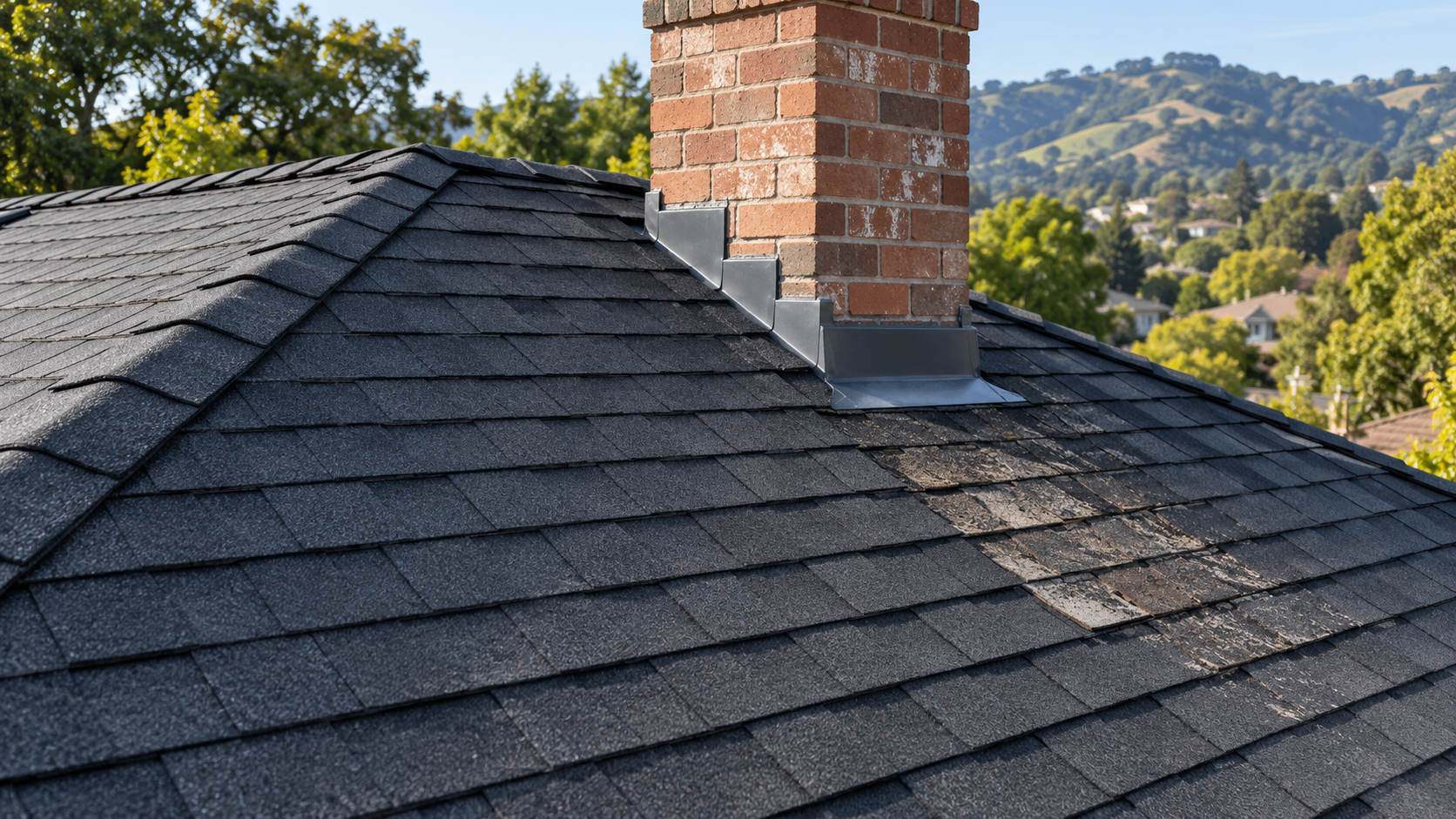
East Bay · Roofing Decisions
Should I Repair or Replace My Roof in the East Bay?
Compare roof repair and replacement in the East Bay. Learn which signs to discuss, what an assessment should cover and how to compare estimates.
Read the guide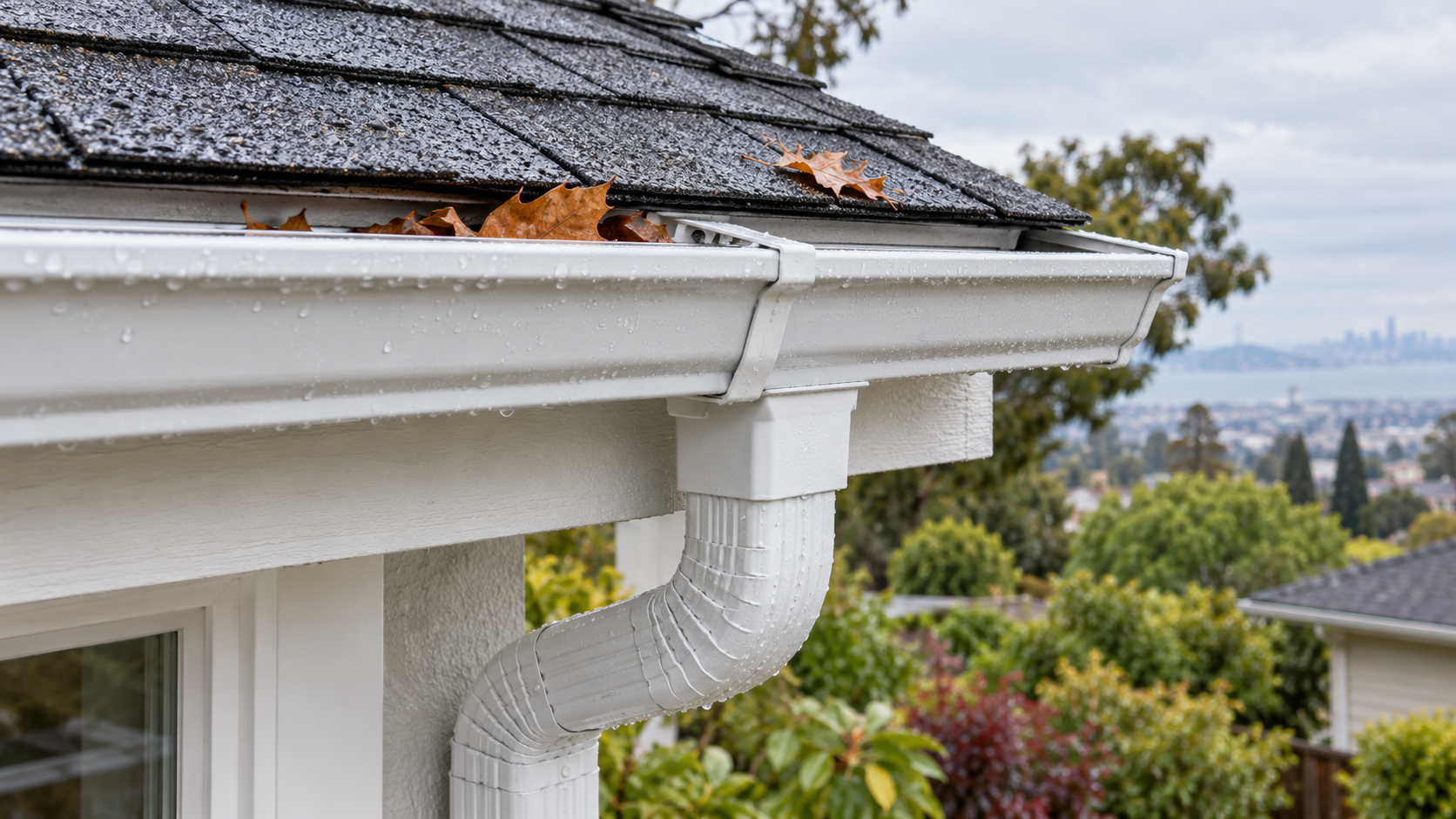
Oakland · Roof Maintenance
How Do I Prepare My Oakland Roof and Gutters for Rain?
Prepare your Oakland roof and gutters for rainy weather. Review visible warning signs, drainage concerns and questions to ask before scheduling maintenance.
Read the guide