
Residential Roofing · Oakland
Choose a New-Roof Installer Around the Project You Are Building
A new roof starts before the shingles or tiles arrive
The best roofing contractor for a new installation is the one whose experience, proposed system and coordination fit your project. A new home or addition creates questions about roof design, the supporting construction and the sequence of work. Choosing a roof covering is only one part of that decision. The written scope should explain how the roof will become a connected weather-protection system.
This guide concerns new roof installation, including new roof areas on an addition. Replacing the covering on an existing roof belongs in a separate roof replacement conversation. If your Oakland project includes both, ask for the boundaries to be identified so that prices, responsibilities and unknown conditions remain understandable.
Use the Oakland roofing contractor guide for broader hiring questions. Here, the focus is the practical work of planning and comparing a new installation, especially where the new roof meets an occupied home.
Residential Roofing · Project definition
What Should You Define Before Requesting a New Roof Estimate?
Give every contractor the same starting information
Begin with the property address, drawings available for pricing and a clear description of what is being built. Explain whether the work involves a detached structure, an addition or a new home. Identify who is responsible for the overall building project and who will make roofing decisions. A preliminary conversation based on an incomplete sketch should not be mistaken for a final installation specification.
Ask the roofer which information is still needed before a firm scope can be prepared. Roof geometry, slope, penetrations, supporting construction and access can affect the proposed system and work sequence. If plans change, request an updated scope rather than assuming the original price covers a different design. For an addition, provide any information about the existing roof material and previous leaks so that the connection can be discussed early.
Residential Roofing · System selection
How Should a Contractor Explain the Complete Roofing System?
Compare the layers and connections, not just the finish
Ask how the proposed covering relates to the roof design and the manufacturer’s installation requirements. A meaningful explanation addresses the components beneath the visible surface, protection at roof edges and detailing around penetrations. The contractor should identify which products are proposed and why they belong together. Color samples and a product brochure are helpful, but neither establishes the complete installed scope.
If you are considering shingle roofing or tile roofing, discuss suitability using your actual plans. Do not assume that different coverings can be exchanged without reviewing the building design. Ask who will resolve any questions involving the supporting structure. Obtain actual written product and workmanship terms rather than assuming that an advertised product warranty covers every installation detail.
Residential Roofing · Existing-home connections
Why Does an Addition Need Careful Roof Tie-In Planning?
Make the old-to-new boundary visible in the proposal
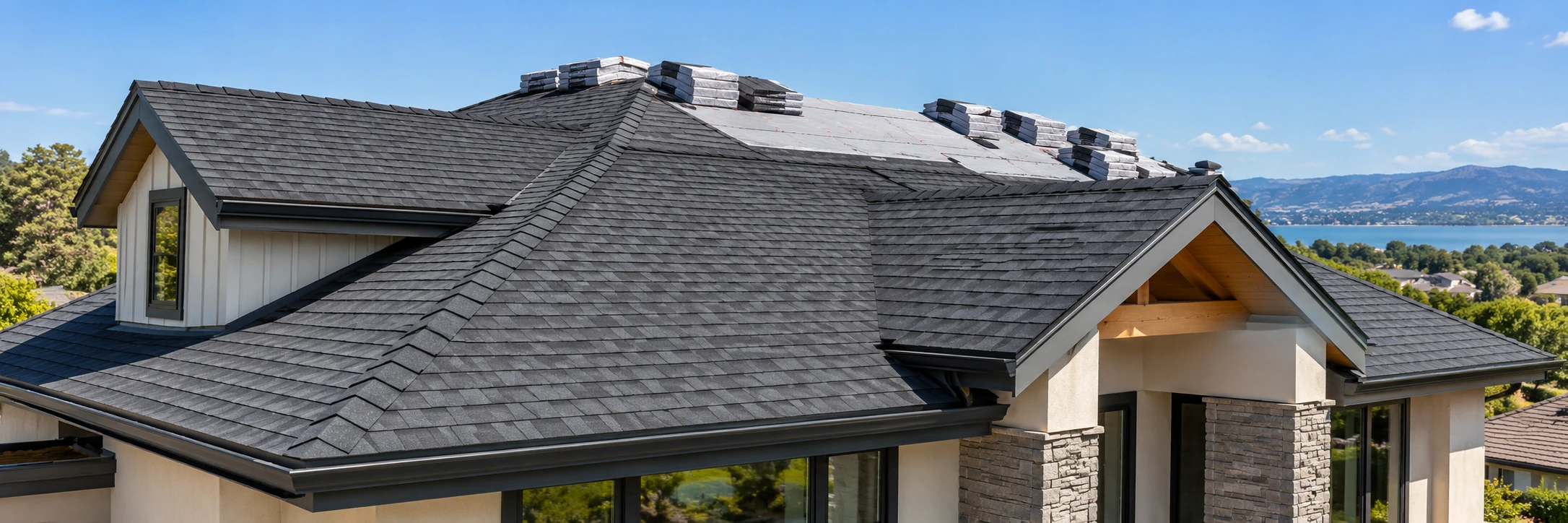
An addition can introduce new valleys, wall intersections or changes in roof direction. Those transitions need a defined approach to water protection. Ask which existing components must be opened, retained or replaced to complete the connection. A proposal that only describes the square footage of the new covering may leave the most important intersection unexplained.
Discuss how the occupied part of the home will be protected while the connection is made. Ask what temporary protection is planned and how unexpected deterioration at the existing edge would be documented. If earlier water intrusion is present, separate that investigation from the new construction scope. The Oakland roof repair guide explains why a visible symptom needs assessment before a repair method is chosen. New work should not conceal an unresolved concern without a clear discussion.
Residential Roofing · Project coordination
Who Coordinates Roofing With the Other Work on the Property?
Agree on responsibilities before materials are delivered
A new roof may depend on framing completion, roof-deck readiness and the placement of penetrations by other trades. Ask who confirms that the roof is ready for installation and who communicates later changes. Work completed after the roof is installed can affect newly finished details, so the project team needs an agreed process for access and protection.
Review material staging, driveway use, waste removal and the route workers will use. Explain any shared access, occupied rooms or areas that need to remain available. Ask who will confirm applicable approvals and required inspections with the appropriate local authority. The Oakland roofing resource hub provides a starting point for local planning links. Confirm the requirements for your specific project rather than relying on an estimate or an online article as approval to proceed.
Residential Roofing · Proposal review
What Should You Compare in Written Installation Estimates?
Separate included work, allowances and exclusions
Compare the same roof areas and system components across proposals. Look for the proposed covering, underlying protection, flashing details, edge work, ventilation responsibilities where relevant, cleanup and disposal. Ask whether gutters or downspouts are included or separately priced. A roof installation and a drainage installation are related scopes, but their relationship does not mean both are automatically included.
Find out how changed drawings, concealed conditions at an existing tie-in and work outside the original scope will be approved. Ask how additional findings will be photographed or described before you authorize a change. Keep a copy of the accepted proposal and any revisions with the project drawings. The existing roof repair and replacement guide offers a useful comparison framework for the existing portion of the home, while your new installation proposal should remain specific to the construction being added.
| Review item | What to confirm |
|---|---|
| Design basis | Which drawing revision and roof areas are priced? |
| System components | Which covering, underlayment and transition details are included? |
| Tie-in | What existing roof work is necessary to make the connection? |
| Coordination | Who handles readiness, access, approvals and other trades? |
| Changes | How are revised plans or additional findings authorized? |
Residential Roofing · Completion and care
What Should You Receive When the New Roof Work Is Finished?
Build a useful record from the first day of service
Ask for the final scope, product information, applicable written terms and any recommended care instructions. Where work differs from the original proposal, keep the approved change records too. Photographs of completed details can help future conversations, especially around the new-to-existing connection. Confirm who will answer questions after the building project moves to another stage.
Record the installation date and subsequent work near the roof. If another trade later adds equipment or changes a penetration, retain those details with the roof documents. Discuss an appropriate maintenance approach for the installed system instead of assuming that a new roof needs no attention. To begin, contact Banner Roofing with your Oakland project plans, the construction stage and the areas you need priced. A useful first conversation establishes the available scope and the information still needed for an installation proposal.
Residential Roofing · Questions & Answers
Oakland New Roof Installation Questions
Who is the best roofing contractor near me for a new roof installation?
Look for a contractor whose relevant installation experience, communication and written scope fit your plans. Verify qualifications and review genuine references or examples when available. Ask Banner Roofing to discuss your Oakland property and confirm the proposed service scope. A near-me search is a starting point, not evidence that a particular contractor is best for every project.
Is new roof installation the same as roof replacement?
Not in the way this guide uses those terms. New installation concerns a new roof area, such as a new home or addition. Replacement concerns an existing roof. Some projects include both, so ask for separate descriptions of the new construction and the work needed on the original structure.
Should an addition use the same roofing material as the existing home?
Appearance matters, but suitability depends on the design, existing condition and system requirements. Ask which matching options are available and whether the old-to-new connection needs additional work. A visual match should not replace a discussion of the roof construction and the components required beneath the covering.
Can I get an installation price before the plans are finished?
You can ask what information is needed for a preliminary discussion, but incomplete plans can leave significant assumptions unresolved. Ask whether a figure is preliminary, what it assumes and what would require revision. A final accepted scope should identify the design and roof areas that the contractor is pricing.
Do gutters come with a new roof installation?
Only if the accepted scope says so. Discuss roof-edge drainage and whether existing gutters are being retained or new components installed. Ask for any gutter or downspout work to be identified separately so that responsibilities and pricing remain clear.
How do I prepare for the first roofing conversation?
Provide the address, available drawings, project stage and contact details for the person coordinating construction. Describe any occupied areas, access constraints and planned roof penetrations. If the work connects to an existing roof, include what you know about its material, condition and repair history.
Related Roofing Guides
East Bay · Roofing Decisions
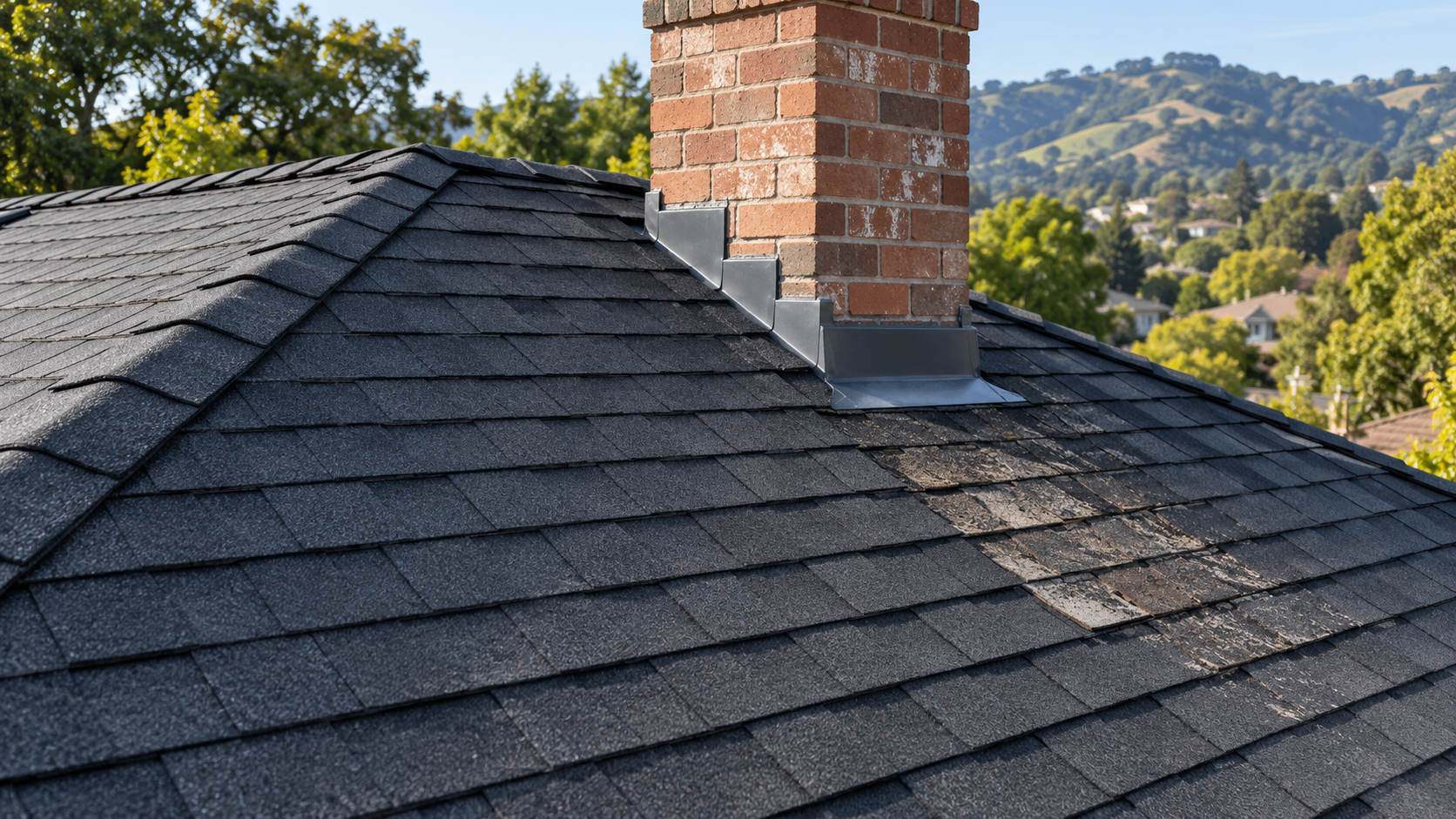
Should I Repair or Replace My Roof in the East Bay?
Compare roof repair and replacement in the East Bay. Learn which signs to discuss, what an assessment should cover and how to compare estimates.
Read the guide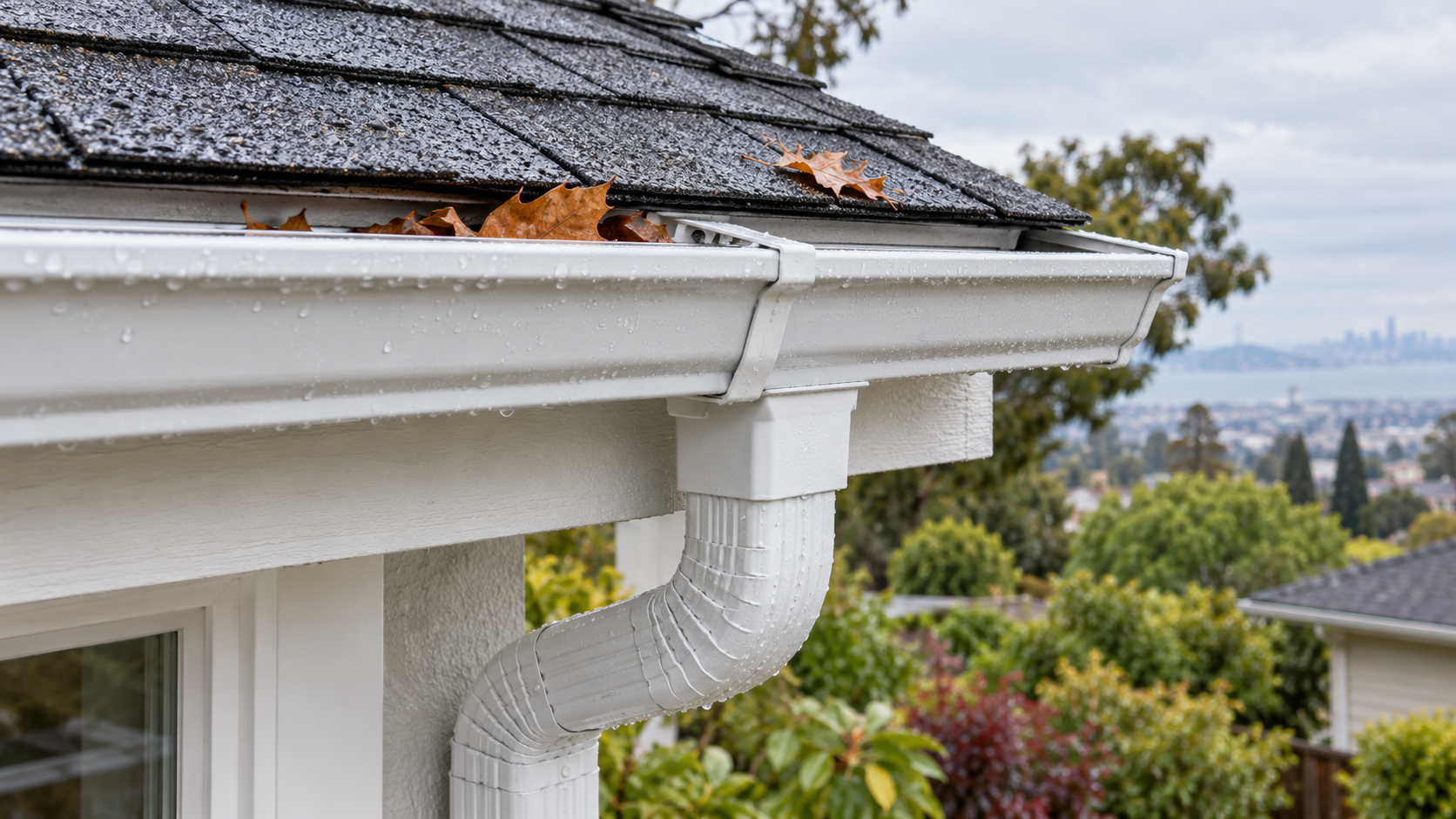
Oakland · Roof Maintenance
How Do I Prepare My Oakland Roof and Gutters for Rain?
Prepare your Oakland roof and gutters for rainy weather. Review visible warning signs, drainage concerns and questions to ask before scheduling maintenance.
Read the guide
Oakland · Contractor Guide
Oakland Roofing Contractor: How Do I Choose the Best Contractor for Roof Repairs and Gutter Work?
Choosing an Oakland roofing contractor? Compare repair findings, gutter scope, written estimates and local service coverage before choosing a roofer for your home.
Read the guide