
Roof replacement · Oakland
What is the short answer?
Start with the roof and the proposed work
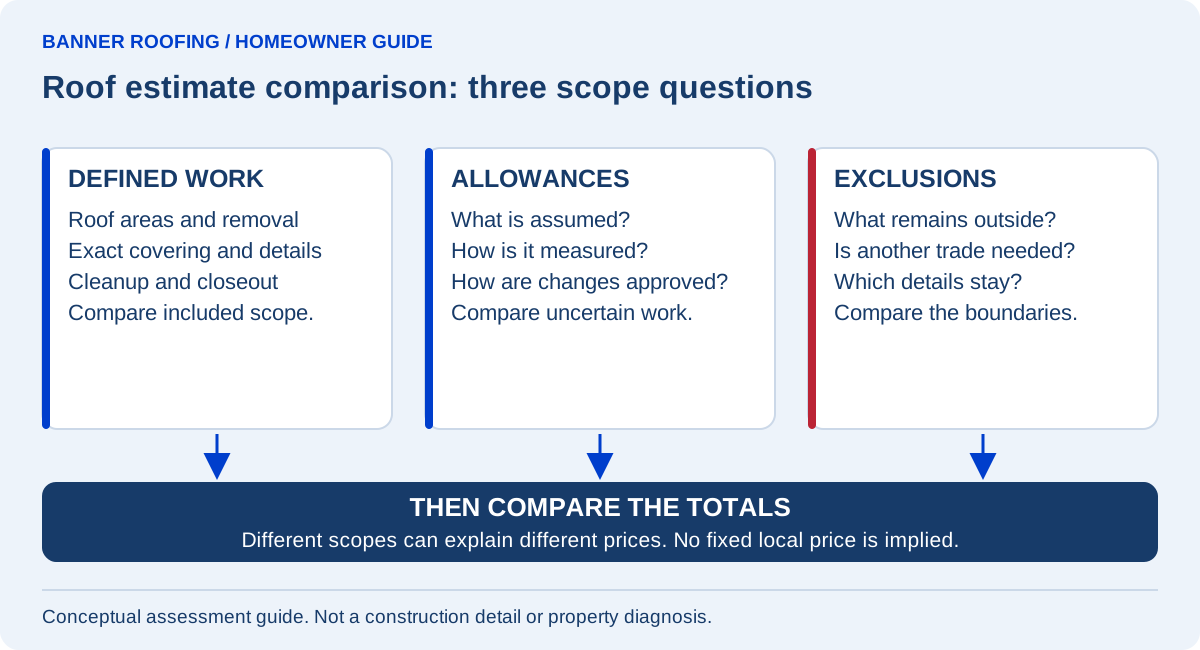
Roof replacement estimates can differ because they cover different roof areas, materials, preparation, related components and assumptions about concealed conditions. Before comparing the totals, compare the written work. A higher price needs an explanation, while a lower price should not be assumed to include everything shown in another proposal.
An online average cannot tell you which of two proposals is appropriate for your home. It may not describe the same material, roof geometry, access or supporting work. A more useful comparison starts with the assessment, then follows each recommendation into the estimate. The aim is to find differences that explain the total rather than to guess a fair price from a single headline number.
This guide supports a property-specific Oakland roof replacement discussion. It does not quote Banner rates or estimate what your project will cost. For the decision to repair or replace, read the East Bay comparison guide. For local hiring questions, start with the Oakland roofing contractor guide, then compare the actual proposals for your address.
Roof replacement · Project planning
Are both estimates describing the same roof and project?
Establish the comparison before judging the totals
Check which roof areas are included, whether additions or lower roof sections are part of the work and how retained areas are described. A short estimate may use a phrase that sounds comprehensive while leaving the boundary unclear. Ask each contractor to identify the covered areas in a way you can relate to your property, rather than assuming the address alone defines the scope.
Also check the purpose of the recommendation. One proposal may address a particular replacement area while another includes wider roofing work. Ask why each scope was selected and what findings support it. The cost comparison becomes more useful when the roof areas, material choice and intended outcome are aligned. If they cannot be aligned, write down the differences before deciding which total meets your goals.
Roof replacement · Project planning
How can roof shape and access affect the proposed work?
Describe the actual property conditions
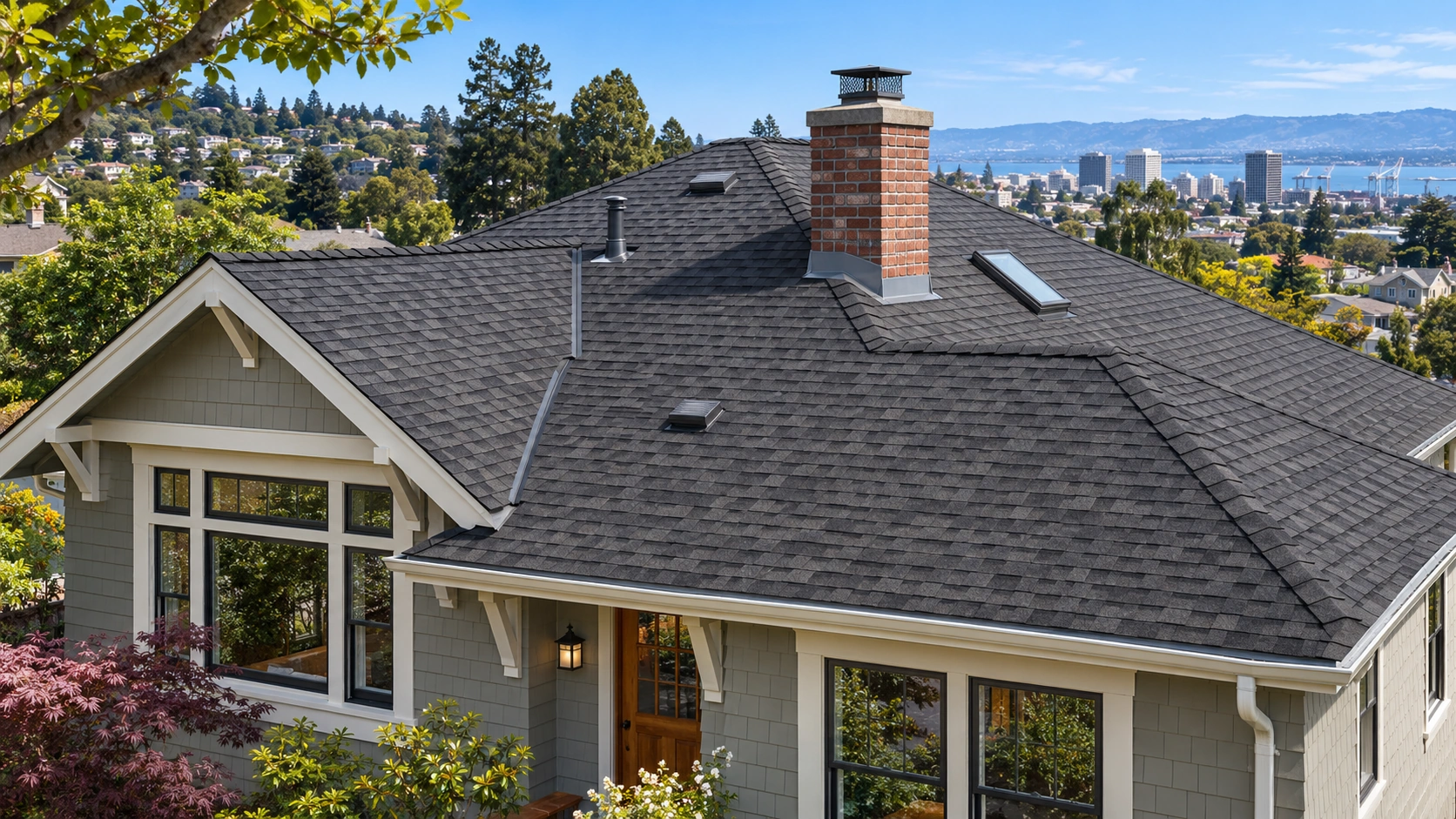
A roof’s shape changes the details that need to be discussed. Valleys, wall intersections, chimneys and other penetrations can add distinct work areas to the proposal. Ask how those components are handled rather than assuming the price is based only on roof area. Manufacturer homeowner guidance identifies roof size, materials and necessary repairs among the factors affecting replacement cost.
Access conditions also belong in the site discussion. Tell the contractor about driveway limits, gates, shared access and occupied areas if they apply. Ask which arrangements the proposal assumes for moving materials and removing debris. Do not infer a standard Oakland access charge or a universal formula. The estimate should explain the practical conditions of your property and the responsibilities that have been allowed for.
Roof replacement · Project planning
Which material and installation details should I compare?
Follow the product through the whole assembly
Compare the exact proposed covering and the related components, not just a general phrase such as quality shingles. Ask which accessories, underlayment and roof-edge details are included. If the proposals use different materials, request a written explanation of the options and their scope implications. A product upgrade and a wider installation scope are separate reasons that totals may differ.
Check the handling of flashing and other retained details. An estimate that includes more replacement work may not be directly comparable with one that retains those components. Ask why retention or replacement is being recommended and which findings support it. This keeps the comparison focused on defined work rather than treating every additional line as either unnecessary expense or automatic extra value.
| Estimate line | Compare between proposals | Question to resolve |
|---|---|---|
| Removal and disposal | Existing material included and debris handling | Are both totals covering the same preparation? |
| Covering and components | Exact products and included details | Are material options equivalent? |
| Decking allowance | Assumed quantity and pricing process | What changes if concealed damage is found? |
| Flashing and transitions | Replaced versus retained components | Which concerns does each scope address? |
| Cleanup and closeout | Defined responsibilities and documents | What is included at completion? |
Roof replacement · Project planning
Which costs are fixed and which are allowances?
Understand uncertainty without assuming extra damage
An allowance represents an assumption that should be explained. Ask what condition or quantity it covers, how actual findings would be documented and how the final amount would be calculated. Compare allowances separately from fully included work. A proposal with a smaller allowance can look cheaper without necessarily representing a smaller final commitment if the same concealed condition is later found.
That does not mean hidden damage is inevitable. Ask which concerns are visible now and which cannot be confirmed before removal. A useful scope separates known work from uncertain work and states the approval process. The California CSLB advises homeowners to have contract changes recorded in writing. Keep the agreed procedure with the proposal so additional findings can be discussed without confusion about authorization.
Roof replacement · Project planning
What exclusions could explain a lower estimate?
Read what is outside the contract
Ask each contractor to identify excluded work in plain language. A related concern may belong to another trade or a separate assessment, and that boundary should not be treated as a missing promise. Compare the handling of associated gutters, interior repairs and any separate building work where relevant. Do not assume a roof replacement quote includes every effect of a past leak.
Check removal, cleanup, access arrangements and project documentation as well. These practical items can be easy to overlook when two totals are placed side by side. Have important verbal explanations reflected in the written proposal. A clear exclusion lets you plan; an unexplained omission leaves you to discover the difference later. Compare complete understood commitments rather than the length of the document.
Roof replacement · Project planning
How should warranty and scheduling differences affect the comparison?
Evaluate the terms attached to the work
Ask which written material and workmanship coverage accompanies each proposal, who issues it and which conditions apply. A warranty headline should not replace an explanation of the work. If an option includes different coverage, ask for its actual documents and any eligibility requirements. This guide does not promise a specific Banner warranty or manufacturer relationship.
For timing, ask what the project plan assumes about access, material availability, weather and findings after removal. An earlier proposed start is useful only when the scope and arrangements are understood. Avoid treating a tentative schedule as a guaranteed completion date. Record the agreed project terms and the process for communicating changes, so timing can be considered alongside the rest of the proposal.
Roof replacement · Project planning
How do I get a replacement estimate I can compare fairly?
Give each contractor the same starting information
Share the same address, roof history, known concerns and project priorities with each contractor. Provide previous repair records and safe photographs when available. Ask for a proposal that identifies the assessed condition, covered areas, chosen materials, included components, allowances and exclusions. Consistent starting information helps reveal real scope differences rather than differences created by separate assumptions.
Banner can discuss roof replacement options for your Oakland property and explain the available scope. Explore the Oakland service hub, then request an assessment and written estimate or call 510.895.4433. Ask what explains the total and what could change it. You should finish the conversation with a clearer project comparison, not a claim that one online price fits every home.
Roof replacement · Questions & Answers
Oakland Roof Replacement Questions
Why is one roofing estimate much cheaper than another?
It may describe different materials, roof areas, component work, allowances or exclusions. Ask each contractor to explain those differences before judging the price. A lower total is not proof of poor work, and a higher total is not proof that every additional item is necessary.
Can Banner give me an accurate replacement price from a photograph?
A photograph can help start the conversation but cannot establish every roof condition or project requirement. Share safe images, the address and known history, then ask what assessment is needed for a useful written estimate. This guide provides no remote price guarantee.
Should decking work be included in the replacement total?
Ask how the estimate treats the deck: what has been observed, what may remain concealed and which work or allowance is included. Do not assume full replacement or no replacement. The proposal should state how additional findings would be documented, priced and approved.
How do I compare roof replacement quotes fairly?
Align the roof areas, exact materials, related components, preparation, cleanup, allowances and exclusions first. Review written coverage and project arrangements separately. If the scopes remain different, ask what each recommendation accomplishes and leaves unresolved instead of treating the totals as equivalent.
Does the most expensive shingle make the best replacement choice?
Not automatically. Suitability, complete installation scope and your priorities matter alongside material price. Ask why the proposed product fits the roof and what documented coverage applies. A costly covering cannot stand in for assessment of flashing, supporting components or an existing leak path.
Related Roofing Guides
Oakland · Contractor Guide
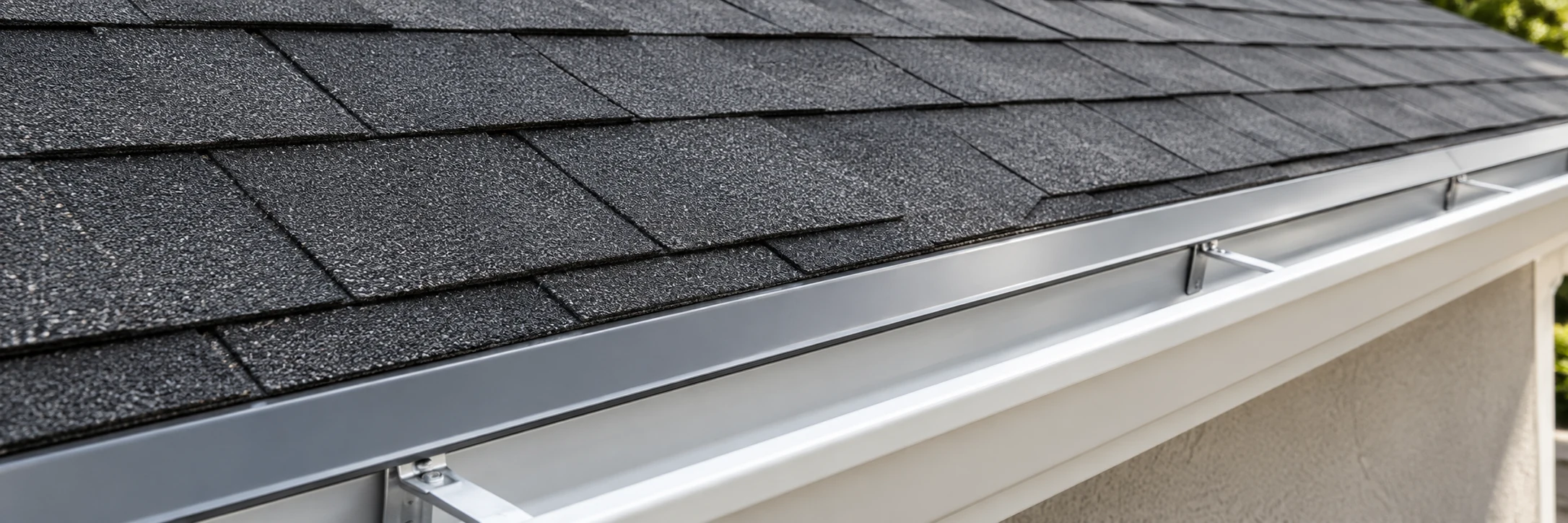
Oakland Roofing Contractor: How Do I Choose the Best Contractor for Roof Repairs and Gutter Work?
Choosing an Oakland roofing contractor? Compare repair findings, gutter scope, written estimates and local service coverage before choosing a roofer for your home.
Read the guide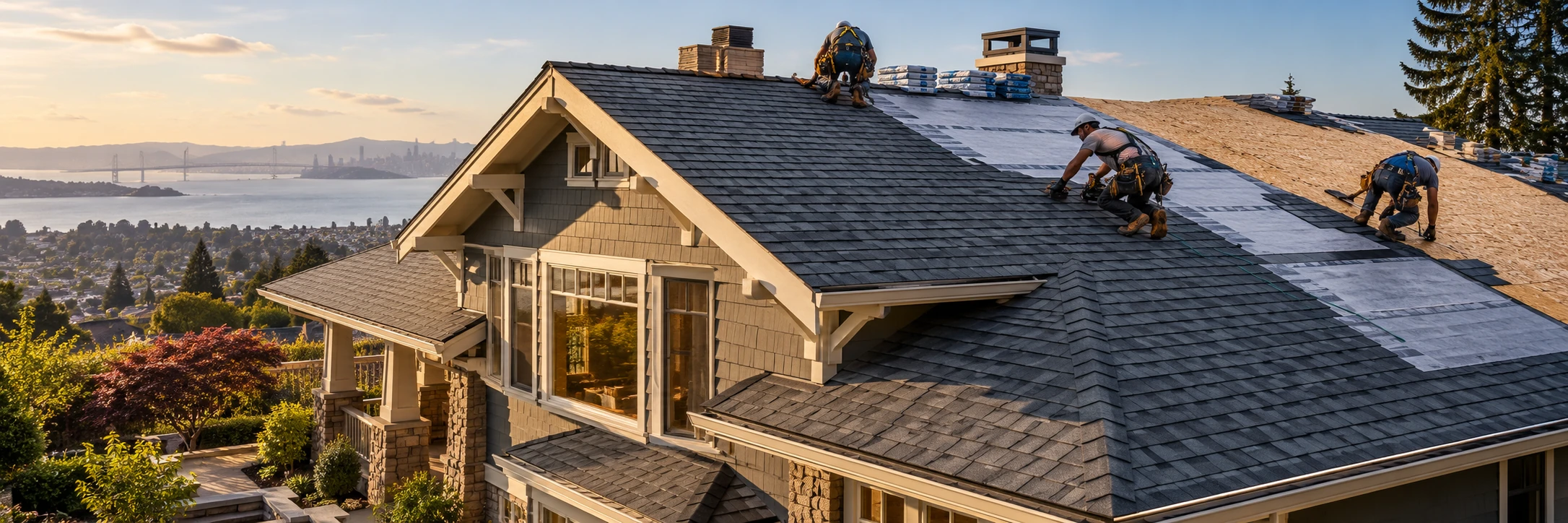
Berkeley · roof replacement
Berkeley Roof Replacement: How Do I Choose the Best Contractor for the Job?
Compare Berkeley roof replacement estimates by scope, materials, hidden-condition allowances and cleanup. Learn what to ask before choosing a replacement roofer.
Read the guide
Alameda · Roof replacement
Alameda Roof Replacement: How Long Will the Work Take and Can I Stay Home?
Plan an Alameda roof replacement around access, noise, weather and household needs. Learn what to ask about timing before agreeing to the work.
Read the guide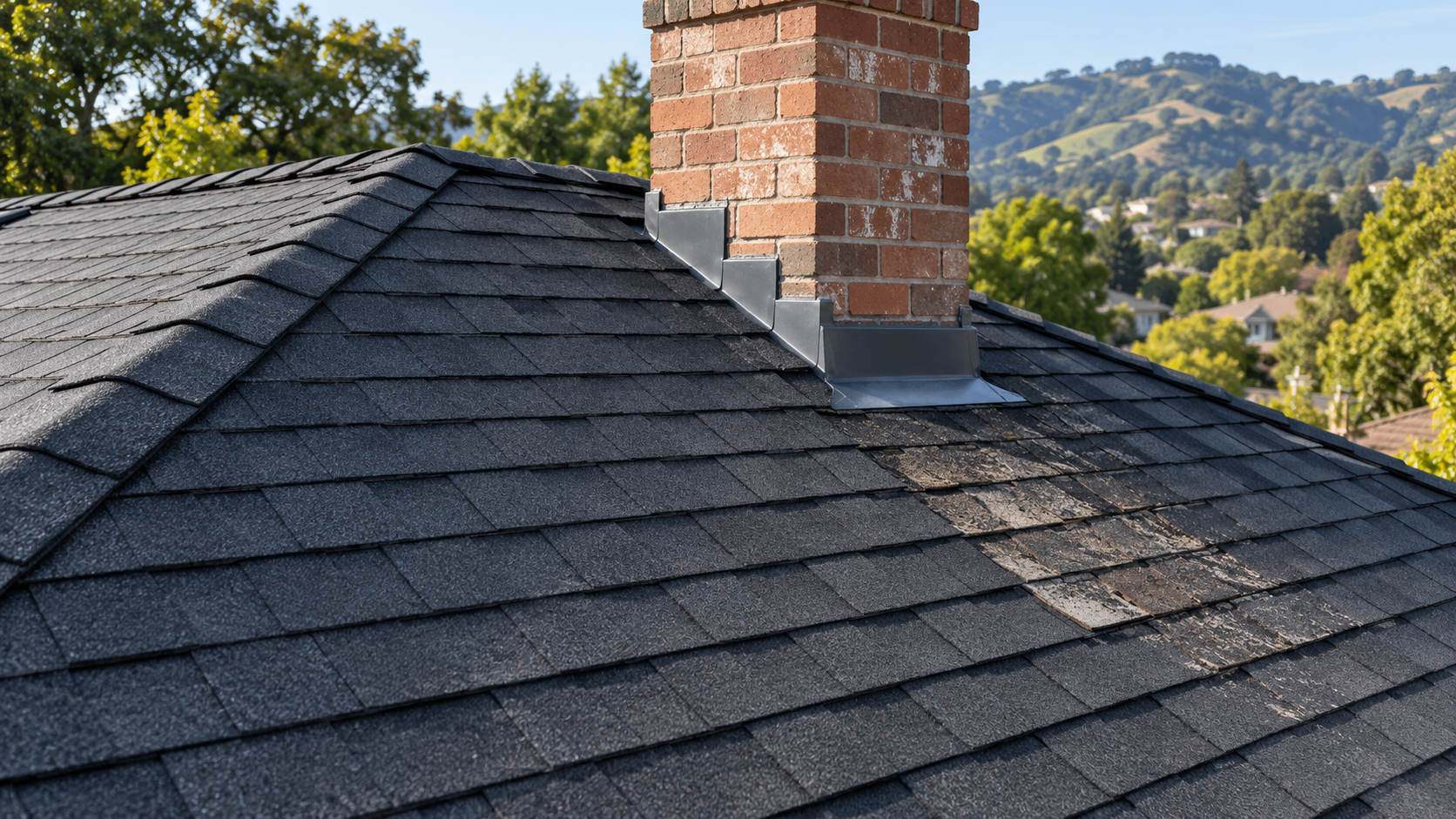
East Bay · Roofing Decisions
Should I Repair or Replace My Roof in the East Bay?
Compare roof repair and replacement in the East Bay. Learn which signs to discuss, what an assessment should cover and how to compare estimates.
Read the guide