

Gutters & Downspouts · Berkeley
What is the short answer?
Start with the observed condition
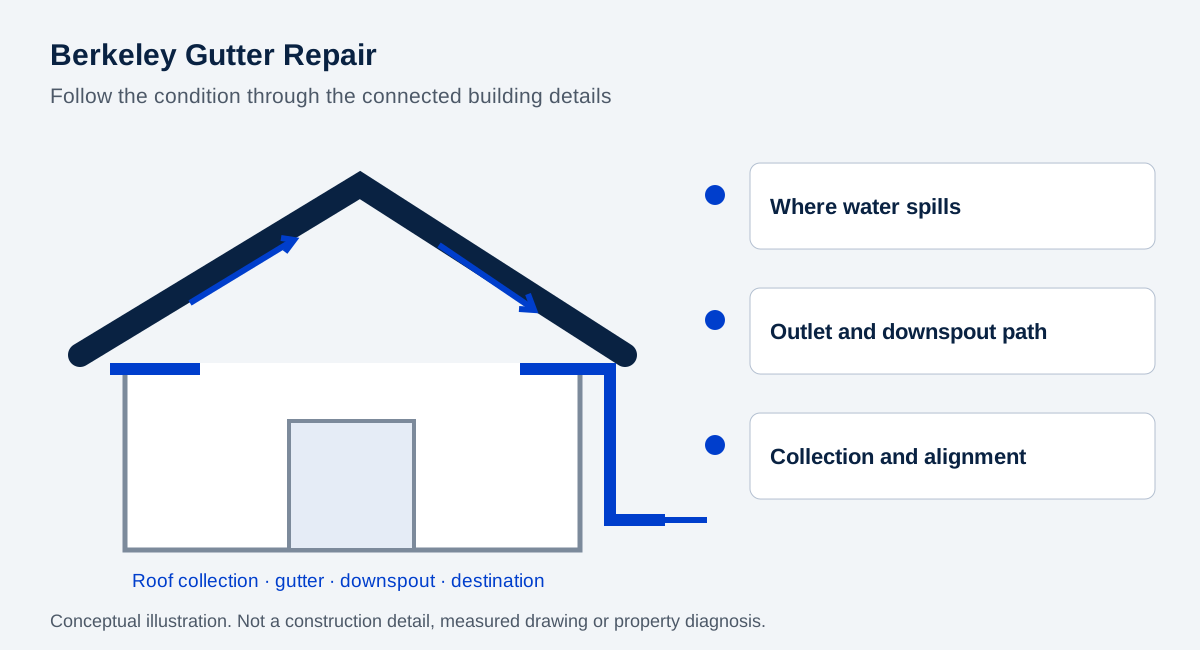
Gutters can overflow even when the visible run looks clear if an outlet or downspout is restricted, a section is out of alignment or runoff concentrates at a particular location. The full collection and discharge path needs assessment before assuming the gutter simply needs to be larger.
Looking up from a Berkeley sidewalk or yard does not reveal every part of a gutter system. The run may appear free of leaves while water still spills over an edge during rain. That does not make the symptom imaginary or establish that replacement is necessary. It means the assessment should follow how water enters, travels through and leaves the system.
Banner Roofing offers gutter repair within its listed East Bay coverage. The Berkeley roofing contractor guide explains how to compare the service fit and written scope.
Gutters & Downspouts · Assessment
Why is a ground-level view not enough to rule out a restriction?
Visible cleanliness is only one observation
An outlet, elbow or connected downspout may not be visible from where you are standing. Even the inside of the gutter can be difficult to judge from below. Describe the run as looking clear rather than declaring that the entire system has been checked. That distinction leaves the contractor room to assess the parts that are concealed or inaccessible.
If cleaning was recently performed, share what was included and whether outlets and downspouts were part of it. A completed cleaning task and a diagnosis of overflow are different things. Ask which conditions have actually been observed and which still need review. Avoid climbing a ladder in rain to prove the absence of debris.
Gutters & Downspouts · Observation
What does the location of overflow tell a contractor?
Identify a starting point and a pattern
Note whether water spills at one corner, beneath a roof valley or along a longer section. Record whether it starts immediately or only after sustained rainfall. A localized spill and water overtopping a long run may lead to different questions about collection, alignment and outlet performance. The pattern helps prioritize checks but does not establish a cause by itself.
Photographs or a brief video from a safe, dry location can show where runoff concentrates. Keep your footing and avoid standing under a heavy stream near a doorway or electrical equipment. If you cannot observe safely, a clear verbal description is enough for the first conversation. The contractor can decide what further assessment is appropriate.
Gutters & Downspouts · Service options
Can an outlet or downspout be involved if the gutter is clear?
Follow the connection downstream
The gutter run is only the collection stage. Water still has to pass through an outlet, down the downspout and onward to an appropriate discharge point. A restriction or damaged connection at one of those stages can affect the behavior upstream. Ask which parts of that route are included in the proposed assessment.
If the downspout enters a buried pipe, do not assume its condition from the visible top connection. The contractor may need to distinguish visible gutter and downspout work from underground drainage assessment by another specialist. A scope that identifies those boundaries is more useful than a promise that changing the gutter alone will solve every runoff problem.
| Observation | Question to ask | Important distinction |
|---|---|---|
| Looks clear from below | Assess the outlet and concealed route | Appearance does not establish system condition |
| Spills beneath a valley | Review concentrated flow and collection | Not automatic proof of undersized gutters |
| Water behind gutter | Assess roof-edge details as relevant | A front-edge overflow repair may not address it |
| Downspout enters pipe | Identify the downstream route and scope | Visible connection does not prove pipe performance |
Gutters & Downspouts · Repair scope
Could gutter alignment or concentrated roof runoff explain overflow?
Evaluate the property arrangement
A low section or an area receiving concentrated flow may deserve attention even where debris is not obvious. Ask how the contractor will assess alignment, outlet location and roof runoff entering the gutter. The explanation should relate to the actual roof and gutter arrangement rather than a generic claim about every home in Berkeley.
If larger gutters, additional outlets or new downspouts are recommended, ask how they change the drainage path. Each change needs a suitable downstream connection and discharge plan. Increasing collection capacity without considering the rest of the route can leave a separate bottleneck unresolved. A connected system view helps compare repair and replacement options.
Gutters & Downspouts · Planning
How should I discuss runoff near walls, paths or neighboring property?
Include the effect on the site
Report where spilled water lands, especially near doors, exterior walls, walkways or a property boundary. That information helps explain why the symptom matters even if it occurs only during stronger rainfall. Do not redirect runoff toward a neighbor or public path as an improvised fix. Site drainage changes require appropriate consideration of the property and local requirements.
Berkeley explains that stormwater and sanitary sewer systems are separate. A downspout connection should not be improvised into a nearby pipe simply because it is convenient. For changes to site drainage or a proposed connection, ask the relevant professional and city staff which requirements apply. This article identifies questions, not an approved drainage design for a specific parcel.
Gutters & Downspouts · Follow-up
What should a practical overflow repair plan include?
Specify the finding before the remedy
Ask the contractor to state the observed condition, the work proposed and any parts of the drainage route that were not assessed. The scope might concern a limited alignment issue, an outlet, a downspout or a wider change, depending on findings. It should explain why that particular work is expected to address the documented overflow.
After work, observe the original location safely in later rain and record any recurrence. Keep the cleaning record, estimate and photographs together. If the visible symptom changes, report that change rather than assuming the same explanation still applies. Banner Roofing can discuss gutter repair and downspout services, while any separate underground or site drainage concern should be clearly identified.
Gutters & Downspouts · Planning example
What example helps separate cleaning from overflow diagnosis?
Ask what was actually checked
Imagine a Berkeley homeowner whose gutters were recently cleaned but still spill below a roof valley. The cleaning record may confirm removal of visible debris, yet leave outlet performance or concentrated flow unanswered. Give the contractor the exact spill location and the tasks performed, then ask what remains to be assessed. Neither a recent cleaning nor a dramatic overflow photograph establishes the full cause.
If a layout change is proposed, ask how the revised outlet or downspout will connect to a suitable destination. Identify any underground or site work that is excluded. This keeps the estimate focused on a documented drainage route and avoids treating another cleaning or a larger gutter as the automatic answer to every recurrence.
Gutters & Downspouts · Key takeaways
What should I take away before requesting help?
Keep the request specific to your property
For a Berkeley property, describe the actual roof shape, surrounding trees and access conditions rather than assuming the city name identifies the cause. If drainage changes are proposed, distinguish visible roofing work from any site or underground work. A quote should make those limits clear so you know when another assessment or local requirement needs attention.
For the wider decision, read East Bay Gutter Repair: How Do I Know Whether My Gutters Need Repair or Replacement?. East Bay Gutter Repair: How Do I Know Whether My Gutters Need Repair or Replacement?; Oakland Gutter Repair: Why Are My Gutters Leaking at the Seams?; Alameda Gutter Repair: Can Sagging Gutters Be Fixed Without Replacing the Entire System?; Castro Valley Downspout Installation: Where Should My Downspouts Direct Roof Runoff?.
When you contact Banner Roofing, describe the observed condition and ask what the initial assessment includes. Call 510.895.4433 or request a roofing estimate. Mike handles your estimate. Confirm availability, proposed work and any separate investigation directly; this guide does not promise an arrival time or diagnose a property from its city name.
Gutters & Downspouts · Questions & Answers
Berkeley Gutter & Downspout Questions
Do clear gutters always mean the downspouts are clear?
No. The outlet, elbows and downstream route are separate parts of the system and may need assessment.
Will larger gutters automatically stop overflow?
Not necessarily. Alignment, concentrated flow and downstream restrictions can still matter. Ask how the recommendation addresses the full route.
Can I diagnose overflow from one storm?
You can record useful observations, but one storm does not establish every cause. Share the location, timing and any recent cleaning or repairs.
Should I connect a downspout to the nearest drain?
Do not assume a nearby drain is suitable. Identify the system and confirm the applicable requirements before making a connection.
Is this the same issue as a roof leak?
Not automatically. Gutter overflow and roof water entry can occur together or separately. Report both without assuming a shared cause.
Related Roofing Guides
East Bay · Gutter & Downspout Advice
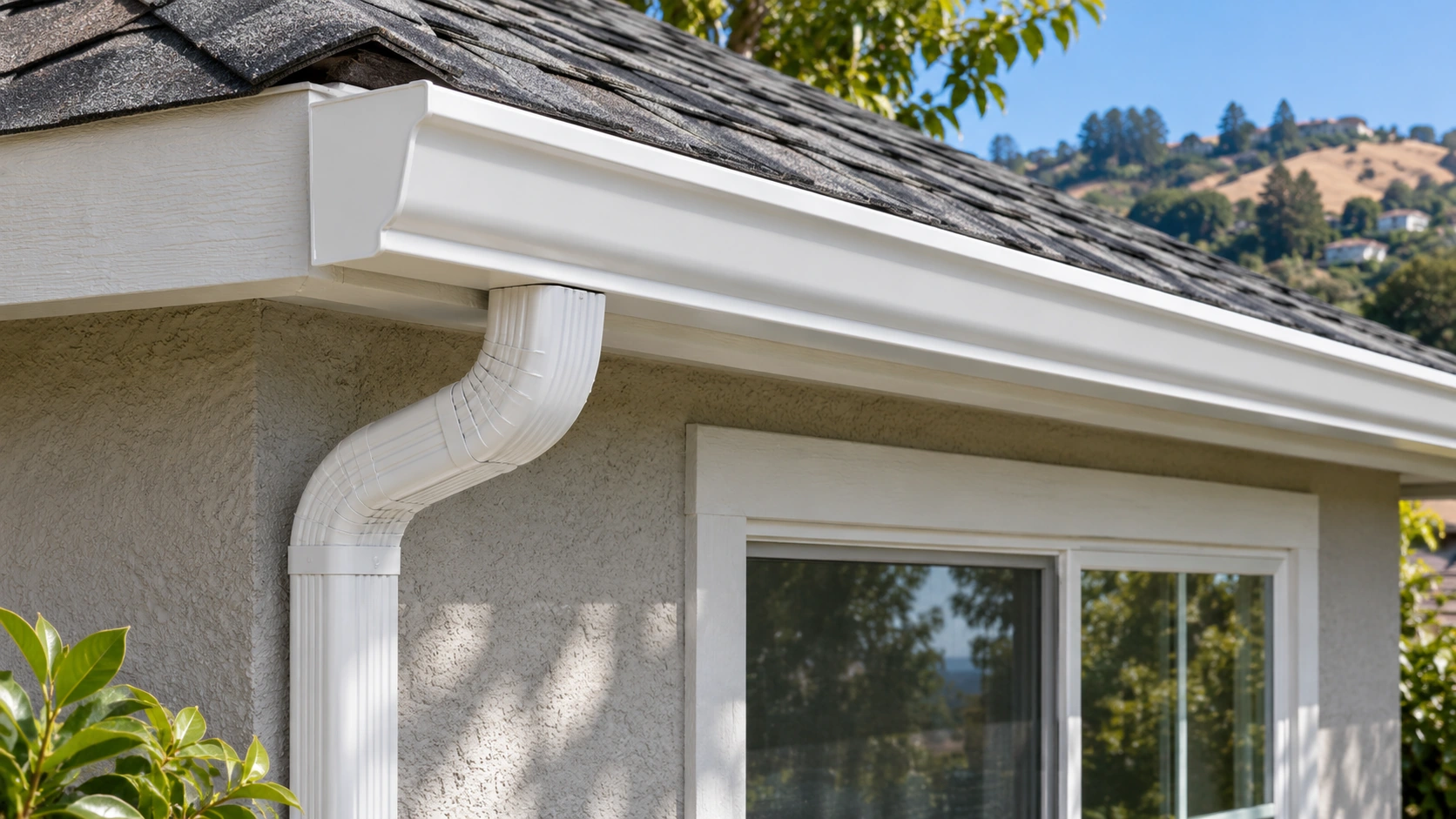
East Bay Gutter Repair: How Do I Know Whether My Gutters Need Repair or Replacement?
Compare gutter repair and replacement for East Bay homes. Learn what leaking seams, sagging sections and overflow mean for a practical written scope.
Read the guide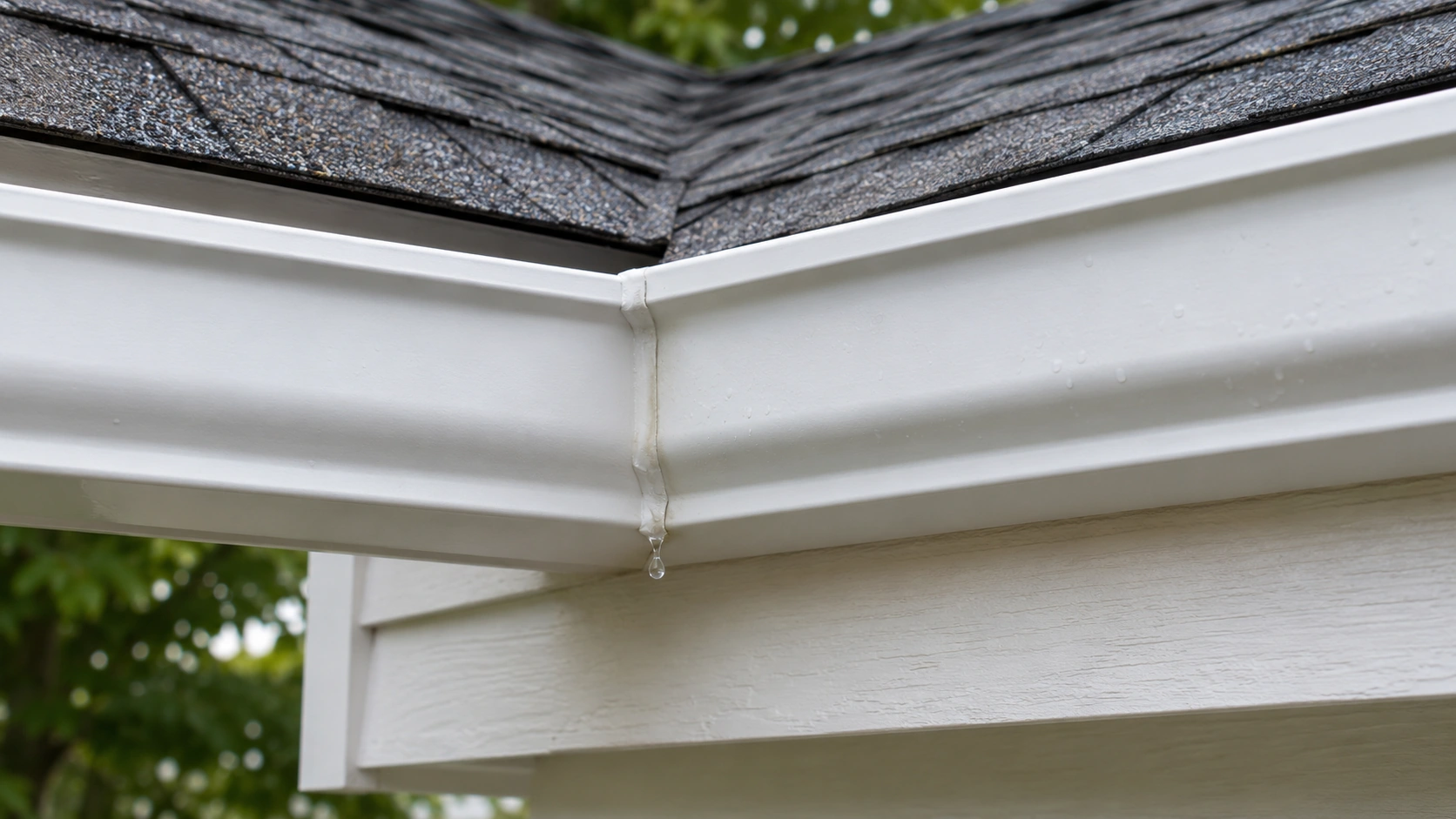
Oakland · Gutter & Downspout Advice
Oakland Gutter Repair: Why Are My Gutters Leaking at the Seams?
Leaking gutter seams on an Oakland home may involve more than old sealant. Learn what joint movement, support and water backup mean for repairs.
Read the guide
Alameda · Gutter & Downspout Advice
Alameda Gutter Repair: Can Sagging Gutters Be Fixed Without Replacing the Entire System?
Sagging gutters on an Alameda home may need support, fascia or alignment work. Learn what determines whether repair or replacement is appropriate.
Read the guide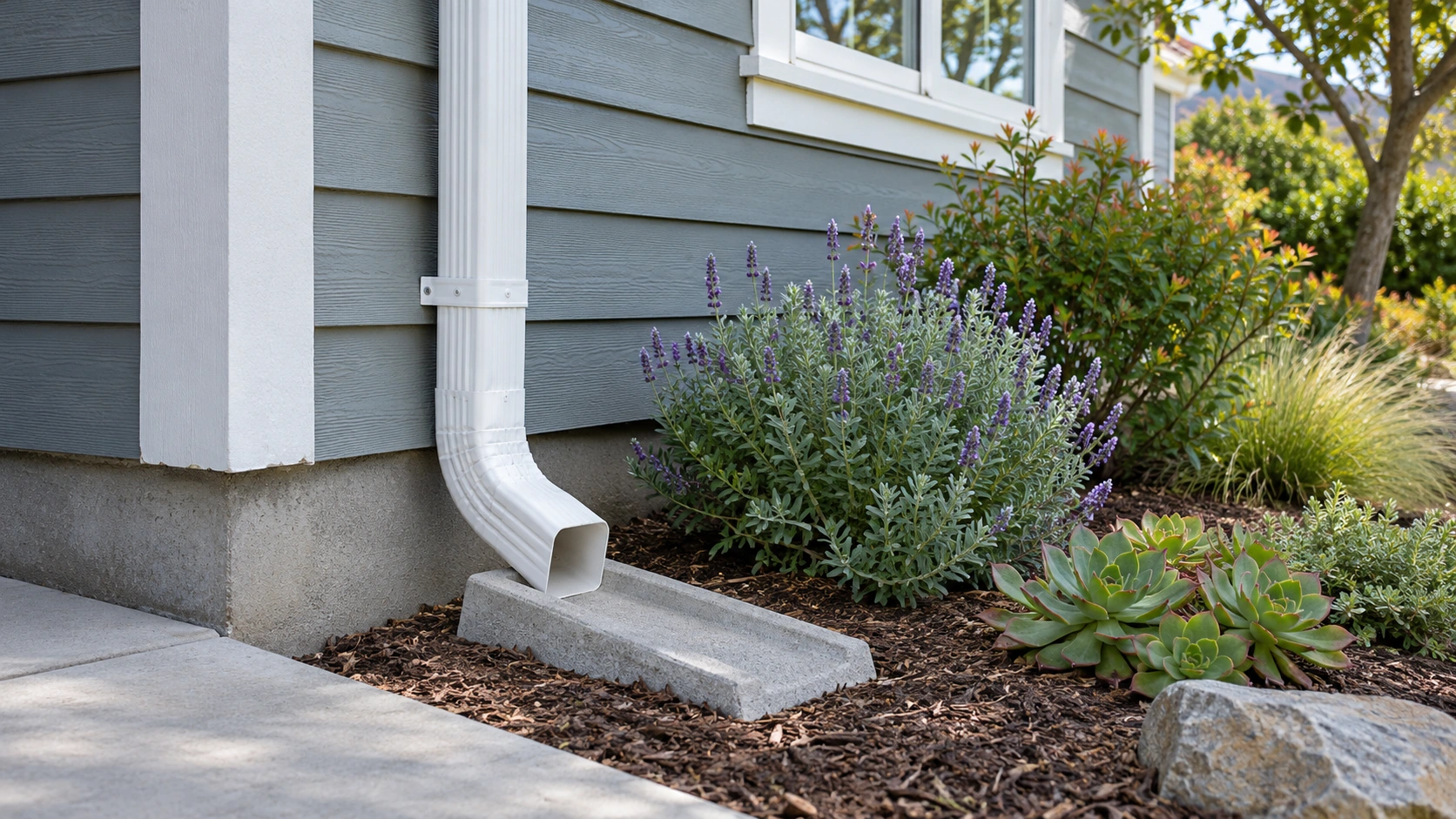
Castro Valley · Gutter & Downspout Advice
Castro Valley Downspout Installation: Where Should My Downspouts Direct Roof Runoff?
Plan downspout installation in Castro Valley around the full runoff path, including outlets, walkways, foundations and any existing drainage connections.
Read the guide