
Gutters & Downspouts · Castro Valley
What is the short answer?
Start with the observed condition
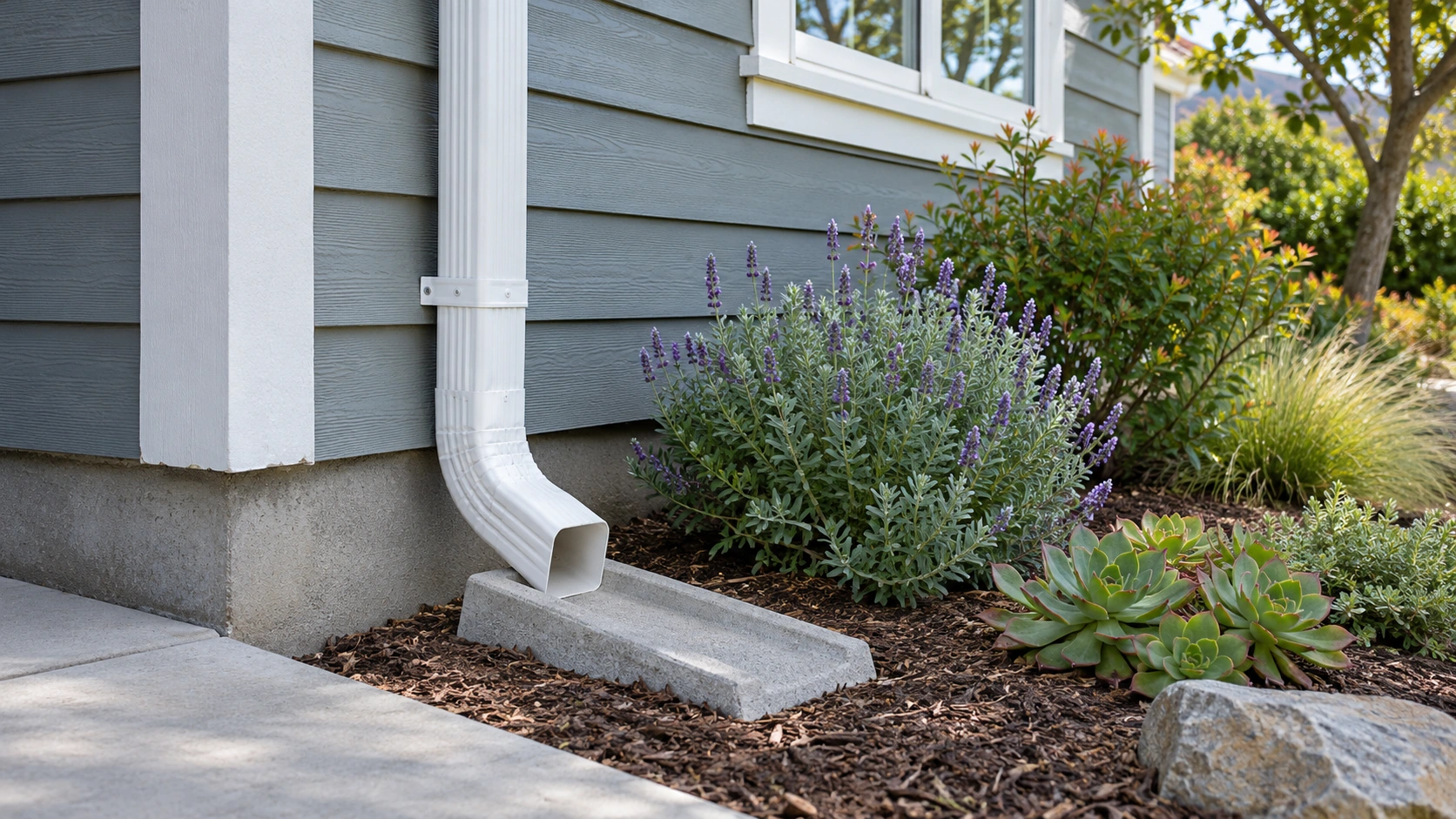
A downspout should route roof runoff to a suitable discharge arrangement that does not create problems at the building, on walking routes or on neighboring property. The appropriate route depends on roof collection, grade, existing drainage and applicable local requirements. A generic extension length is not a complete plan for every property.
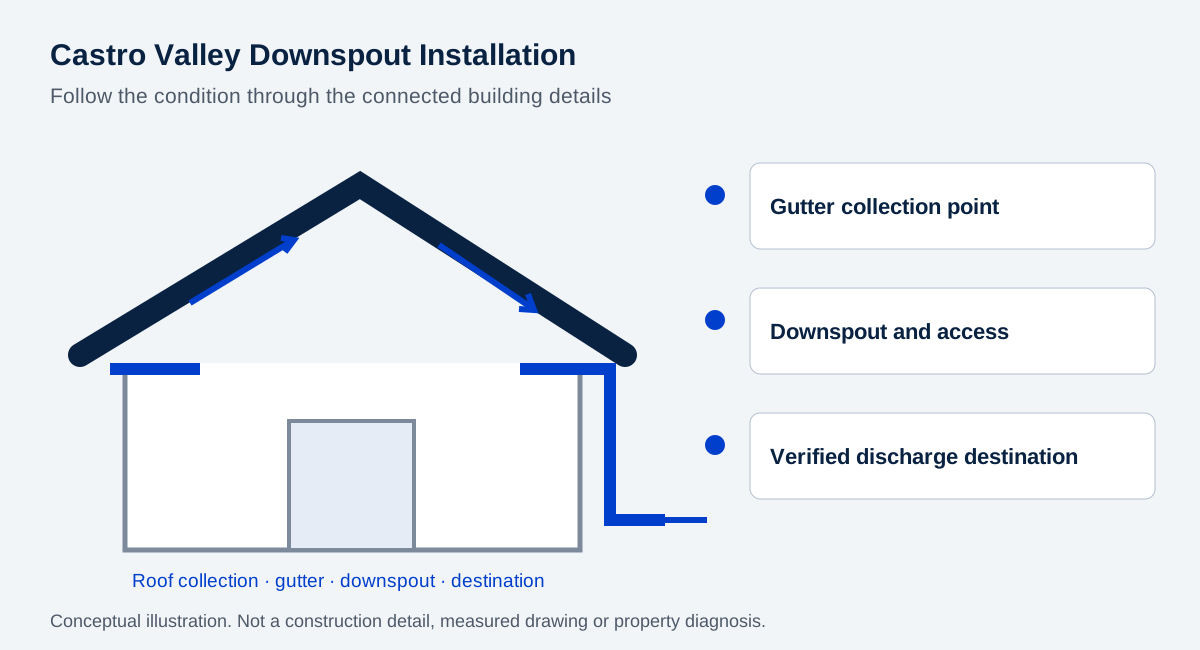
A new downspout is only useful if there is a workable place for the water to go. On a Castro Valley property, roof shape, pathways, landscape grade and existing pipes can all affect that decision. The right starting point is a traceable route from the gutter outlet to the final discharge arrangement. Selecting the downspout position without considering that destination leaves an important part of the project unanswered.
Banner Roofing offers downspout installation within its listed East Bay coverage. The Castro Valley roofing contractor guide explains how to compare the service fit and written scope.
Gutters & Downspouts · Assessment
What should I map before requesting downspout installation?
Identify the collection and discharge points
From the ground, note which gutter run will feed the downspout and where an existing outlet is located, if there is one. Identify nearby doors, paths, steps, exterior walls and property boundaries. Photograph the intended route and describe any area where water already collects. You do not need to climb onto the roof or open a buried pipe to prepare this information.
Ask the contractor what remains to be assessed about roof collection and outlet arrangement. A downspout added at a convenient wall location may not be the right answer for the gutter run above it. The collection point, vertical route and discharge destination need to work together rather than be chosen as unrelated details.
Gutters & Downspouts · Observation
Why does the ground around the house affect the route?
Consider what happens after water leaves the downspout
Water leaving an outlet can still collect near a wall or cross a path if the surrounding surface directs it there. Ask how the proposed discharge arrangement relates to the existing grade and nearby features. A splash block or extension is not automatically suitable for every site, particularly where the destination or route is uncertain.
Roof drainage and site drainage are connected questions, but they can require different scopes or professionals. If the property has persistent pooling, a steep grade or an unclear underground route, ask whether a separate drainage assessment is needed. This guide does not prescribe a universal distance or approve a discharge point for a particular parcel.
Gutters & Downspouts · Service options
Can I connect a new downspout to an existing underground pipe?
Confirm the route instead of assuming it
An available pipe opening does not establish what the pipe serves, where it goes or whether it is serviceable. Ask how the route will be identified and whether its capacity and condition need a separate assessment. A visible downspout installed neatly above ground can still connect to an unresolved problem below ground.
Have the contractor state whether underground piping is included, excluded or dependent on another specialist. Confirm applicable local requirements before changing a connection. Do not treat a sanitary sewer, unknown drain or convenient neighboring outlet as an acceptable destination without appropriate verification. Clear boundaries help you arrange the right work without expanding a gutter estimate by assumption.
| Observation | Question to ask | Important distinction |
|---|---|---|
| New outlet position | Coordinate collection with the run above | Convenient wall space is not the only criterion |
| Route beside a path | Consider doors, gates and walking access | Avoid creating a new obstruction |
| Existing underground opening | Confirm route, condition and requirements | Do not assume an unknown pipe is suitable |
| Pooling after discharge | Consider separate site drainage assessment | A new downspout alone may not resolve ground conditions |
Gutters & Downspouts · Repair scope
How should paths, doors and neighboring properties influence the design?
Avoid moving the problem to a more convenient location
Explain how people use the side yard and where doors or gates open. A route that obstructs access, creates a tripping concern or concentrates water on a walking surface is not a practical solution simply because it is short. Ask how the downspout will be supported and positioned without interfering with normal movement around the home.
Property boundaries matter as well. Directing runoff toward an adjoining parcel or public path can create concerns that extend beyond the roofing scope. Ask the appropriate professional about the site and relevant requirements. The goal is to manage runoff for the property, not to transfer an existing wet area to somewhere less visible from your own doorway.
Gutters & Downspouts · Planning
When is downspout repair more appropriate than new installation?
Separate a broken connection from a missing route
If the current downspout has a leaking joint or disconnected elbow but its overall route is suitable, repair may be a reasonable subject for assessment. If a gutter lacks a workable outlet arrangement or the existing route creates repeated problems, a new installation or layout change may be relevant. Describe the symptom and let the findings determine which path fits.
The existing Castro Valley downspout repair guide focuses on leaking connections. This article addresses the planning question of where a new route should go. Ask whether the estimate is restoring the present route or changing it, and which existing parts will remain. That distinction makes proposals easier to compare and avoids paying for a larger project without understanding the reason.
Gutters & Downspouts · Follow-up
What should a downspout installation proposal include?
Describe a complete visible route and its limits
Ask for the gutter outlet location, downspout material and profile, supports, elbows and the intended discharge arrangement. Confirm how any retained components connect and whether removal of old material is included. If the work depends on a separate underground or site drainage assessment, that dependency should be explicit before installation begins.
After the work, ask what observation is appropriate during later rainfall and how to report a recurrence of the original concern. Keep the route description with the estimate. If water still collects at the final destination, the next question may concern site drainage rather than a fault in the new vertical downspout. A documented scope helps distinguish those possibilities.
Gutters & Downspouts · Planning example
What example shows why the final outlet matters?
Look beyond a neat new downspout
Imagine a Castro Valley installation that looks tidy beside a wall but empties into an unidentified buried pipe. Its appearance does not establish where the runoff goes or what happens during heavy rain. Before relying on that route, ask how the connection will be identified and whether another professional needs to assess the underground or site portion.
A useful proposal makes the destination and exclusions explicit. If the intended outlet is a surface arrangement, ask how it relates to grade and walking access. If it connects to a verified system, ask what evidence supports that connection. In either case, the downspout is one part of the route, not proof that every downstream drainage concern has been solved.
Gutters & Downspouts · Key takeaways
What should I take away before requesting help?
Keep the request specific to your property
For a Castro Valley property, explain any grade changes, narrow access or existing drainage connections relevant to the work. Those details vary from parcel to parcel. A useful scope identifies the actual roof or drainage arrangement, instead of assuming that every hillside or neighborhood property needs the same repair method.
For the wider decision, read East Bay Gutter Repair: How Do I Know Whether My Gutters Need Repair or Replacement?. East Bay Gutter Repair: How Do I Know Whether My Gutters Need Repair or Replacement?; Oakland Gutter Repair: Why Are My Gutters Leaking at the Seams?; Berkeley Gutter Repair: Why Do My Gutters Overflow Even When They Look Clear?; Alameda Gutter Repair: Can Sagging Gutters Be Fixed Without Replacing the Entire System?.
When you contact Banner Roofing, describe the observed condition and ask what the initial assessment includes. Call 510.895.4433 or request a roofing estimate. Mike handles your estimate. Confirm availability, proposed work and any separate investigation directly; this guide does not promise an arrival time or diagnose a property from its city name.
Gutters & Downspouts · Questions & Answers
Castro Valley Gutter & Downspout Questions
How far should downspouts discharge from a house?
The appropriate arrangement depends on grade, soils, site features and applicable requirements. Ask for a property-specific route rather than relying only on a universal distance.
Can a downspout empty onto a walkway?
A route should account for safe access and avoid creating runoff problems on walking surfaces. Have the proposed destination assessed for the property.
Does new downspout installation include underground drainage?
Not necessarily. Ask whether buried piping, testing or site drainage work is included or requires another professional.
Can I connect to a pipe because the old downspout used it?
An existing connection does not establish the pipe condition or suitability. Confirm the route and relevant requirements before relying on it.
Does Banner Roofing handle downspout installation in Castro Valley?
Castro Valley is within Banner Roofing’s listed service area. Contact the office to discuss your gutter outlet, intended route and installation needs.
Related Roofing Guides
East Bay · Gutter & Downspout Advice
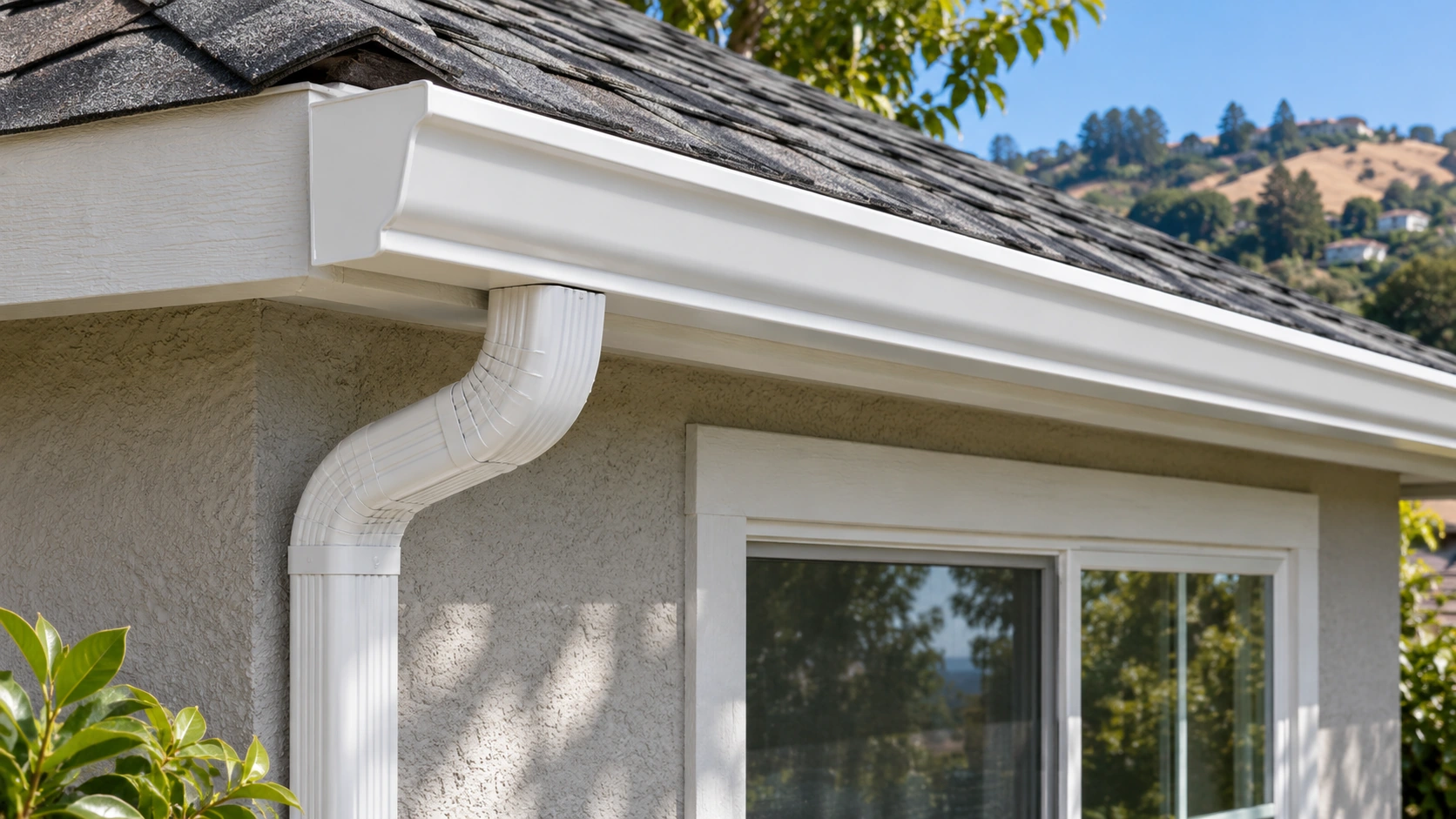
East Bay Gutter Repair: How Do I Know Whether My Gutters Need Repair or Replacement?
Compare gutter repair and replacement for East Bay homes. Learn what leaking seams, sagging sections and overflow mean for a practical written scope.
Read the guide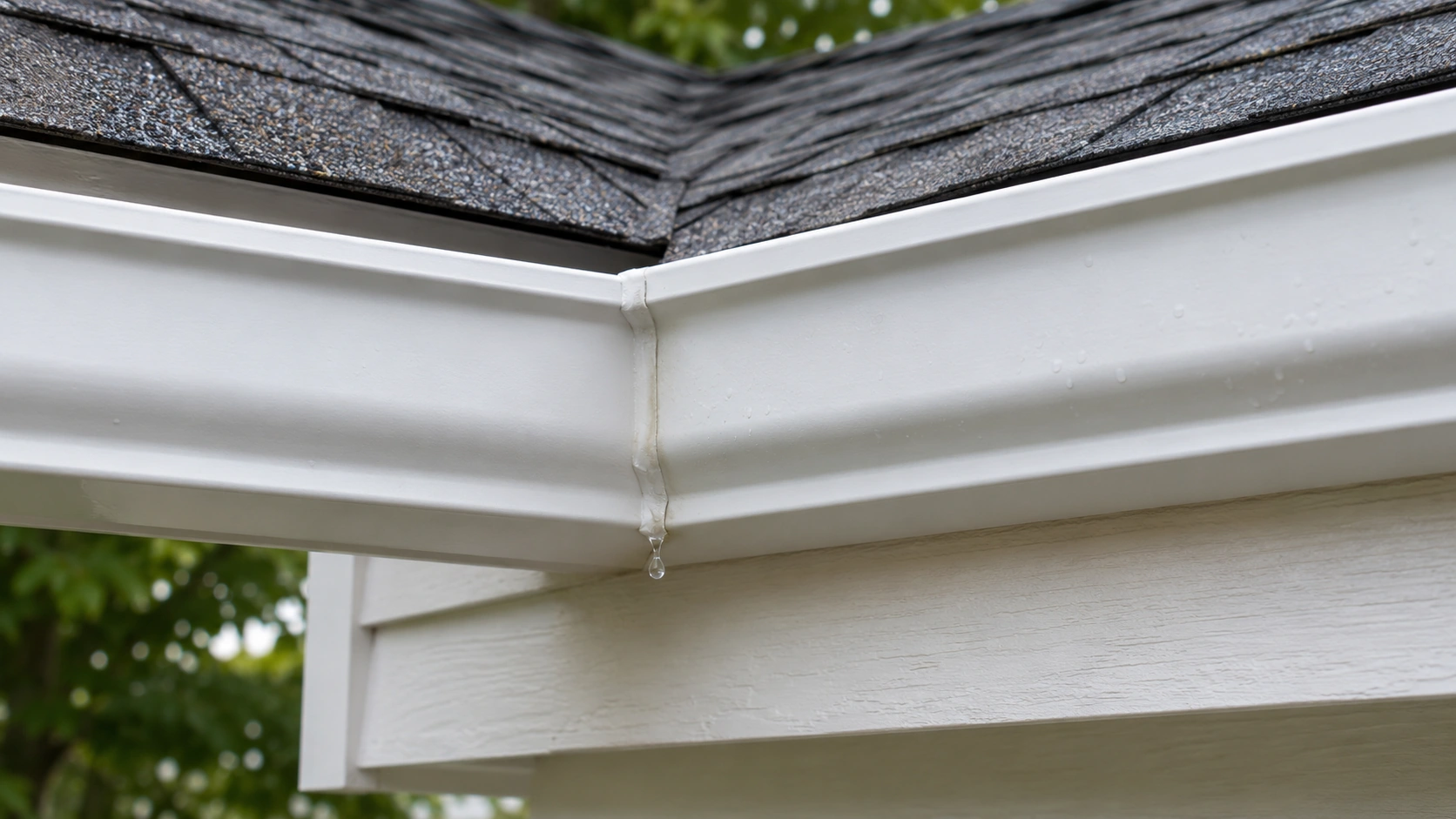
Oakland · Gutter & Downspout Advice
Oakland Gutter Repair: Why Are My Gutters Leaking at the Seams?
Leaking gutter seams on an Oakland home may involve more than old sealant. Learn what joint movement, support and water backup mean for repairs.
Read the guide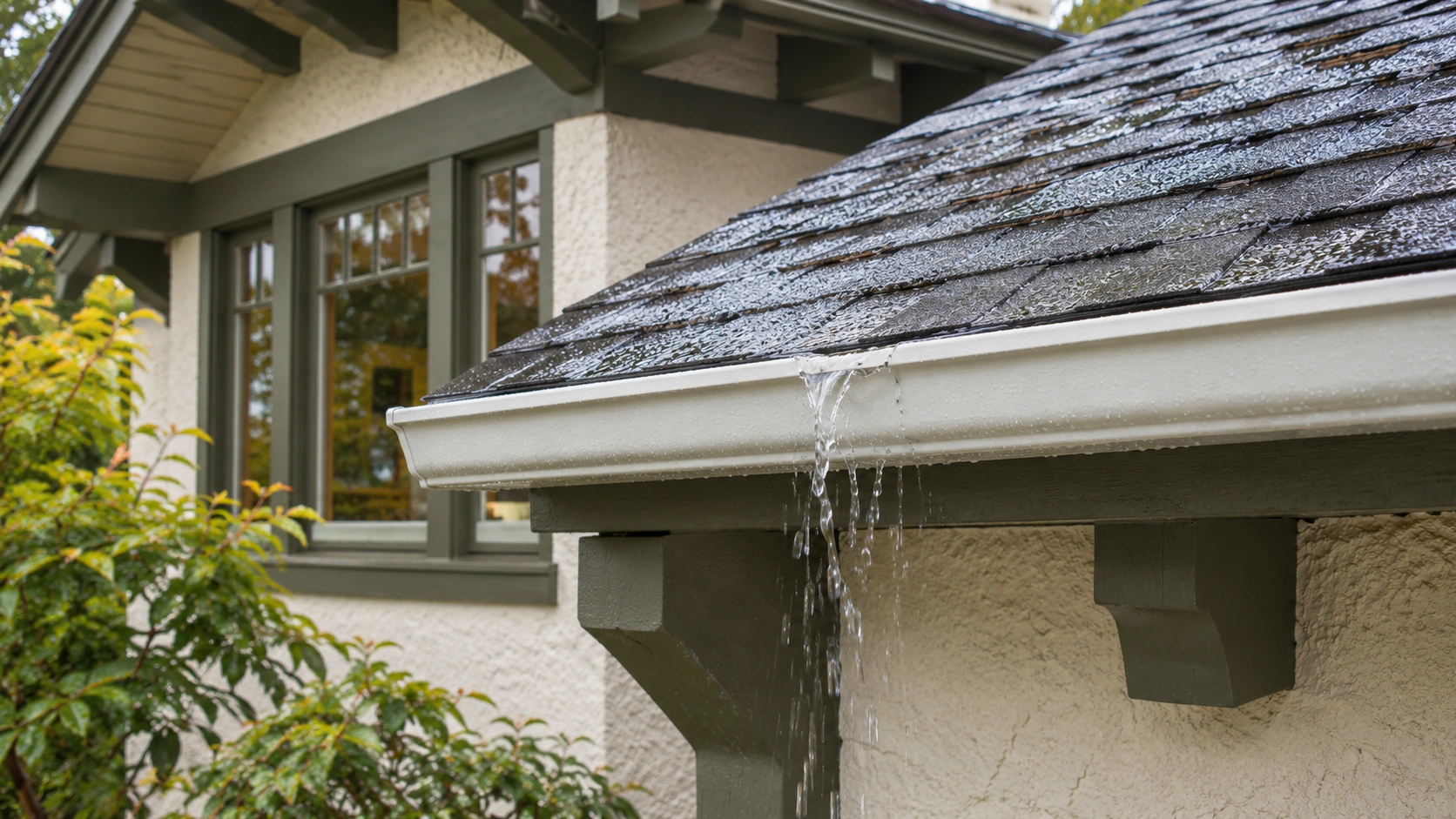
Berkeley · Gutter & Downspout Advice
Berkeley Gutter Repair: Why Do My Gutters Overflow Even When They Look Clear?
Clear-looking gutters can still overflow. Learn what Berkeley homeowners should report about outlets, downspouts, alignment and concentrated roof runoff.
Read the guide
Alameda · Gutter & Downspout Advice
Alameda Gutter Repair: Can Sagging Gutters Be Fixed Without Replacing the Entire System?
Sagging gutters on an Alameda home may need support, fascia or alignment work. Learn what determines whether repair or replacement is appropriate.
Read the guide