Commercial roofing · Oakland
What is the short answer?
Start with the building and the work you need
A useful commercial roofing estimate identifies the building and roof system, explains the findings, defines the proposed work area and states what is included, excluded or conditional. Compare those details before comparing the total price. Ask Banner Roofing to confirm that your particular commercial roof system and project are within its available service scope.
An Oakland business owner may receive two proposals that look similar on the first page while describing different work underneath. One might address a specific leak detail; another might include a broader area or additional preparation. The difference matters because a lower total does not tell you whether both proposals resolve the same problem. Start with a common description of the building and the concern.
Use this guide to prepare a request for commercial roofing services. For broader local hiring questions, the Oakland roofing contractor guide and Oakland roofing resource hub provide useful starting points. The estimate should then become specific to your business property, rather than rely on a general service description.
Commercial roofing · Project planning
What should a contractor know before preparing the estimate?
Give every bidder the same starting information
Provide the property address, building use, known roof covering and the problem that prompted the request. Include prior repair descriptions, available roof records and safe photographs of interior symptoms. If several buildings share an address, identify the affected building and floor. A precise request makes it easier to compare the response with another proposal and reduces the chance that contractors price different areas.
Explain how roof access is controlled and whether the building remains occupied. Mention loading areas, sensitive rooms and any known rooftop equipment near the affected location. Separate information you know from assumptions: a tenant reporting a stain does not establish the roof entry point. Ask what additional inspection or investigation is needed before a firm scope can be prepared.
Commercial roofing · Project planning
Does the proposal identify the roof system and findings?
Ask for evidence behind the recommendation
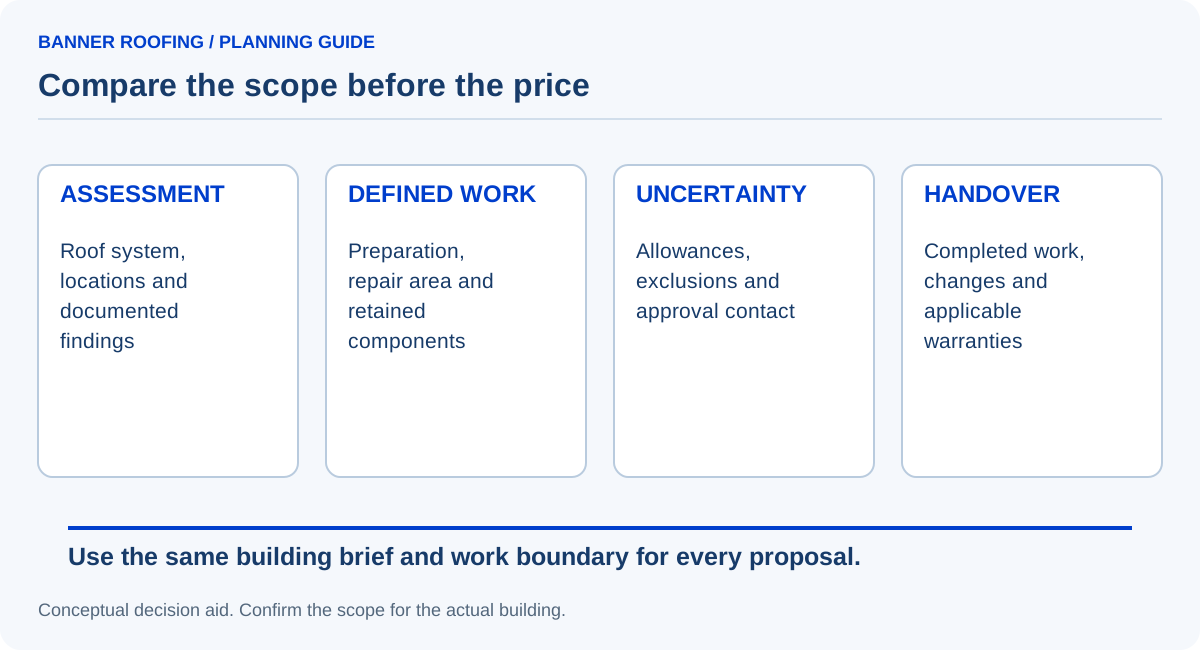
A proposal should make clear which roofing system or components were assessed, what the contractor observed and how those findings relate to the proposed work. Photographs and a simple location description can help you understand the recommendation. If concealed conditions remain uncertain, ask where the estimate relies on assumptions and whether another assessment is appropriate before committing to a larger project.
Commercial roofing is a broad category, so confirm project fit directly. The fact that a contractor works on commercial buildings does not establish capability for every covering, coating, attachment method or warranty program. Banner can review your building information and confirm the available scope. Avoid selecting a material or repair method solely because it appeared in a search result for a different building.
Commercial roofing · Project planning
Are both contractors quoting the same roofing scope?
Match the work boundaries before comparing totals
Find the description of the work area, preparation and components to be retained or replaced. A localized repair should identify the affected detail and surrounding limits clearly enough for an owner to understand the intended result. A larger replacement proposal needs its own defined boundary. Ask whether adjacent transitions, roof-edge details and affected drainage connections are included or require separate work.
Use a comparison sheet rather than a mental impression of the two totals. Mark each item as included, excluded or not explained. Then send the unanswered questions back to the contractor. The California CSLB encourages comparing written bids against the same plans and scope. That is a useful buying principle; commercial project terms still need to reflect the actual agreement and building.
| Estimate item | Question to ask | Why the answer matters |
|---|---|---|
| Assessment area | Which roof areas and transitions were reviewed? | The observation area may differ from the repair boundary. |
| Preparation | What existing material is removed or prepared? | Different preparation creates different scopes. |
| Retained components | What stays and who assesses its condition? | Retained details can affect the intended repair. |
| Allowances | How are uncertain findings priced and approved? | An allowance is not a fixed all-inclusive price. |
Commercial roofing · Project planning
How should allowances and concealed conditions be handled?
Separate known work from decisions made later
An allowance identifies work or quantities that cannot yet be established fully. Ask what is assumed, how additional work will be documented and who can authorize it. For example, an owner needs to know how unexpected supporting-material deterioration would be discussed if exposed during work. This is a planning question, not a prediction that your building has hidden damage or needs structural repairs.
Clarify the approval contact before work begins, especially if a property manager must obtain an owner’s decision. Ask how photographs, revised quantities and price changes will be presented. Do not treat an informal conversation about possible extra work as a completed written scope. A clear change process helps distinguish a necessary new finding from work that was simply omitted from the original proposal.
Commercial roofing · Project planning
What should the access and business-operations plan explain?
Make project arrangements part of the comparison
Ask how the proposed work relates to roof access, material delivery, waste removal and occupied areas. A building with an active loading area or several tenants may need arrangements that do not appear in a generic estimate. Tell the contractor which spaces are sensitive to noise or access changes and identify the person who can coordinate notices. These details should be discussed before accepting a schedule.
Confirm who manages communication when weather, delivery timing or newly discovered conditions change the plan. A tentative start date is different from an agreed duration, and neither guarantees uninterrupted business activity. If equipment, electrical work or other specialist coordination is outside the roofing proposal, identify who will arrange it. An accurate boundary is more useful than assuming the roofer handles every building system.
Commercial roofing · Project planning
Which warranty and completion documents should I request?
Read the proposed terms rather than the headline
Ask for the written warranty documents relevant to the proposed work. Product coverage and contractor workmanship coverage answer different questions, and neither should be reduced to a large number on a brochure. Review the covered work, exclusions, claim contact and any maintenance or documentation requirements. Confirm whether the particular scope qualifies for the documents being discussed, rather than assuming a replacement warranty applies to a local repair.
Also agree on the records you will receive at completion. A useful package can identify the completed area, material information and approved changes, with photos where relevant. Keep those documents with earlier roof records so a future contractor can understand what was done. The estimate should explain the expected handover; do not infer manufacturer certification or expanded coverage unless it is documented for your project.
Commercial roofing · Project planning
How do I request a useful commercial roofing estimate in Oakland?
Prepare a short building brief and a focused question
Collect the address, building use, roof information if known, symptom history and access restrictions in one message. State whether you are seeking help with a reported leak, a known damaged detail or a wider roofing decision. If there is active water intrusion, describe it promptly and discuss availability directly. Do not send someone onto the roof simply to obtain more detailed photographs for an inquiry.
Contact Banner Roofing to request a commercial roof assessment or call 510.895.4433. Ask the team to confirm system suitability and explain what the initial assessment includes. A productive estimate gives you a clear proposed scope and the remaining questions to resolve, so you can decide on the work with an understandable basis for comparison.
Commercial roofing · Questions & Answers
Oakland Commercial Roofing Questions
How do I find the best commercial roofer near me in Oakland?
Compare suitability for your actual roof system, current contractor information, relevant experience and a clear written proposal. “Best” should mean a good fit for your building and scope, not an unsupported ranking claim. Ask Banner to review the project information and confirm whether it can provide the assessment and work you need.
Why are two commercial roofing estimates so different?
The estimates may cover different areas, preparation, components, access arrangements or allowances. Ask each contractor to identify those differences before deciding that the lower figure is better value. If an item is not explained, request clarification instead of assuming it is included in the price.
Can I get a firm quote from photographs alone?
Photos can help describe a concern, but they may not establish concealed condition, system compatibility or the route water is taking. Ask what can be estimated from the information supplied and what needs an on-site assessment. A preliminary discussion and a confirmed work proposal serve different purposes.
Does a commercial roof leak mean the entire roof needs replacement?
A leak report alone does not determine the extent of work. A specific defect may support a localized repair while wider deterioration can change the recommendation. Ask for the findings, repair boundaries and reasons behind the proposed approach, including what remains outside the scope.
Should my roofing estimate include work on rooftop equipment?
Only if the written proposal expressly includes the relevant work and the contractor can provide it. Roofing, mechanical equipment and electrical work can involve separate responsibilities. Identify the needed coordination and approval contacts before the project begins so an equipment-related task is not left between scopes.
Related Roofing Guides
Oakland · Contractor Guide
Oakland Roofing Contractor: How Do I Choose the Best Contractor for Roof Repairs and Gutter Work?
Choosing an Oakland roofing contractor? Compare repair findings, gutter scope, written estimates and local service coverage before choosing a roofer for your home.
Read the guide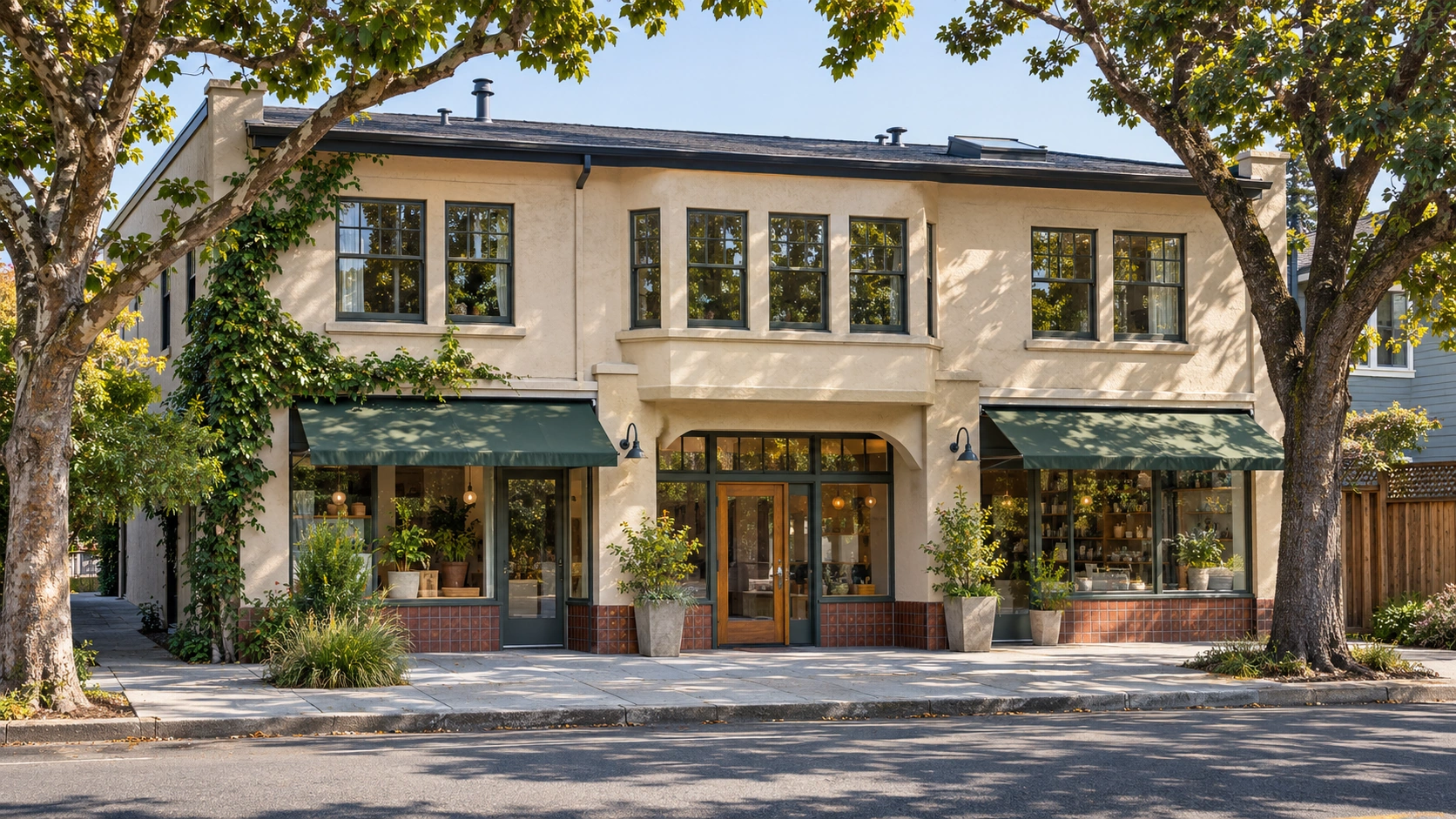
Berkeley · Commercial roofing
Berkeley Commercial Roofing Contractor: How Can Roof Work Be Planned Around Tenants and Business Hours?
Plan commercial roofing around Berkeley tenants and business operations. Prepare access details, communication responsibilities and realistic scheduling questions.
Read the guide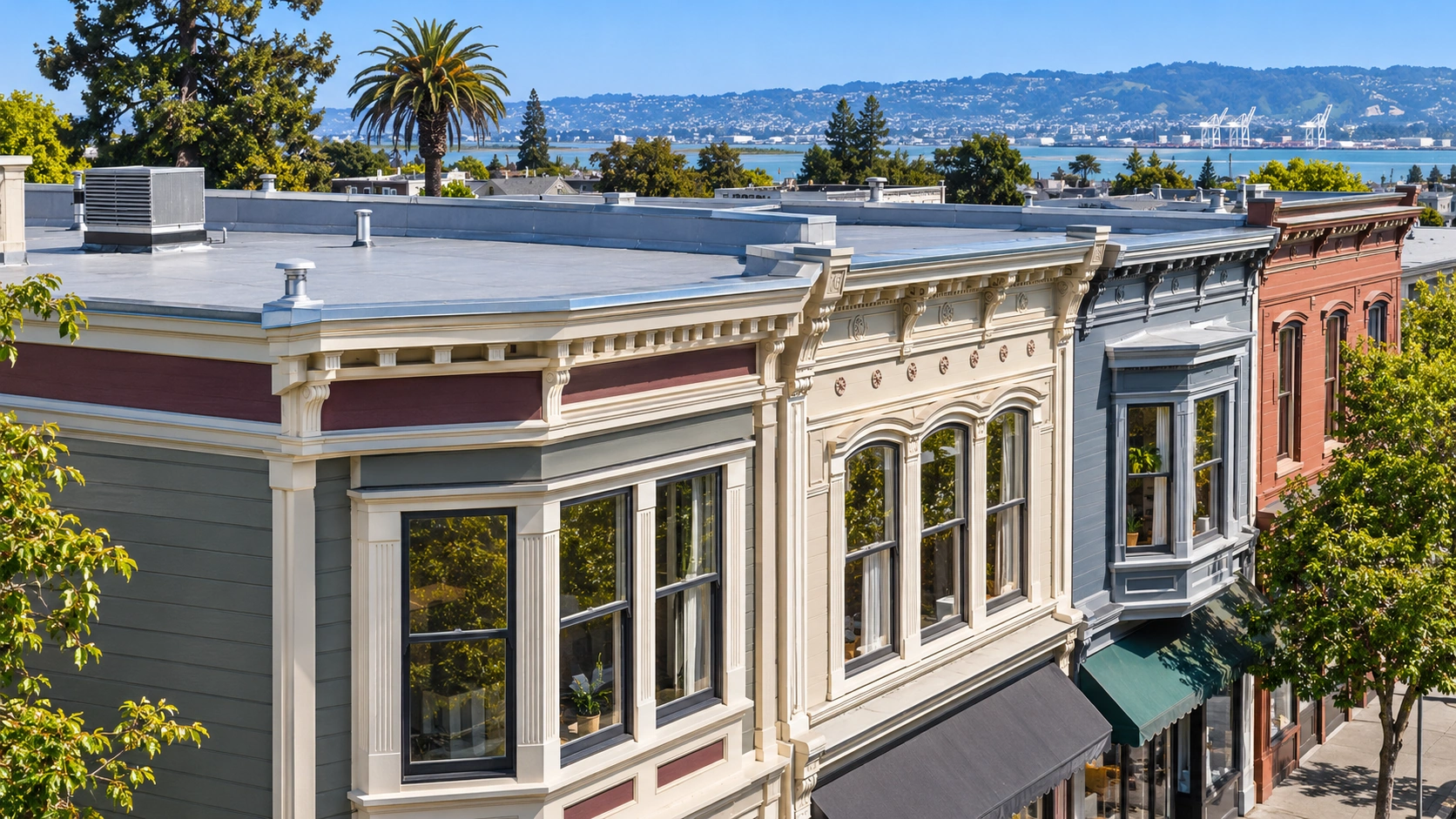
Alameda · Commercial roofing
Alameda Commercial Roofing Contractor: How Do I Choose a Roofer for a Storefront or Mixed-Use Building?
Choose commercial roofing help for an Alameda storefront or mixed-use building. Review system fit, owner coordination, assessment records and a clear scope.
Read the guide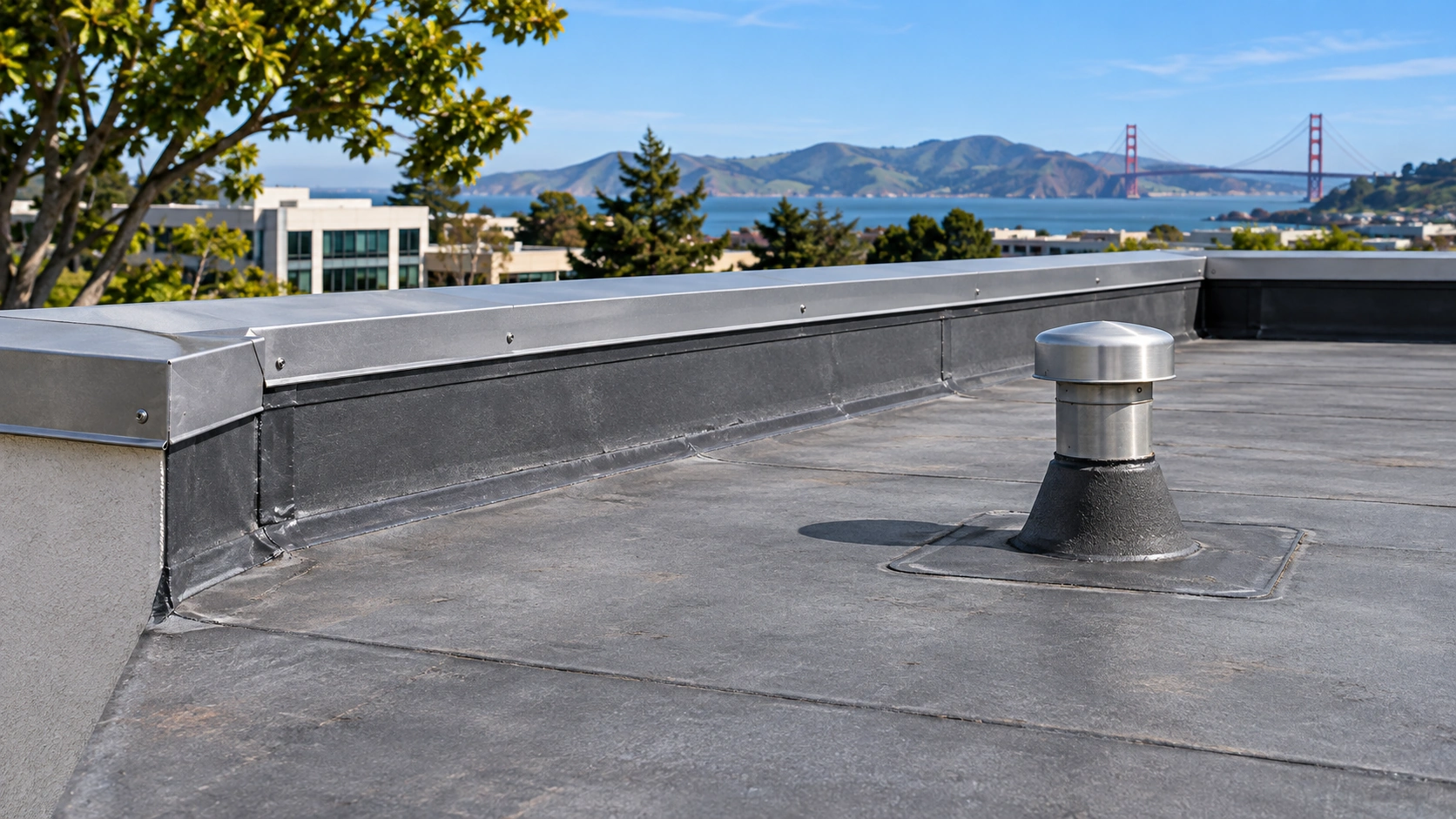
East Bay · Commercial roofing
East Bay Commercial Roof Maintenance: What Should Property Managers Check Before Small Problems Become Leaks?
Organize commercial roof maintenance in the East Bay. Learn what a useful report should document and how property managers can prioritize follow-up work.
Read the guide