Commercial roofing · Alameda
What is the short answer?
Start with the building and the work you need
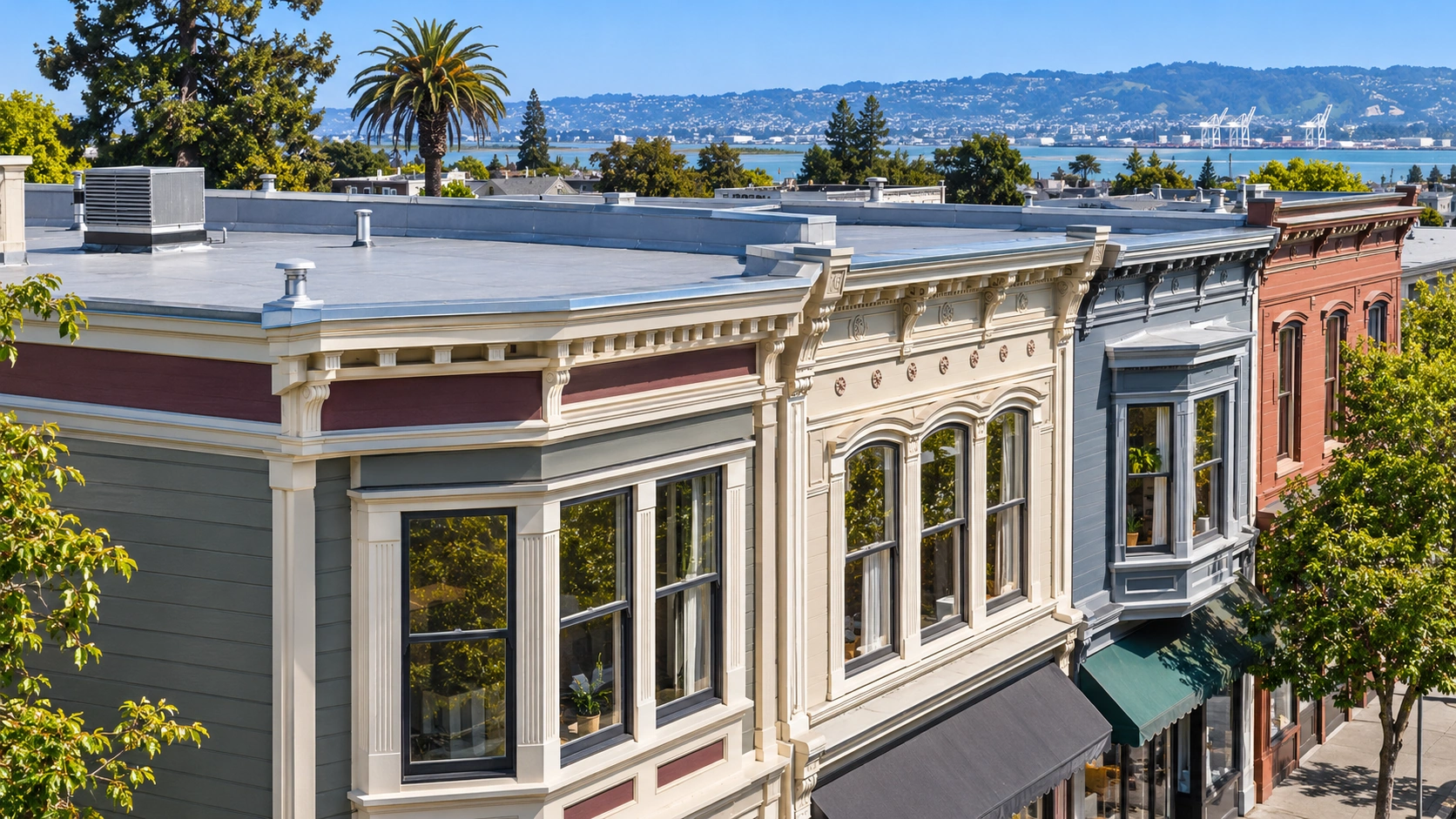
Choose a commercial roofing contractor by the needs of the building: its roofing system, the reported problem, occupied uses, access and decision-making arrangements. A storefront or mixed-use address needs a building-specific proposal. Ask Banner Roofing to confirm the available scope for your roof, and identify the property representative who can coordinate assessment and approvals.
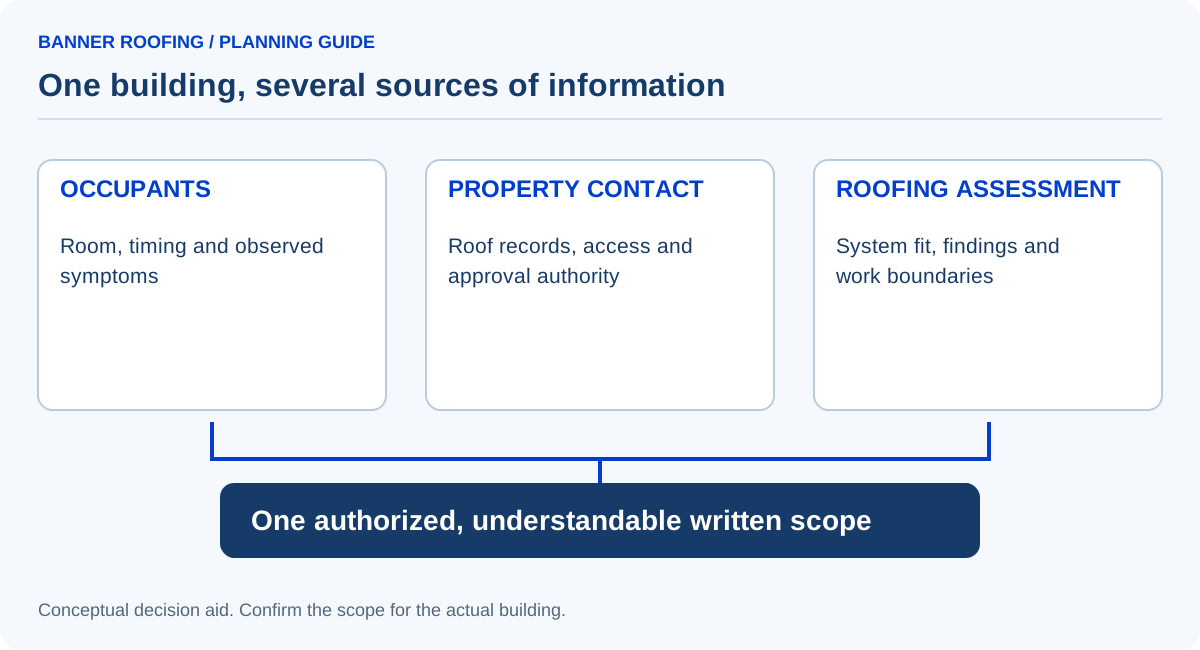
A storefront leak can involve more than the person who first sees the water. The tenant may know when the symptom appears, the owner may hold the roof records and a property manager may arrange access. In a mixed-use building, another occupant may be directly below the affected area. Bringing those facts together is a better start than asking several people to obtain unrelated quotes.
Alameda has established commercial areas, including Park Street, Webster Street and business-park locations described in the city’s market information. That context supports considering commercial roofing locally; it does not identify a roof system or imply that Banner completed projects there. Begin with commercial roofing services and the Alameda roofing resource hub.
Commercial roofing · Project planning
Who should arrange roofing work when a building has several occupants?
Establish one project contact and a clear approval path
Identify the person who represents the property for the proposed work before scheduling an assessment. A tenant can provide valuable symptom information, but that does not automatically establish authority to approve roof alterations or commit the owner to a project. Confirm responsibilities through the property’s actual management and lease arrangements. If there is uncertainty, resolve it with the appropriate property representative before requesting competing scopes.
Keep operational coordination separate from spending approval when necessary. The person opening the building may not be the person authorized to approve a changed scope. Give the contractor the relevant contacts and a clear route for decisions. This prevents an otherwise useful visit from ending with several occupants expecting different work. It also helps the owner receive one organized account of the findings.
Commercial roofing · Project planning
What experience and written scope should I ask for?
Confirm fit for the roof rather than a broad service label
Ask how the contractor will establish the roofing system, assess the reported condition and define the area of proposed work. Describe whether the building includes retail, offices or residential occupancy so the assessment can account for relevant access and communication needs. Request an explanation of comparable scope experience without assuming that a photograph of one commercial roof proves experience with every system.
Check current contractor information and ask for the relevant insurance documents as part of hiring. Then discuss the actual roofing method and any manufacturer requirements that apply to the proposed scope. Banner’s commercial service category is a starting point for that discussion, not a blanket certification claim. If a needed specialty is outside the available service, the scope should make that boundary clear.
Commercial roofing · Project planning
Which building records help distinguish a roof issue from an interior symptom?
Bring together the observations and earlier work history
Collect the roof history if available, including earlier repair descriptions, warranty paperwork and photographs that identify completed areas. Ask occupants to describe the room, timing and conditions of water entry. A first-floor ceiling mark and a roof defect are not automatically the same location. Keep descriptions factual so the contractor can investigate the route rather than inherit an unsupported diagnosis.
If different people report symptoms, organize the reports by location and date instead of merging them into one general statement that the roof leaks. The existing Alameda commercial roof leak guide explains why transitions and water travel may matter. The useful next step is an assessment of this building, with findings that separate confirmed defects from questions requiring further investigation.
| Information | Useful contributor | What to record |
|---|---|---|
| Reported symptom | Occupant who observed it | Room, timing and safe photographs. |
| Earlier roofing work | Owner or property manager | Scope records, dates and known repair areas. |
| Building access | Authorized site contact | Keys, restrictions and agreed access arrangements. |
| Project approval | Authorized property representative | Who can accept scope and approve changes. |
Commercial roofing · Project planning
How should storefront access and mixed-use occupancy affect the proposal?
Describe the actual shared spaces and restrictions
Explain which entrances, passages, delivery areas and occupied rooms may be relevant to the project. Do not assume that a storefront can close temporarily or that upper-floor occupants use the same access route as the business below. Ask how the proposed work could affect those spaces and which building arrangements need to be agreed before a firm sequence is established.
The contractor determines appropriate work controls and assessment access, while the property representative supplies accurate information about occupancy. If proposed work needs coordination with equipment or another trade, identify that responsibility in advance. Discuss constraints early rather than treating access as a small detail after accepting the price. A workable proposal connects roofing scope with the people who use the building.
Commercial roofing · Project planning
How can I compare repairs, maintenance and a broader roofing proposal?
Ask what each option is intended to resolve
A repair proposal, a maintenance visit and a larger replacement discussion may answer different questions. Ask the contractor to identify the finding behind each recommendation and the work boundary it supports. A recurring stain deserves an explanation; it does not by itself establish that the whole roof needs replacement. Equally, another small patch is not automatically suitable simply because it is less disruptive.
If proposals differ, ask each contractor what is being retained, what uncertainty remains and what signs would change the recommendation. Record the differences before comparing totals. A commercial owner needs to understand both the intended result and the limitations of the chosen work. That discussion should stay tied to the assessed roof, not a general assumption about buildings of a certain age or architectural appearance.
Commercial roofing · Project planning
What should be documented before I authorize the work?
Make the agreement understandable to the property team
Review the proposed area, preparation, materials, exclusions, price assumptions and project arrangements. Ask how uncertain findings would be handled and who is authorized to approve a revision. If a building has several stakeholders, circulate the same version of the scope so an occupant’s informal request does not become an unpriced expectation. Written clarity is especially valuable when management responsibilities may change during the life of the roof.
Request the warranty terms applicable to the particular work and ask what completion records will be supplied. Product coverage and workmanship coverage are separate questions. Do not assume that the wording used for a whole-roof project applies to a limited repair. Keep the final proposal, approved changes and completion information together so future maintenance begins with the actual work history.
Commercial roofing · Project planning
How do I start a commercial roofing conversation in Alameda?
Send one organized building brief
Prepare the property address, building use, known roof type, reported symptoms and the relevant contacts. Include safe photographs and earlier work records if available. Tell Banner whether the immediate request is an assessment, a localized repair discussion or a planned roofing project. The Alameda contractor guide offers broader selection questions, but the commercial inquiry should state the building’s specific needs.
Use Banner’s contact page or call 510.895.4433 to request scope confirmation and an assessment discussion. Mention any occupancy or access constraints before asking for a date. The best outcome from the first conversation is a clear next step with the right property contact, rather than an assumed price or method based only on the city and building label.
Commercial roofing · Questions & Answers
Alameda Commercial Roofing Questions
How do I find a commercial roofing contractor near me in Alameda?
Use service coverage as the first filter, then confirm suitability for the actual roof system and proposed work. Ask about assessment, written scope, relevant experience and project communication. Review current contractor information rather than treating an online superlative as proof. Banner can discuss your building and confirm the commercial scope it can provide.
Can a business tenant request a roofing estimate?
A tenant can report a concern and ask how to start, but the property’s actual authority and approval arrangements need to be established before work is authorized. Identify the owner or management contact responsible for the roof and coordinate the inquiry through that person. This guide does not interpret lease obligations.
Does a mixed-use building need a different kind of roofing material?
Mixed-use occupancy alone does not select a roofing system. The existing roof, building design, project requirements and assessed conditions matter. Occupancy often adds coordination questions about access and communication. Ask the contractor to explain the system-specific recommendation and confirm any requirements relevant to the actual project.
Should I choose the contractor who promises the least disruption?
Ask how the proposed arrangements would work and what limitations remain. A useful plan identifies access, communication, affected spaces and contingencies rather than promising no impact. Compare that plan with a clear roofing scope. Neither a convenient proposed date nor a low price establishes the quality or suitability of the work.
Can one roofing assessment cover concerns from several units?
Ask the contractor how the assessment should be scoped and organize the reports by unit, room and timing. Several symptoms may or may not have a common source. The authorized property representative should coordinate access and the request so the assessment addresses the agreed building areas without assuming that every report requires the same repair.
Related Roofing Guides
Alameda · Contractor Guide
Alameda Roofing Contractor: How Do I Choose the Best Contractor for Roof Replacement?
Compare Alameda roofing contractors for roof replacement with clear questions about older roof details, written scope, access, materials and homeowner preparation.
Read the guide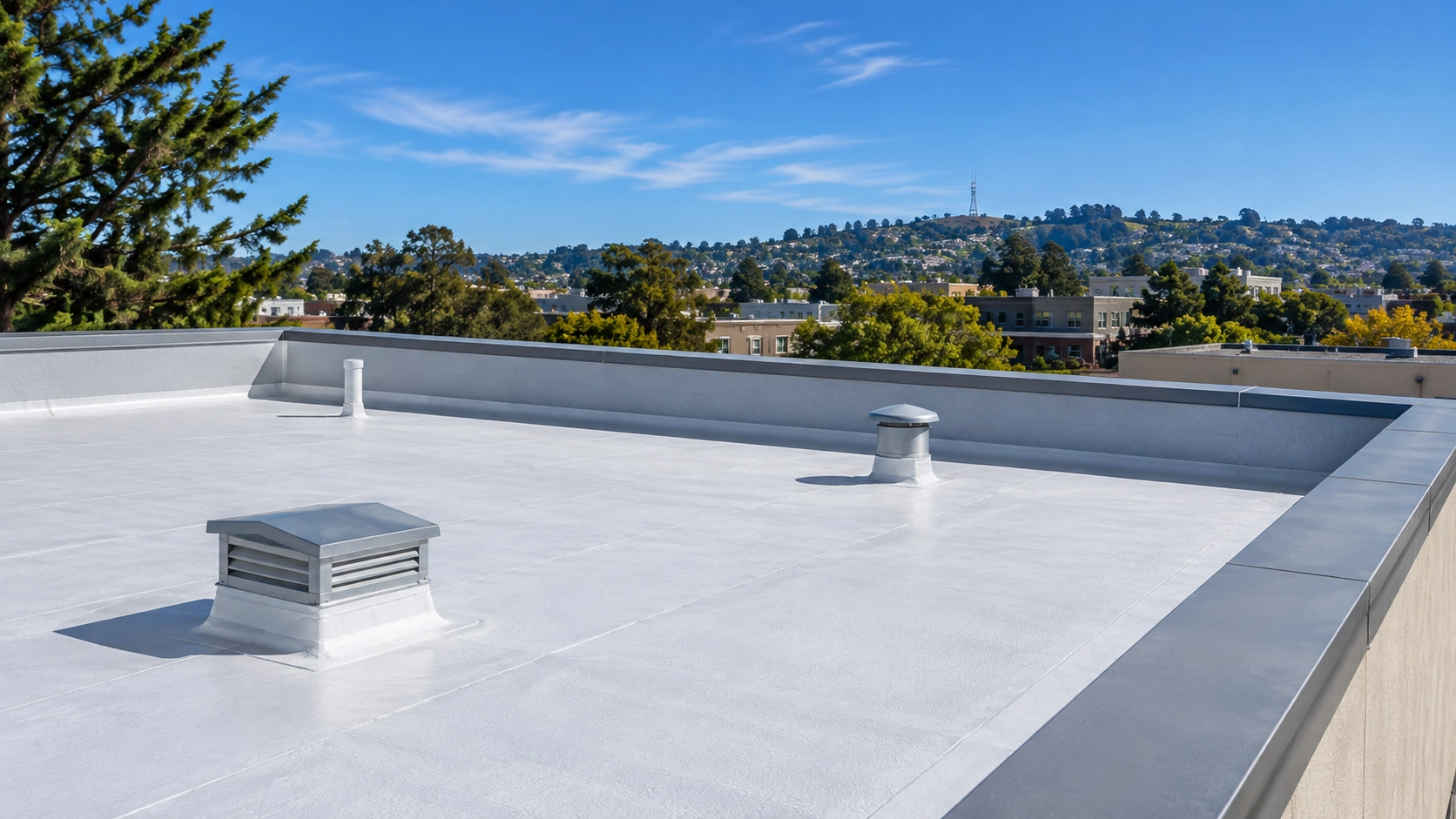
Oakland · Commercial roofing
Oakland Commercial Roofing Contractor: What Should a Commercial Roofing Estimate Include?
Compare commercial roofing estimates in Oakland. Learn what the assessment, work boundaries, allowances, access plan and warranty documents should explain.
Read the guide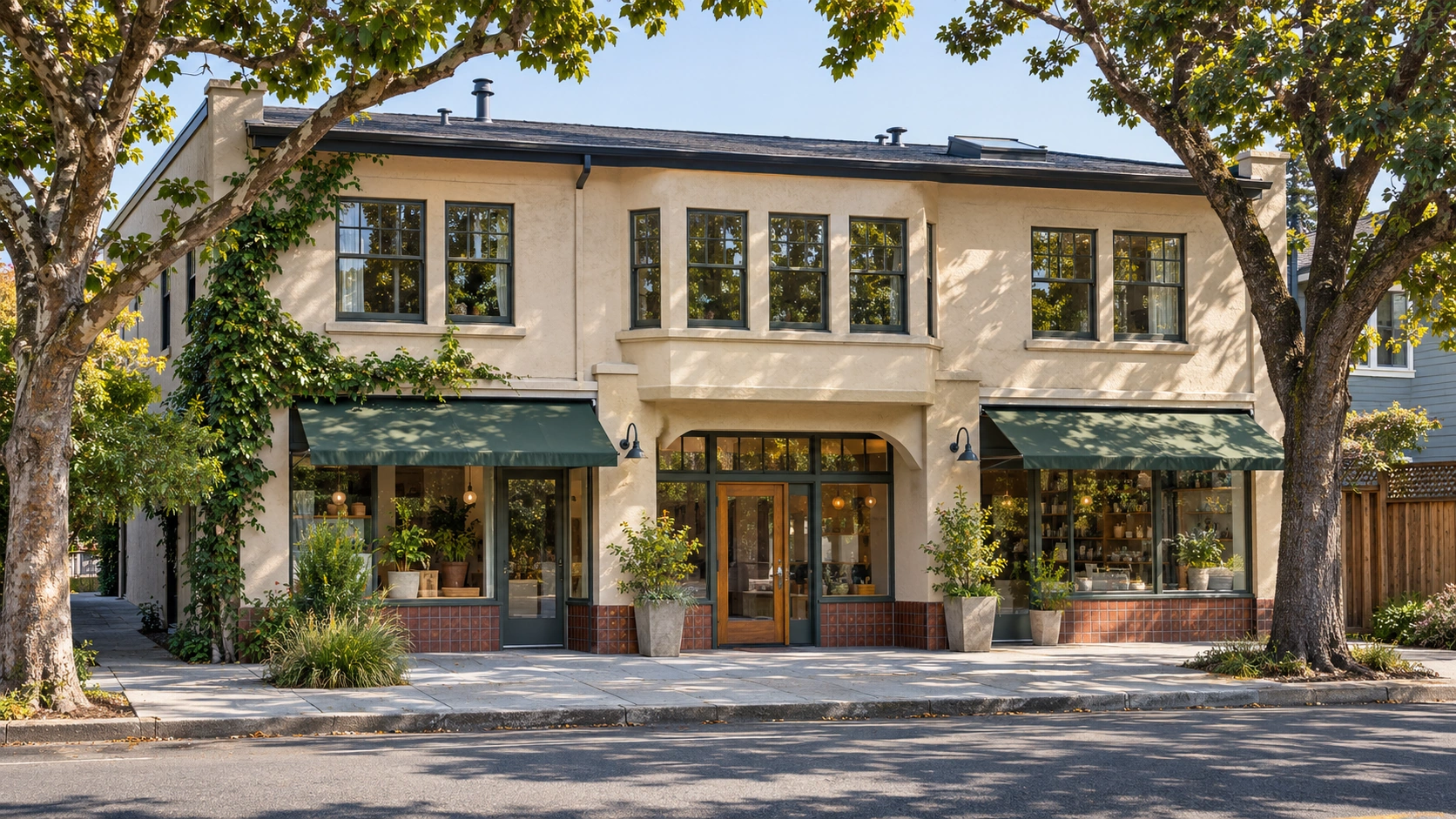
Berkeley · Commercial roofing
Berkeley Commercial Roofing Contractor: How Can Roof Work Be Planned Around Tenants and Business Hours?
Plan commercial roofing around Berkeley tenants and business operations. Prepare access details, communication responsibilities and realistic scheduling questions.
Read the guide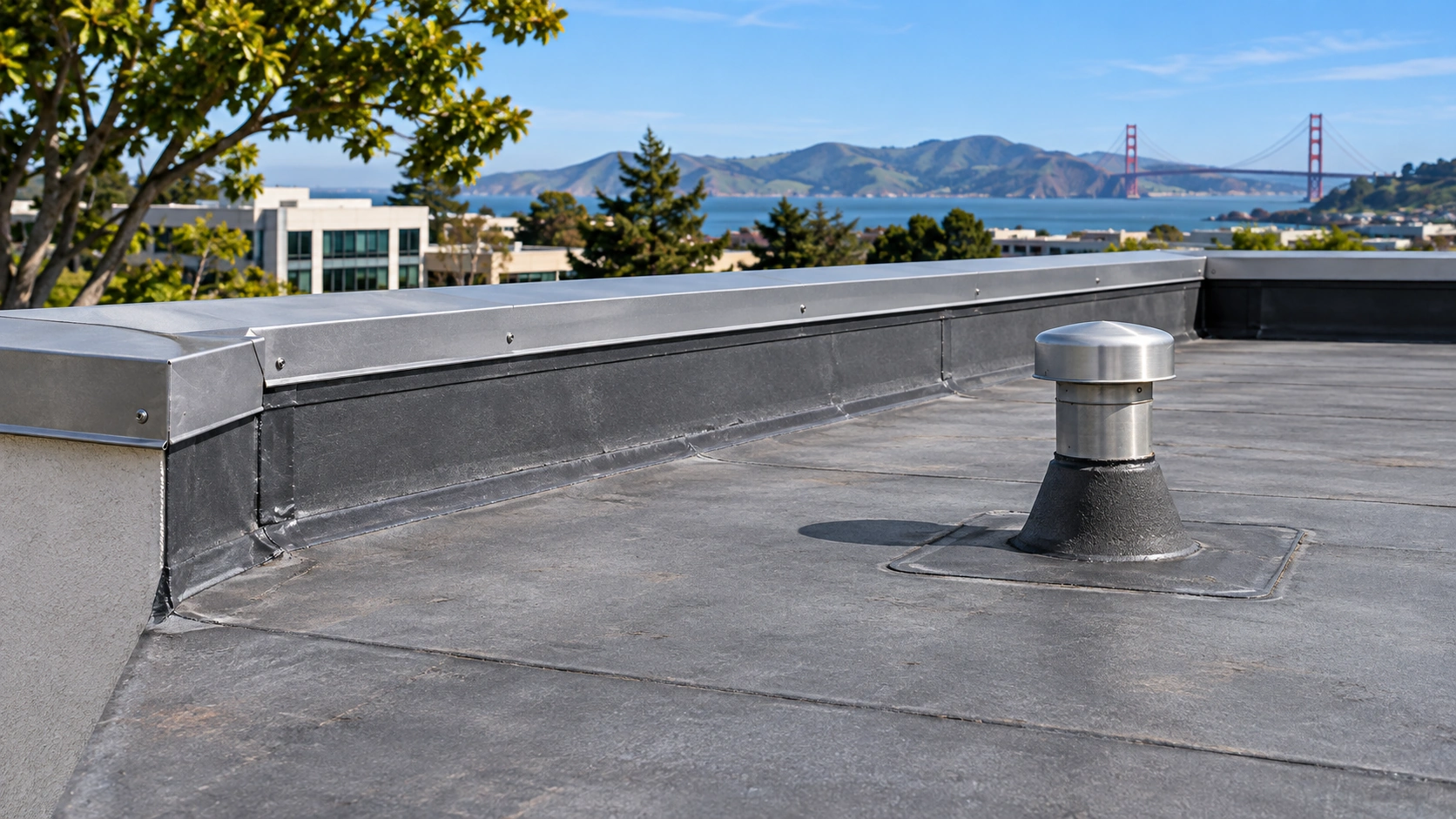
East Bay · Commercial roofing
East Bay Commercial Roof Maintenance: What Should Property Managers Check Before Small Problems Become Leaks?
Organize commercial roof maintenance in the East Bay. Learn what a useful report should document and how property managers can prioritize follow-up work.
Read the guide